
Technical notes
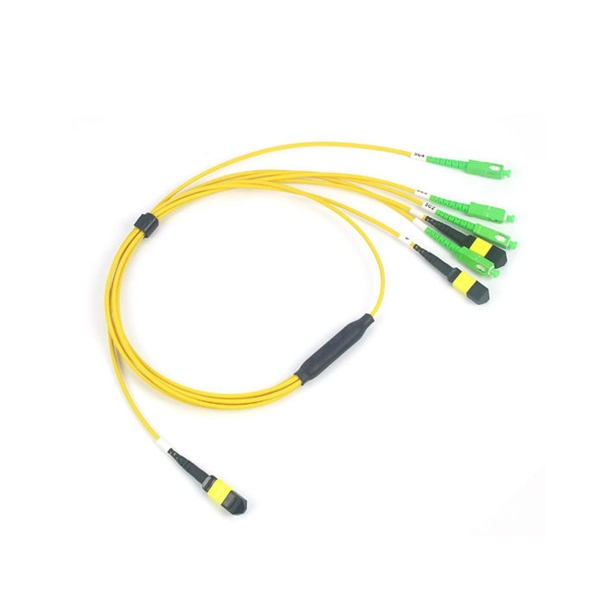
Singlemode vs Multimode Fiber Differences
Singlemode (SM) and multimode (MM) fiber optic cables are two core fiber types distinguished by core diameter, light propagation mode structure,
Fiber Optic Cable Types Explained
Learn all about the differences between single mode and multimode cables, as well as the various fiber wavelengths and standard core sizes used in fiber optics.
Fiber Optic Cable Types | Omnitron Systems Guide
Conclusion Understanding fiber optic cable types, fiber core sizes, and proper installation methods is essential for building high-speed, reliable fiber networks.
Singlemode vs Multimode Fiber Optic Cable
Multimode fiber optic cable allows multiple modes of light transmission simultaneously. It has a larger core diameter, typically 50 or 62.5
Single Mode vs Multimode Fiber, What is The
In this in-depth single mode vs. Multimode Fiber comparison, I will compare those two fiber optic cables, helping you learn the difference and
Multimode vs. Singlemode Fiber Optic Cables – Which is Right for You?
Learn the differences between multimode and single-mode fiber optic cables and find out which cable best suits your network requirements.
Single-Mode vs Multimode Fiber Optic Cables: A Comprehensive
Single Mode fiber features a narrow core (8.3 to 10 um) that allows only one mode of light to propagate. This eliminates Modal Dispersion, which is the primary factor that limits distance in optical
Fiber Optic Cable Types: Single Mode vs Multimode
The differences between single mode vs multimode fiber lie in the core diameter, wavelength, bandwidth, color sheath, distance, and cost. Read
Single Mode vs Multimode Fiber: A Complete
Understand the difference between fibers: single mode offers long-distance, high bandwidth, while multimode suits short runs and lower costs.
The Ultimate Fiber Optic Cable Size Reference Chart
Choosing the Right Fiber Size for Your Application Selecting the correct fiber optic size for your specific application is crucial to ensuring optimal
OS1, OS2 vs OM1-OM5 Fiber Cables: Differences, Speeds, and
Explore the differences between OS1, OS2 (single-mode) and OM1, OM2, OM3, OM4, OM5 (multimode) fibers. Learn their speeds, distances, and ideal uses for data centers and telecom
Multi-mode optical fiber
Multi-mode optical fiber is a type of optical fiber mostly used for communication over short distances, such as within a building or on a campus. Multi-mode links can
Fiber Optic Cable Buying Guide | Eaton
Core - At the center of a fiber optic cable is a thin glass tube called a core that transports light pulses generated by a laser or light emitting diode (LED).
Bulk Fiber Optic Cables for Internet | CableWholesale
On the other hand, multimode fiber optic cable has a larger core (usually 50 microns), which often equates to a lower-quality signal over long distances. You can use our multimode duplex fiber optic
Fiber-optic cable
A fiber-optic cable, also known as an optical-fiber cable, is an assembly similar to an electrical cable but containing one or more optical fibers that are used to carry
Fiber Optic Cable Pricing Guide: Factors That Affect
Multimode fiber (OM3/OM4) is common in data centers and short-reach applications, often requiring higher-grade cores and tighter tolerances. While
Fiber Optic Cable & Copper Wire Assemblies | ISO
LANshack offers premium fiber optic cable & copper wire assemblies. We have all the components to optimize & install your network!
Optical Cables & Fiber Optic Cables: Types, Structures & Selection
Compare indoor, outdoor, ADSS, OPGW and FTTH fiber optic cables. Learn which structure fits your distance, environment and core count before you buy.
Related Video Reference
This video was associated with the source search result. Verify technical details against current product documentation and project requirements.