Skip to content
QK FIBERSystems Send a project enquiry
Reference library

Aggregation Switch Managed Switch

Published
  • Aggregation
  • Switch
  • Managed
Source context

AI source overview

An aggregation switch consolidates traffic from multiple access switches to the core network, while a managed switch provides advanced control, monitoring, and configuration for network traffic.

Aggregation Switch Overview

An aggregation switch acts as an intermediary between access switches and core switches, consolidating traffic from multiple devices such as access switches, wireless access points, or servers, and forwarding it efficiently to the core layer. These switches typically operate at Layer 2 or Layer 3, supporting routing, VLAN segmentation, and link aggregation protocols like LACP to combine multiple physical links into a single logical connection for higher bandwidth and redundancy. Aggregation switches are widely used in enterprise backbones, data centers, and large campus networks to optimize traffic flow, reduce bottlenecks, and ensure failover capability.

Key features include: Traffic consolidation and forwarding: Efficiently aggregates data from multiple access switches. Redundancy and failover: Maintains network functionality during link failures. Quality of Service (QoS): Prioritizes critical traffic like voice or video.

Security and filtering: Implements ACLs and user-based policies. High-speed uplinks: Supports 1G, 2. 5G, 10G, or higher connections for scalable performance.

Managed Switch Overview

A managed switch provides full control over network traffic, allowing administrators to configure, monitor, and optimize the network. Managed switches support features such as: VLANs for traffic segmentationQoS for prioritizing critical applicationsSNMP for network monitoringLink aggregation for bandwidth enhancementRedundant power and failover mechanisms for reliability Managed switches can be deployed at the access, aggregation, or core layers, depending on network design. They are essential for networks requiring high performance, security, and centralized management.

Key DifferencesFeatureAggregation SwitchManaged SwitchPrimary RoleConsolidates traffic from access switches to coreProvides control, monitoring, and configuration of network trafficLayerLayer 2/3Layer 2/3 (depending on model)FocusBandwidth optimization, redundancy, failoverNetwork management, security, traffic prioritizationDeploymentBetween access and core layersAccess, aggregation, or core layersProtocol SupportLACP, VLAN, QoS, routingVLAN, QoS, SNMP, ACLs, link aggregationUse CasesEnterprise networks: Aggregation switches connect multiple access switches to the core, while managed switches allow administrators to configure VLANs, QoS, and security policies.

Data centers: Aggregation switches handle high-volume traffic between server racks and core switches; managed switches provide monitoring and control. Industrial networks: Rugged aggregation switches with managed capabilities ensure reliable communication in harsh environments, supporting automation, surveillance, and IoT infrastructure. In summary, aggregation switches focus on traffic consolidation and high-speed connectivity, whereas managed switches emphasize control, monitoring, and network optimization.

Many modern aggregation switches are also managed, combining both functionalities for scalable, reliable, and secure network architectures.

Research context

Reference summary

What Is an Aggregation Switch and How to Choose? Discover the role of aggregation switches. Explore differences between aggregation, access, and core switch.

From reference to enquiry

Questions for your project

Use these editorial prompts alongside the linked excerpts. They identify items to confirm for your project.

Technical notes

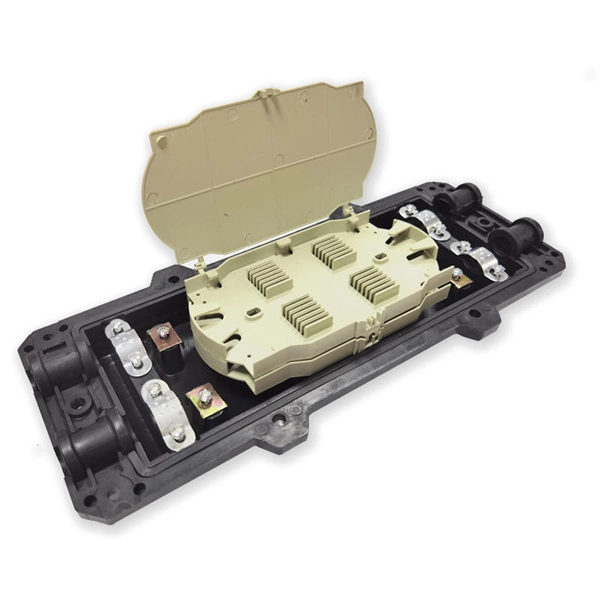
Illustrative equipment image

What Is an Aggregation Switch and How to Choose?

Discover the role of aggregation switches. Explore differences between aggregation, access, and core switches, and choose the right model for

What is an Aggregate Switch?

An aggregate switch is a high-capacity network switch that consolidates connections from multiple access switches, acting as a central point for managing network traffic and providing

Stackable Aggregation Managed Switches

Provides 1G, 2.5G, and 10G speeds for flexible customization, ensuring optimal performance, compatibility, and scalability. Flexible interface options like copper,

Aggregation Switch | D-Link

Provides advanced Security ACLs for improved security, traffic control, and QoS, ensuring efficient and optimized networking.

Switch Enterprise Campus Aggregation

1.8 Tbps high-density 100G/25G Layer 3 Etherlighting™ aggregation switch with MC-LAG support for high availability system design.

What is Switch Aggregation, Its Role and Selection Advice

When a Layer 2 switch is used as the aggregation switch, routing and management policies are determined by the core switch rather than the aggregation switch. This article wraps up

Core, Aggregation, or Access Switches? Choose the

Discover the crucial differences between core, aggregation, and access switches. Find out which type can best transform your network''s

Aggregation Network Switches | Grandstream Networks

Layer 3 aggregation switches that allow enterprises to build scalable, secure, high performance and smart business networks that are fully manageable and

Aggregation Switches | Managed Core Network

High-performance aggregation switches designed for industrial and FTTH networks. Support Layer 2/3 management, Gigabit and 10G uplinks, redundant power,

Configuring Aggregation and Access Switches to Be Managed by the

Configuring Aggregation and Access Switches to Be Managed by the Controller Configuration Roadmap Aggregation and access devices downstream to the core layer can

What is an Aggregation Switch? | Features and Practical Benefits

To manage all traffic from access layer devices, fewer interfaces, and faster switching rates, aggregation switches need more performance than access layer switches.

What is an Aggregation Switch?

The aggregation switch is located in the middle of the network architecture, which is equivalent to a middle-level manager of a company. It

Ubiquiti UniFiSwitch Aggregation Rackmount 10G Managed Switch ab

Ubiquiti UniFiSwitch Aggregation Rackmount 10G Managed Switch, 8x SFP+ USW-Aggregation 4.2 / 4 Bewertungen Info beim Hersteller

Was sind Link-Aggregationsgruppen (LAGs) und wie arbeiten sie mit

Was sind Link-Aggregationsgruppen (LAGs) und wie arbeiten sie mit meinem Managed Switch zusammen? Mit der Link-Aggregation kann der Switch mehrere physische Verbindungen zwischen

How To Set Up Switch Link Aggregation

Managed switches provide many advantages for a growing network, including support for VLANs, QoS, and Trunking. I touched on simple VLAN configuration a while back. In this article, I''m going to

Managed vs Unmanaged vs Smart Switch: What Are the Differences?

Discover the key differences between managed, unmanaged, and smart switches. Learn how to choose the right switch for your network based on features, control, and scalability.

Some more advanced features to enable on your managed switch

Not everyone needs a managed switch Managed switches are great for playing around with, activating advanced features, and building out a powerful home network, but they''re not for

In-depth analysis: What is an aggregation switch?

In many network constructions, we have all heard of switches. So do you really understand switches? Why are aggregation switches often overlooked? What is an aggregation

Related Video Reference

This video was associated with the source search result. Verify technical details against current product documentation and project requirements.

Share your network requirements

Share the fiber interfaces, termination capacity, cable route and evidence required for handover.

Send a project brief