
Technical notes
The role and working principle of fiber optic couplers
Optical fiber coupler (Coupler), also known as splitter (Splitter), connector, adapter, flange, is an electrical-optical-electrical conversion device that transmits electrical signals with light as a
Fiber-optic splitter
OverviewTypesSplitting ratio principleAdvantages and disadvantagesSee also
A fiber-optic splitter, also known as a beam splitter, is based on a quartz substrate of an integrated waveguide optical power distribution device, similar to a coaxial cable transmission system. The optical network system uses an optical signal coupled to the branch distribution. The fiber optic splitter is one of the most important passive devices in the optical fiber link. It is an optical fiber tandem device with many input and output terminals, especially applicable to a passive optical network (EPON, GPON, BPON, FTTX
Fiber Optic Splitter: How It Works & Types Guide
This guide demystifies fiber optic splitters, explaining their design, operating principles, types, key specifications, and real-world applications.
What is Fiber Optic Splitter and Types
This post provides a introduction to fiber optic splitters, their types, functions, and several popular Gcabling optical PLC splitters.
What Is an Optical Splitter?
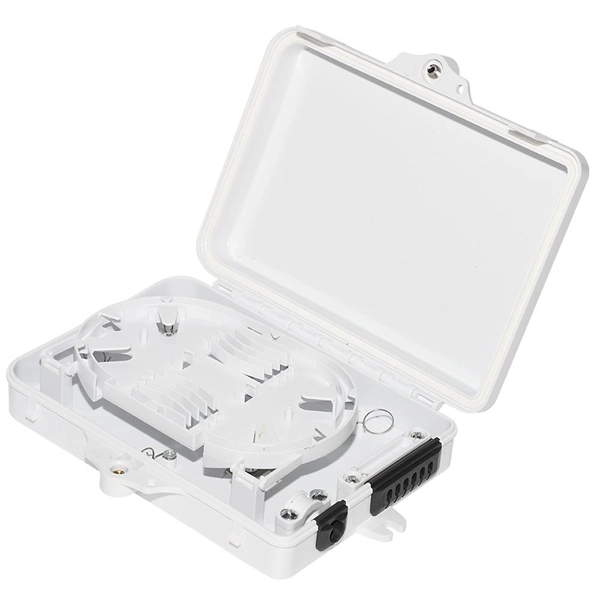
The optical splitter can be terminated with different forms of connectors, and the primary package could be box type or stainless tube type.
What is the difference between a Splitter Distribution
ODF, Splitter Distribution Box, and Fiber Terminal Box are not interchangeable, but complementary components of an FTTH network. ODF
FTTH Components and General Architecture
As the incoming optical power is split in several branches, the splitter insertion loss is high and the optical power available in each branch is
Comprehensive Guide to Optical Splitters
An optical splitter is a crucial passive fiber optic device that splits and combines optical signals. It can distribute the optical energy transmitted through
Basic knowledge of optical fiber jumper, flange, terminal
In general, shortwave optical modules use multimode optical fiber (orange optical fiber), and long-wave optical modules use single-mode optical
Related Video Reference
This video was associated with the source search result. Verify technical details against current product documentation and project requirements.