
Technical notes
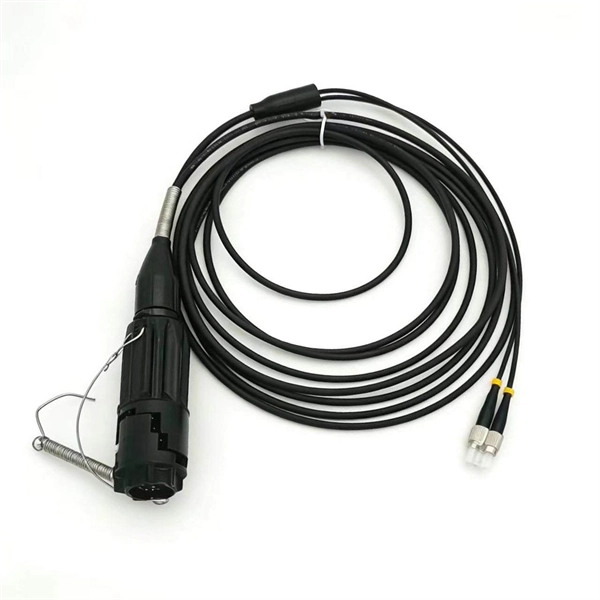
Switching fiber optic cables from round to rectangular
Rectangular fiber optic cables could increase data transfer rates, benefiting telecommunications and quantum computing advancements. Optical
Switching fiber optic cables from round to rectangular shown to
In a recent study, Henry Hammer and Ravitej Uppu from the University of Iowa discovered that an alternative fiber geometry — rectangular rather than the conventional circular
Switching fiber optic cables from round to rectangular shown to
Rectilinear-core fibers are ideal for this purpose because their rectangular geometry naturally matches photonic chip architectures while providing the high channel capacity benefits.
TAA-compliant fiber optic network cables
TAA-compliant fiber optic network cables the federal Trade Agreements Act (TAA). These TAA-compliant fiber cables are eligible for General Services Administration (GSA) Schedule contracts,
Fiber Optic Cable Types: A Complete Guide
Fiber optic cables use light to transmit data, whereas traditional cables rely on electrical signals, which are more prone to interference and loss over
Rugged Rectangular Fiber Connectors in Fiber Optics | TE Connectivity
Discover a complete line of rugged rectangular fiber connectors. Browse the full rugged rectangular fiber connector product catalog and industry applications.
Fiber Optic Connector Types: A Beginners Guide
Both fiber connector types work with single mode and multimode cables – the ferrule is slightly angled on single mode cables – though they see the most usage in high bandwidth
Types of Fibre Optic Cable: A Comprehensive Guide
Learn about single-mode and multi-mode fiber optic cables, their components, uses, and how to choose the right type for your network needs.
Fiber optic cable types and selection guide
Fiber optic cables are broadly divided into two types: "single mode" and "multimode" based on their characteristics. Each mode has a different way
Fiber Optic Cables | Cable Assemblies | DigiKey
Shop DigiKey''s large in-stock selection of Fiber Optic Cables. View inventory, pricing and order now for same day shipping!
Fiber Optic Cable Types – Multimode and Single Mode
Fiber Optic Cable Types – Multimode and Single Mode Application Fiber Optic connectors and cables are present in nearly every communications
Fiber-optic cable
A fiber-optic cable, also known as an optical-fiber cable, is an assembly similar to an electrical cable but containing one or more optical fibers that are used to carry
Fiber Optic Cable Buying Guide
Fiber Optic Cable Buying Guide Understand how to choose fiber optic cable by comparing single‑mode vs. multimode, network speed and distance needs,
Fiber Optic Basics
Fiber Optic Basics Optical fibers are circular dielectric wave-guides that can transport optical energy and information. They have a central core surrounded by a concentric cladding with slightly lower (by ≈
Fiber Optic Cable Types | Omnitron Systems Guide
Explore fiber optic cable types, features, and applications. Omnitron Systems explains single-mode, multi-mode, and specialty fiber solutions.
Fiber Optic Cable Types Explained
Our comprehensive guide to types of fiber optic cables. Learn all about the differences between single mode and multimode cables, as well as the various fiber wavelengths and standard core sizes used
Basics of Fiber Optics
Lower loss: Optical fiber has lower attenuation (loss of signal intensity) than copper conductors, allowing longer cable runs and fewer repeaters. No sparks or shorts: Fiber optics do not emit sparks or cause
Fiber Optic Cable Types: Comprehensive Guide
Explore the different types of fiber optic cables and understand which type suits your specific needs for speed, distance, and durability.