
Basic Principles Of Electronic Exchanges
Search optical fiber, connectivity, cable management and network infrastructure references.
- Basic
- Principles
- Electronic
Articles and technical references
9 on this page-

Basic Principles of Fiber Bragg Grating Method
A fiber Bragg grating (FBG) is a type of constructed in a short segment of that reflects particular of light and transmits all others. This is achieved by creating a periodic variation in the of the fiber core, which generates a wavelength-specific. Hence a fiber Bragg...
-
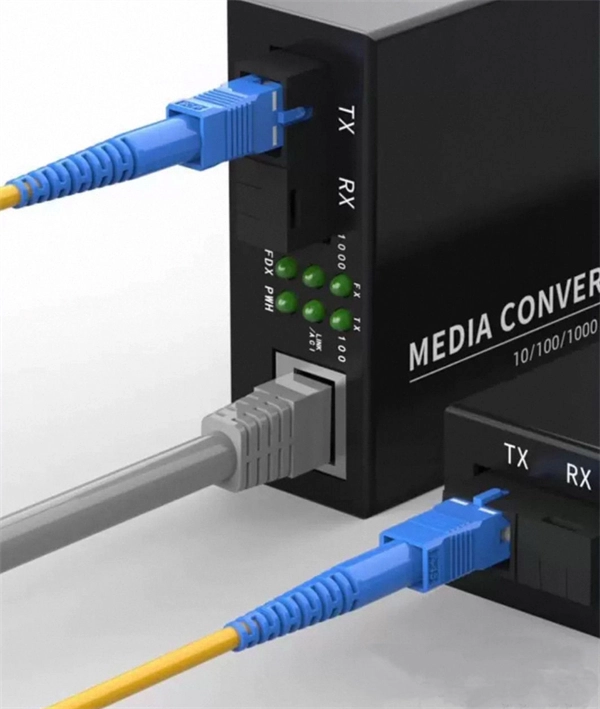
Relay Protection Operation Principles
Electromechanical protective relays operate by either, or. Unlike switching type electromechanical with fixed and usually ill-defined operating voltage thresholds and operating times, protective relays have well-established, selectable, and adjustable time and current (or...
-

Principles of Beam Splitters and Wavelength Division Multiplexing
In fiber-optic communications, wavelength-division multiplexing (WDM) is a technology which multiplexes a number of optical carrier signals onto a single optical fiber by using different wavelengths (i.e., colors) of laser light. This technique enables bidirectional...
[PDF Version]
-
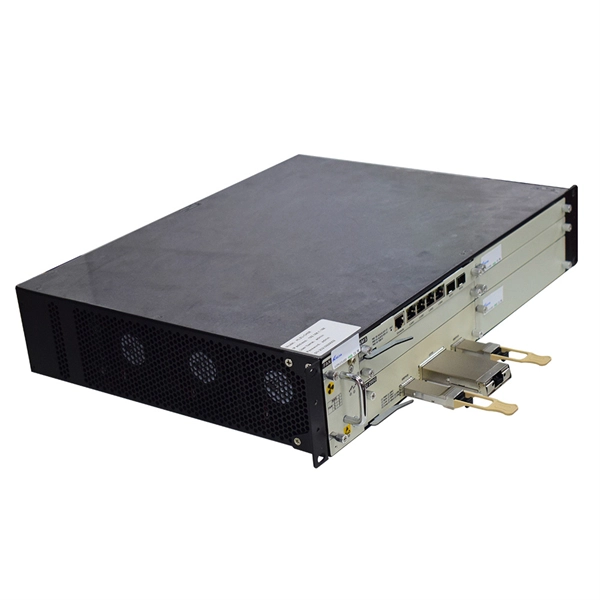
What is a photosensitive electronic module
Light-sensitive devices, sometimes called photoelectric transducers, alter their electrical characteristics in the presence of visible or infrared light. Photocells are also called by many other names including photoconductive cells, light-dependent resistors (LDR's), and...
[PDF Version]
-

Relay Protection Principles Advanced Vocational Education
Also principles of various protective relays and schemes including special protection schemes like differential, restricted, directional and distance relays are explained with sketches.
-

Fiber Optic Communication Principles and Data Processing
Optical Fiber Communication (OFC) revolutionizes modern telecommunications, enabling rapid data transfer across long distances with minimal signal loss. This comprehensive review explores OFC's historical evolution, core principles, components, and versatile applications...
[PDF Version]
-
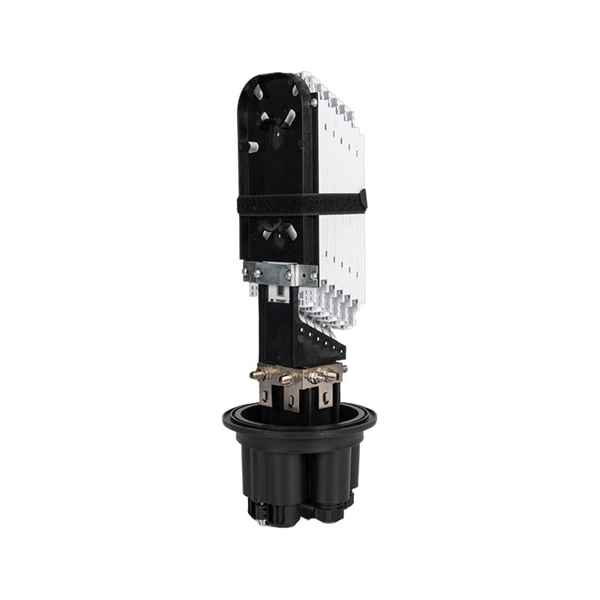
What type of electronic component does an optical module belong to
An optical module is a typically hot-pluggable optical transceiver used in high-bandwidth data communications applications. Optical modules typically have an electrical interface on the side that connects to the inside of the system and an optical interface on the side that...
-
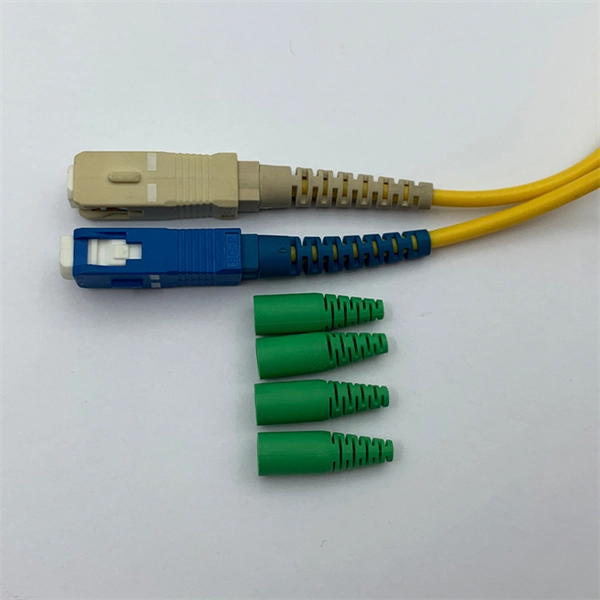
Basic Indicators of Optical Fiber Communication
To meet demand of increase in the telecommunication data transmission. Optical Signal-to-Noise Ratio (OSNR) is a critical performance metric in fiber optic networks, serving as a strong indicator of signal quality. Essentially, OSNR measures the power ratio between the...
[PDF Version]
-
Basic Current Protection of Relays
Electromechanical relays can be classified into several different types as follows: "Armature"-type relays have a pivoted lever supported on a hinge or knife-edge pivot, which carries a moving contact. These relays may work on either alternating or direct current, but for...