
Basic Understanding On Tap Ratio For Splitter Coupler
Search optical fiber, connectivity, cable management and network infrastructure references.
- Basic
- Understanding
- Ratio
Articles and technical references
7 on this page-

Basic Principles of Fiber Bragg Grating Method
A fiber Bragg grating (FBG) is a type of constructed in a short segment of that reflects particular of light and transmits all others. This is achieved by creating a periodic variation in the of the fiber core, which generates a wavelength-specific. Hence a fiber Bragg...
-
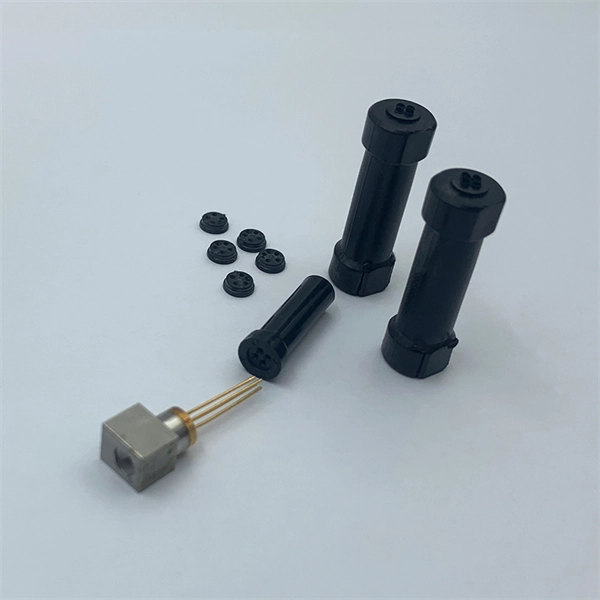
What is the beam splitting ratio of a primary optical transceiver
The split ratio of light transmittance and reflectance is 1:1 and is called a half mirror. Good fit for large beam size applications at a reasonable price. Advantages are: minimal. By dividing a single optical signal from a central Optical Line Terminal (OLT) into multiple...
[PDF Version]
-
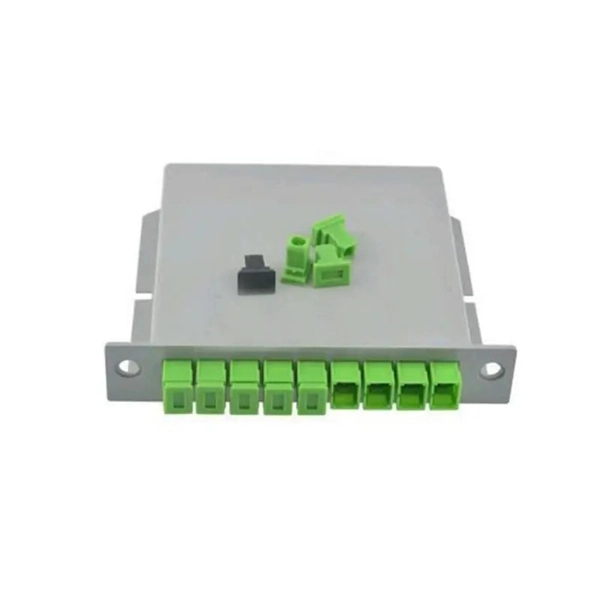
Fiber optic communication drop line tap
Portable, Multimode passive Fiber TAPs that are non-powered and make a full copy of network data without affecting network traffic. Designed for short-range connectivity. Fiber tapping is a network tap method that extracts signal from an optical fiber without breaking the...
[PDF Version]
-
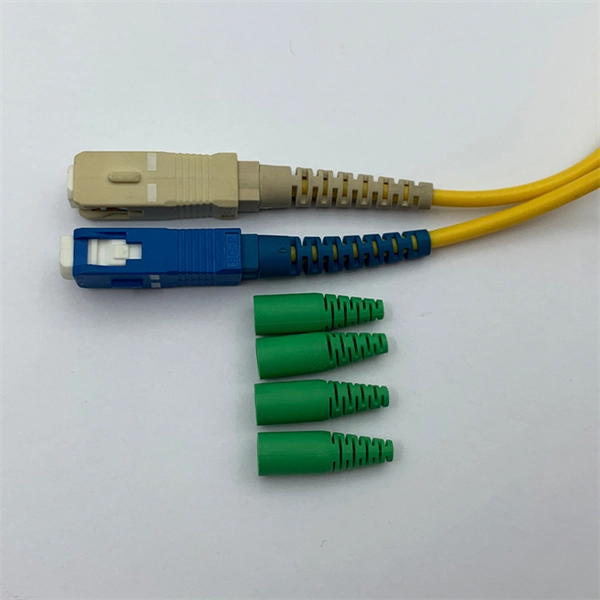
Basic Indicators of Optical Fiber Communication
To meet demand of increase in the telecommunication data transmission. Optical Signal-to-Noise Ratio (OSNR) is a critical performance metric in fiber optic networks, serving as a strong indicator of signal quality. Essentially, OSNR measures the power ratio between the...
[PDF Version]
-
Basic Current Protection of Relays
Electromechanical relays can be classified into several different types as follows: "Armature"-type relays have a pivoted lever supported on a hinge or knife-edge pivot, which carries a moving contact. These relays may work on either alternating or direct current, but for...
-
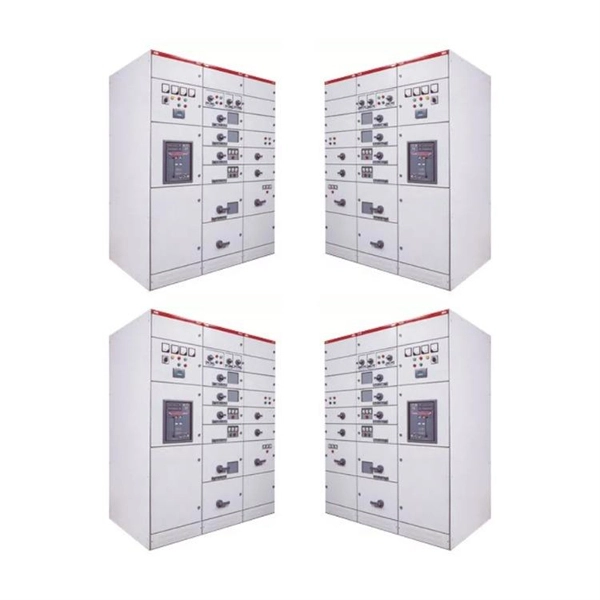
Cable tray loss ratio standard
Standard NEC (National Electrical Code) Rule: Generally, you should not exceed a 40% to 50% fill ratio for control and signal cables. Our calculator uses a visual “Limit Marker” to help you stay within this safe zone. A cable tray is the physical highway for the data and...
[PDF Version]
-
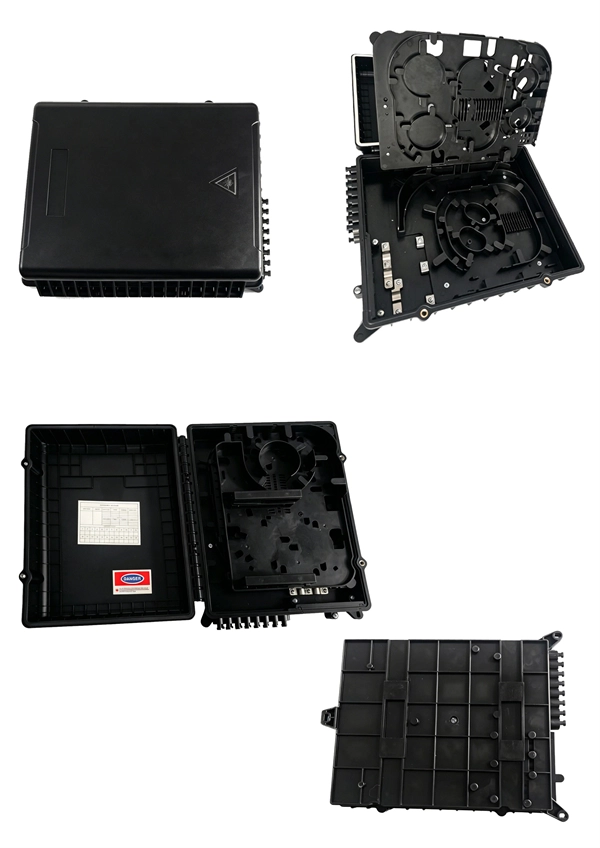
Understanding and Views on Relay Protection
The objective of relay protection is to quickly isolate a faulty section from both ends so that the rest of the system can function satisfactorily. The functional requirements of the relay:.