
Technical notes
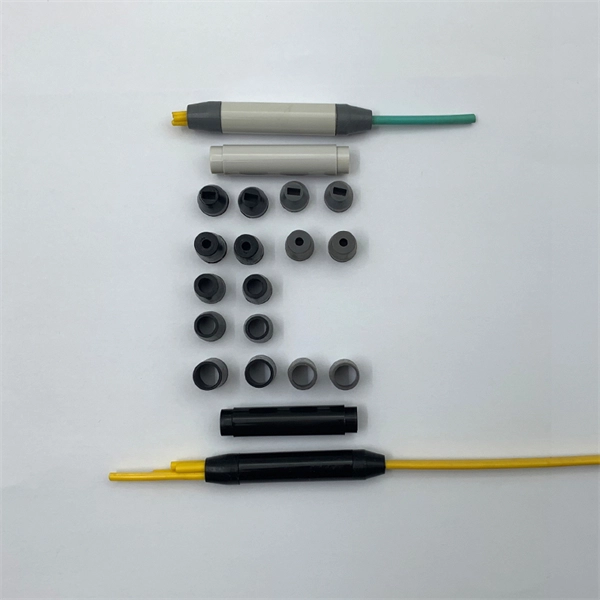
Factors affecting fiber splice loss and how to reduce it
Fiber splice loss is caused by core mismatch, contamination, and misalignment. Reduce loss with proper cleaning, alignment, and splicing techniques.
Why Fiber Splicing Fails — And How to Fix It. A Practical
In this edition of our LinkedIn Newsletter, we break down the four biggest reasons fiber splicing fails and how you can fix them instantly.
Troubleshooting Common Fiber Splice Issues
Struggling with fiber optic splicing problems? Learn how to troubleshoot common fiber splice issues, including insertion loss, reflectance, and alignment errors.
Optical Fiber Splicing: The Complete Technical Guide to Methods
This guide breaks down the fundamentals of optical fiber splicing, compares fusion and mechanical techniques, explains factors that influence splice loss, and outlines best practices for protection and
An Overview of Splicing Techniques: Pros and Cons of Different
Choosing the right method affects performance, cost, and long-term durability. In this blog, we''ll explore the main types of fiber optic splicing techniques, their advantages, limitations, and how
Fiber Optic Troubleshooting Guide: Problems, Tools & Solutions
This guide offers practical steps to troubleshoot fiber optic cable issues, covering common problems, key tools, and preventive measures to ensure stable performance.
What are the most common fiber optics problems?
Fiber optic loss is a concern during connector and cable selection and installation. This article discusses the common issues experienced in fiber optic performance.
The Evolving Challenges of Fiber Splicing: Inside and Out
With fiber networks expanding and technology advancing, the challenges of splicing are evolving, making experience and skill more critical than ever. At Cable Comm, we''ve tackled every type of
5 Challenges You May Face When You Splice Fibre
However, the process of splicing fibre optic cables, which is fundamental to building FTTH networks, presents its own set of challenges. This
Fiber Optic Splicing: A Beginner''s Guide – VCELINK
Fiber optic splicing joins two fiber optic cables end to end seamlessly to create a continuous path for light signal, including mechanical and fusion splicing.
Fiber Optic Splicing Types, Methods, and Applications
Fiber optic splicing plays a vital role in modern communication networks by enabling seamless connections between fiber optic cables. This technique ensures high
Mastering Fiber Optic Splicing: Essential Tips and
The growing telecommunications needs are supported by fiber optic splicing, as fiber optic cables replace coaxial cables for high-speed internet.
7 Common Issues Requiring Professional Fibre Optic Cable Repairs
Fibre optic cable repairs are crucial when dealing with physical damage, signal loss, and connector problems. This article outlines seven common issues that require professional fiber optic
The Ultimate Guide to Splicing of Fiber: Techniques and Tips
Looking to understand fiber splicing? It''s the process of joining two fiber optic cables using techniques such as fusion splicing and mechanical splicing, crucial for maintaining
Splicing Fiber Optic Cables | A Beginner''s Guide
Fiber splicing is a vital technique in cable maintenance. Knowing how to splice fiber optic cables is key for data communications with superior performance.
Fibre Splicing Explained: What It Is and Why It Matters
Discover what fibre splicing is, why it''s critical for network performance, and how Total Fibre & Data provides expert fibre and copper
Fiber Splicing Methods and Protection with Splice Closures
Fiber optic cable splicing is the process of joining two fibers end-to-end to create a continuous optical path. In PON and FTTx networks (e.g., FTTH, FTTP, FTTM), splicing is essential
Mastering the Art of Splicing Fiber Optic Cables: Expert
Master the essential skill of splicing fiber optic cables with our expert guide. Learn the fusion splice technique for seamless data transmission and
Related Video Reference
This video was associated with the source search result. Verify technical details against current product documentation and project requirements.