
What is the purpose of a busbar?
The purpose of a busbar is for collecting electric power from an incoming feeder and distributing that power to outgoing tap-offs. The first and fo...
Search optical fiber, connectivity, cable management and network infrastructure references.
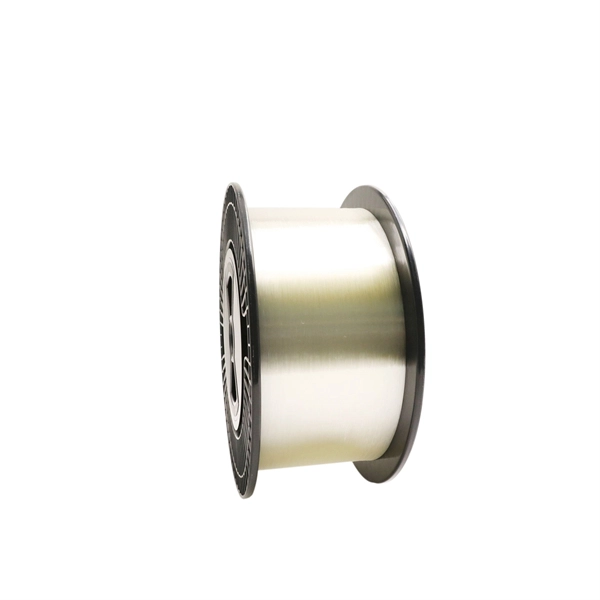
Clamped joints are formed by overlapping the bars and applying an external clamp around the overlap. Since there are no bolt holes, the current flow is not disturbed resulting in lower joint resistance. The.
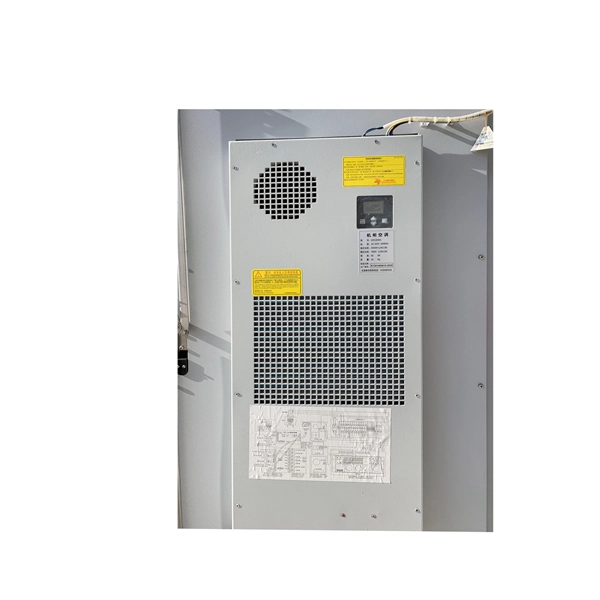
This report consolidates design guidance and calculation procedures for bolted joints in copper busbar systems, providing essential insights into how to optimize busbar connections for electrical efficiency and reliability. Efficient joints in copper busbar conductors can be...
[PDF Version]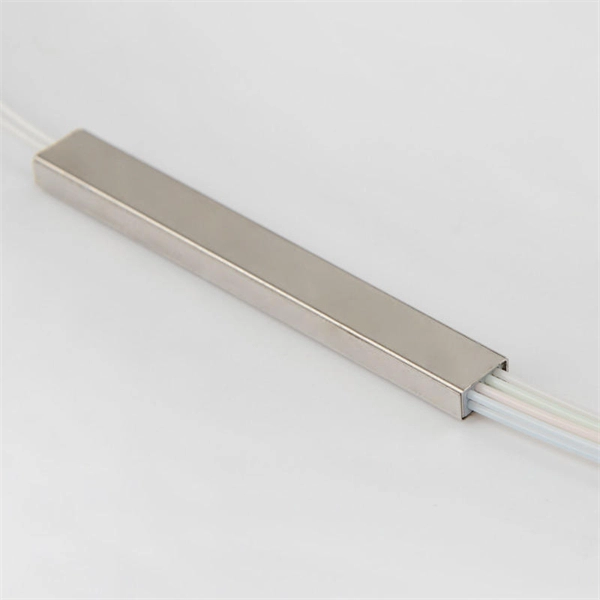
Bespoke Busbar Systems In partnership with the leading manufacturers of IP55 & IP68 Cast Resin Busbar Systems, we are able to offer a complete solution for.
[PDF Version]The purpose of a busbar is for collecting electric power from an incoming feeder and distributing that power to outgoing tap-offs. The first and fo...
In an electrical panel, a busbar is a rigid conductor used for connecting together several circuits. Busbars in electrical panels are usually made...
A busbar is an element you will find housed inside switchgear, panel boards and busway enclosures for local high-current power distribution. When p...
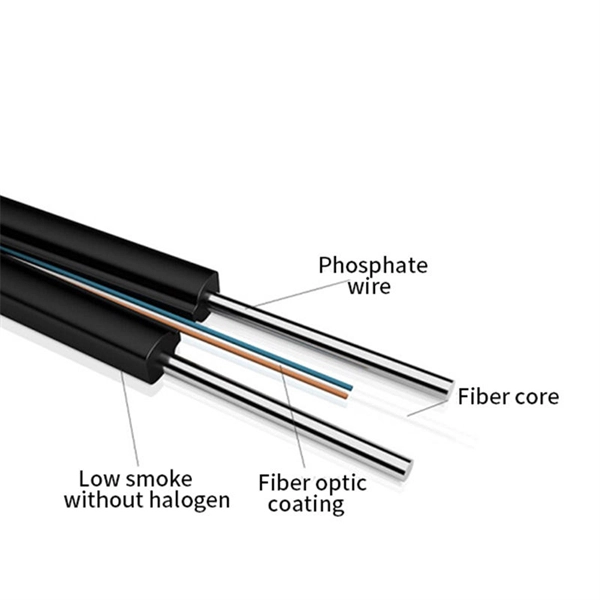
Busway and Cable Tray Installation It involves calculating angles and bends as well as measuring and cutting cable trays prior to overhead installation. Be.
[PDF Version]
Busbar Calculator — Current Rating, Temperature Rise, IEC 61439Busbar sizing calculator for copper and aluminum per IEC 61439. Current rating, temperature.
[PDF Version]
Fiber Optic Tool Kits The fiber optic installer needs a complete set of fiber optic tools and test equipment, plus supplies used in pulling cables, splicing and terminating them, then testing and troubleshooting the installation. Unlike copper cabling, optical fiber requires...
For busbar sizing, the primary references are IEC 61439 (for low-voltage switchgear and controlgear assemblies) and IEC 60287 (for current-carrying capacity of cables). Behind every reliable low voltage switchgear lineup is a design balance that is harder than it first...
[PDF Version]Share the fiber interfaces, termination capacity, cable route and evidence required for handover.