
Cable Tray Cover Types Designs Materials And Selection
Search optical fiber, connectivity, cable management and network infrastructure references.
- Cable
- Tray
- Cover
Articles and technical references
7 on this page-

Methods for fixing cable tray cover plates with bolts
The fittings can fastened to the cable tray rail either with double clamps of type DOP A2 or with truss-head bolts of type FRS and combination nuts. The exceptions to this are vertical bends, adjustable bend elements and fittings with a side height of 35 mm. Each method has...
[PDF Version]
-

Installation of stepped cable tray cover plates
Inspect tray covers for proper installation to protect against dust, water ingress, and mechanical impact. Check for smooth transitions at tray bends using factory-fitted components to prevent cable. Article Summary: A compliant cable tray installation requires a thorough...
[PDF Version]
-
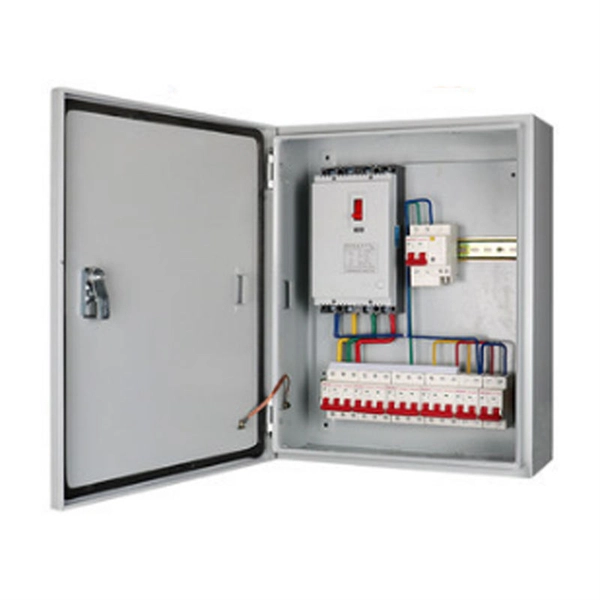
Cable tray engineering auxiliary materials
Here are the most common materials: Galvanized Steel – Provides high corrosion resistance and durability. Stainless Steel – Ideal for harsh environments with chemical exposure. Aluminum – Lightweight, rust-resistant, and easy to install. 4401 (ASTM Grade 316) shall also be...
[PDF Version]
-
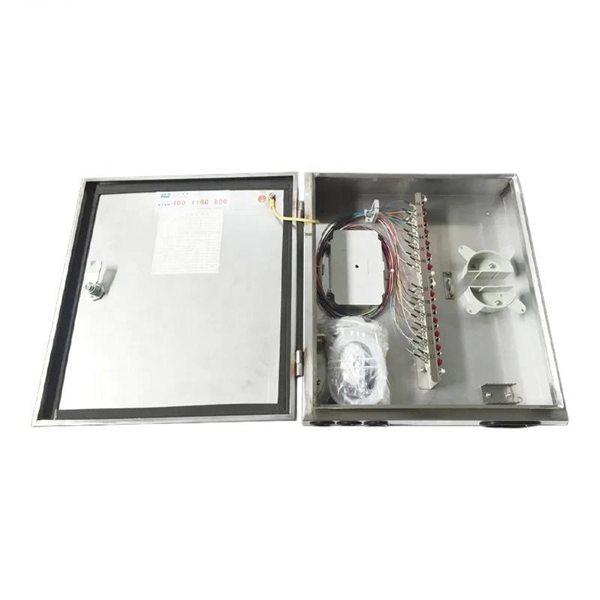
Thermal Control Cable Tray Materials
The cable trays consist of a thin metallic plate and electro-welded steel rods. Their construction is based on the international standard IEC 61537, which specifies the requirements for cable tray systems, tests, and specifications. association representing the major...
[PDF Version]
-
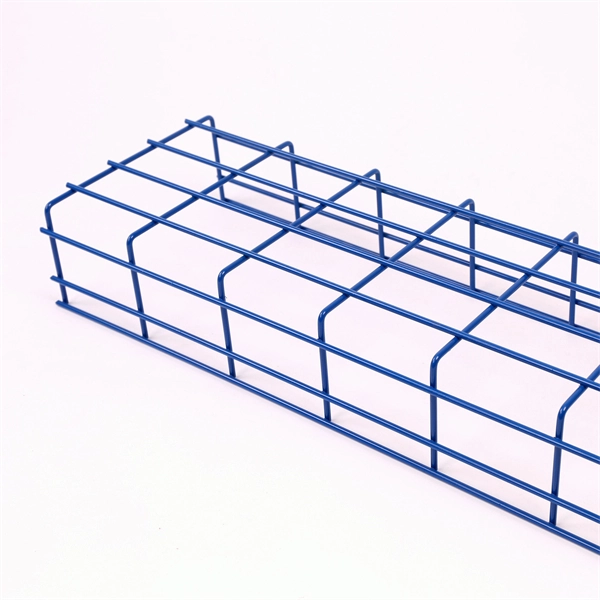
Does the cable tray not have a cover
Due to their exposure to the open air because of the cable trays, the wires contained within need a very durable outer covering. The regulations dictate that the cables must either be Type TC (also known as Tray Rated) or must be metal-armored (Type MC). A rung spacing of 6...
[PDF Version]
-
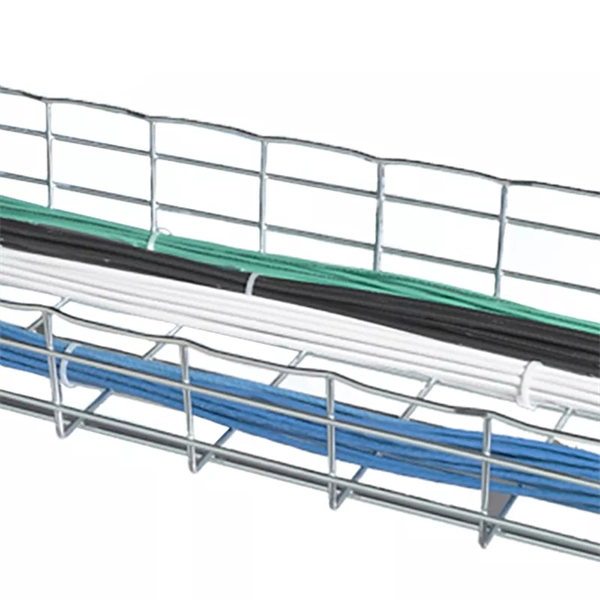
What are the types of materials used for cable trays
Types of Cable Trays: Ladder, Perforated, Basket, Solid & ChannelExplore all types of cable trays—ladder, perforated, basket, solid, and channel. Learn the.
[PDF Version]
-

Cable tray base types
The three main types are ladder tray, perforated (solid-bottom) tray, and wire mesh tray. Standard widths run from 50 mm to 900 mm; standard lengths are 3 m per section. Each cable tray type performs a different function and comes in various materials such as aluminum...
[PDF Version]