
Technical notes
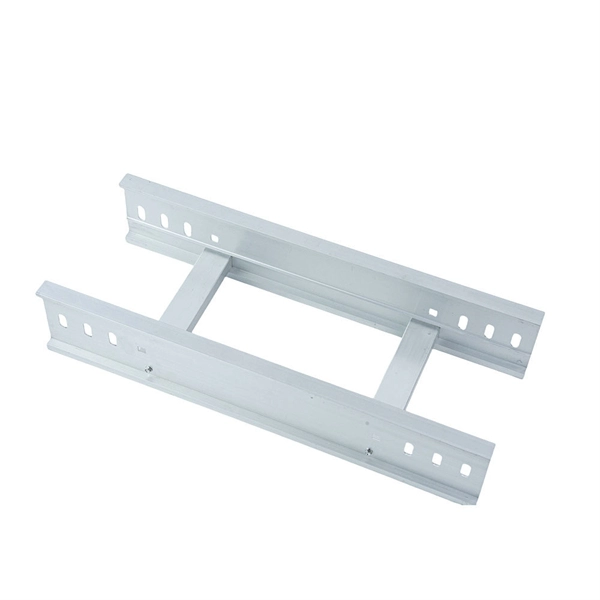
Guide to cable support systems
The basis for the recommendation is not the standard load capacity of the brackets, as tested according to DIN-EN 61537, but rather the realistically occurring loads of a standard cable support system.
Best Practice Guide to Cable Ladder and Cable Tray Systems
This publication is intended as a practical guide for the proper and safe* installation of cable ladder systems, cable tray systems, channel support systems and associated supports.
GUIDE CABLE TRAYS TECHNICAL
NEMA VE 1-2017 Specifies requirements for metal cable trays and associated fittings designed for use in accordance with the rules of Canadian Electrical Code, Part I and the National Electrical Code®
HANGERS & BRACKETS Lengths Cable Ladder
The loading table below gives the recommended maximum load for each size of tray overhead hanger when used with Vantrunk cable tray and with a uniformly distributed load (UDL) onto the tray
Cable Tray Technical Guide A practical guide to product selection and
In designing supports for a cable tray system, consideration should be given to the loads associated with future cable additions and any additional loading that may be applied to the cable tray system (e.g.,
Cable Tray Brackets & Hangers
Stand-Off Brackets: Ideal for mounting cable trays or baskets with a specific clearance from walls or other surfaces, these brackets are available in sizes ranging from 50mm to 300mm.
Cable Tray Hanger Bracket & Channel Hangers | TechLine Mfg
Our Snap Track single hanger brackets & channel hangers are used for overhead or beam mounting when installed with a beam clamp. Contact us!
Cable Tray Dimensions Guide: Standard Sizes, Tray Types & Sizing
Explore standard sizes by tray type, understand width and depth limits, and see how to calculate and choose compliant cable tray sizes for real projects.
IEC 61537:2023 | IEC
IEC 61537:2023 specifies requirements and tests for cable tray systems and cable ladder systems intended for the support and accommodation of cables and possibly other electrical equipment in
Resources for Cable tray and ladder systems
Our cable tray design considerations guide details key factors to consider when designing cable tray systems for industrial and commercial applications. Browse or download the cable tray catalog for
LEGRAND CABLE TRAYS TECHNICAL GUIDE
Not all cable trays are equivalent. The mechanical and electrical characteristics, tests, certifications, overall quality management, recommendations mentioned in this technical guide only apply to our
Full cable tray systems specification document
2.02 CABLE TRAY SECTIONS AND COMPONENTS A. General: Except as otherwise indicated, provide metal cable trays, of types, classes and sizes indicated; with splice plates, bolts, nuts and
Cable tray manual
If these circuits were installed in cable tray, the conductor sizes would not need to be increased since the parallel conductor derating factors do not apply to three conductor or single conductor cables in
Cable Management Support Systems
Cable Management Support Systems Cable Support Systems are well designed to provide necessary support for cable trays, cable ladders and trunkings. Cable supports are manufactured according to
CABLE MANAGEMENT SYSTEMS CABLE TRAYS & ACCESSORIES
Cable Trays & Accessories Cable Trays are designed to meet most requirements of cable and electrical wire installations and comply to local and international standards of fabrications and finishes.
Cable Tray SHIB NAL
The National Electrical Manufacturers Association (NEMA) also publishes three consensus standards that apply to the proper manufacture and installation of cable trays: ANSI/NEMA-VE 1-1998, Metal
TECHNICAL AND SIZING DATA
Once the designer has ascertained what cables are being used and their construction, he must determine the size of the ladder tray cavity. Please reference the following section on Technical
Cable Tray Size and Dimensions: How to Choose the
Learn how to calculate the perfect cable tray size and dimensions for your electrical project. This guide covers load capacity, fill ratios, and industry
Related Video Reference
This video was associated with the source search result. Verify technical details against current product documentation and project requirements.