
Technical notes
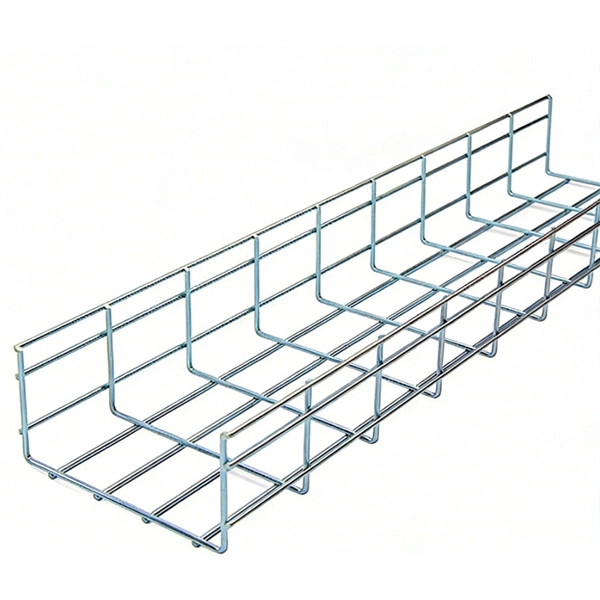
Cable Tray Thickness Guide: Which Thickness Should You Choose?
Learn how to choose the right cable tray thickness for industrial, commercial, and infrastructure projects. Explore GI cable tray thickness standards, load capacities, and selection
Cable Tray Dimensions Guide: Standard Sizes, Tray
In practice, cable tray dimensions are a system of interrelated measurements —width, depth, length, and material thickness—that directly
Cable Tray Technical Guide A practical guide to product selection and
Cable tray installed in a hazardous location must contain only those cables that are appropriate for this type of environment as defined in Chapter 5 of the NEC.
GUIDE CABLE TRAYS TECHNICAL
When fitting cable trays and their accessories, the products are cut on site to create changes of direction, adjust sections, etc. Damage can also occur during handling; as a result, both the
Cable Tray Guide: Picking the Best Thickness and Width Options
However, selecting the correct thickness and width of a cable tray is essential to maximize performance, avoid safety hazards, and minimize costs. This article explains the key
Cable Tray Thickness Standard 2026: Key Guidelines
This report provides a comprehensive analysis of cable tray thickness standards, material specifications, and market trends as of May 2026. It covers both industrial-grade infrastructure and
B-Line series Cable Tray Design Considerations
For ladder or ventilated trough trays, the total sum of the cross-sectional areas of all the cables to be installed in the cable tray must be equal to or less than the allowable cable area for the tray width, as
Cable tray manual
Where cable tray wiring systems with current carrying conductors are installed in a dust environment, ladder type cable trays should be used since there is less surface area for dust buildup than in
Guide to cable support systems
Widths of 8 and 15 millimetres enable flexible adjustment to different cable trays, cable ladders and cable volumes. With the help of the matching SBV tightening strap locks and 576 spring chuck, the
Cable Tray Size Calculation for Project Engineers
Cable tray thickness should be selected based on the total cable load, tray width, support span, and material strength. Heavier cable runs require
QCS 2010: Cable Tray Specifications | PDF | Cable | Screw
It specifies that cable trays shall be constructed from hot-dipped galvanized mild steel with a minimum thickness of 1.5mm. Tray components must be accurately formed to tolerances with rounded edges.
Cable tray manual
INTRODUCTION The B-Line series Cable Tray Manual was produced by our technical staff. We recognize the need for a complete cable tray reference source for electrical engineers and designers.
CABLE TRAY SYSTEMS GUIDE
Cable Tray Systems Guide HUBBELL Hubbell Wiring Device-Kellems and Hubbell Premise Wiring are divisions of Hubbell Incorporated, a U.S. headquartered manufacturer with over 130 years of
Wire Mesh Tray Technical Guide
Cablofil wire mesh tray and sup-ports are designed to support any cable load allowed by the NEC when supports are spaced on 8'' spans. Only the hea-viest cables (750 kcmil mulitconductor power or
IEC 61537:2023 | IEC
Where necessary, cable tray systems and cable ladder systems can be used for the arrangement of cables into groups. This document does not apply to conduit systems, cable trunking systems and
Cable Tray Width, Dimensions and Specifications as per NEC
Learn about cable tray width dimensions and specifications as per NEC standards. Understand types, sizes, materials, and installation guidelines for safe and efficient wiring systems Cable tray systems
Full cable tray systems specification document
B. Cable tray systems are defined to include, but are not limited to straight sections of [ladder type] [trough type] [solid bottom type] [channel type] cable trays, bends, tees, elbows, drop-outs, supports
Cable Tray Guide: Picking the Best Thickness and Width Options
The thickness and width of a cable tray directly impact its load-bearing capacity, durability, and installation flexibility. If a tray is undersized, it may lead to cable congestion,
Related Video Reference
This video was associated with the source search result. Verify technical details against current product documentation and project requirements.