
Cable Tray Load Testing Methods Data And Safety Checks
Search optical fiber, connectivity, cable management and network infrastructure references.
- Cable
- Tray
- Load
Articles and technical references
8 on this page-
Methods for fixing cable tray cover plates with bolts
The fittings can fastened to the cable tray rail either with double clamps of type DOP A2 or with truss-head bolts of type FRS and combination nuts. The exceptions to this are vertical bends, adjustable bend elements and fittings with a side height of 35 mm. Each method has...
[PDF Version]
-
Methods for inspecting cable tray welding
Some common weld tests include Visual Inspection, Bend Testing, tension test, visual inspection, and radiography testing. In this detailed guide, we'll explore the essential inspection methods for cable trays, focusing on maintaining their structural integrity, load-bearing...
[PDF Version]
-
Methods for handling cable tray intersections
Cable Tray Technical Guide A practical guide to product selection and. Cable tray length is selected based on the load to be supported, the distance betw.
[PDF Version]
-
How to fold the cable tray support arm to increase load capacity
B-Line series Cable Tray Design ConsiderationsOur wind certification report provides you with list of acceptable B-Line series cable tray supports, fitting.
[PDF Version]
-
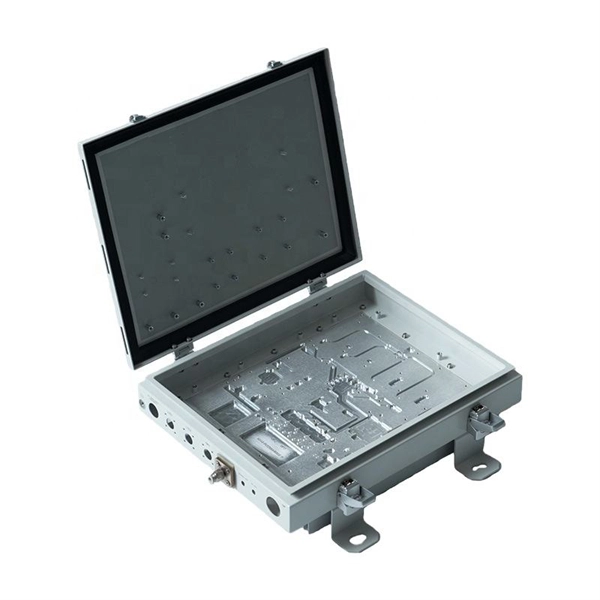
Cable tray current correction factor
The calculator determines the required tabulated current carrying capacity (It) so you select the correct cable size every time. *These factors are applicable only to ratings in columns 2 to 5 Table 1 of Appendix 2. Account for temperature, grouping, and fill. This tool...
[PDF Version]
-
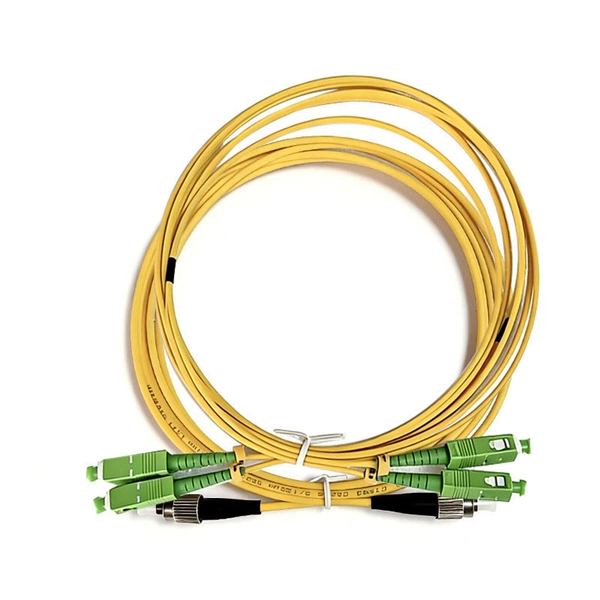
How to secure electrical wires when erecting a cable tray
Ensure you have durable fixings such as brackets, screws, bolts and clips to keep the cable tray securely mounted and cables safely supported along the entire route. This will help maintain the stability of the cable tray even under the weight of heavy cables in challenging...
[PDF Version]
-
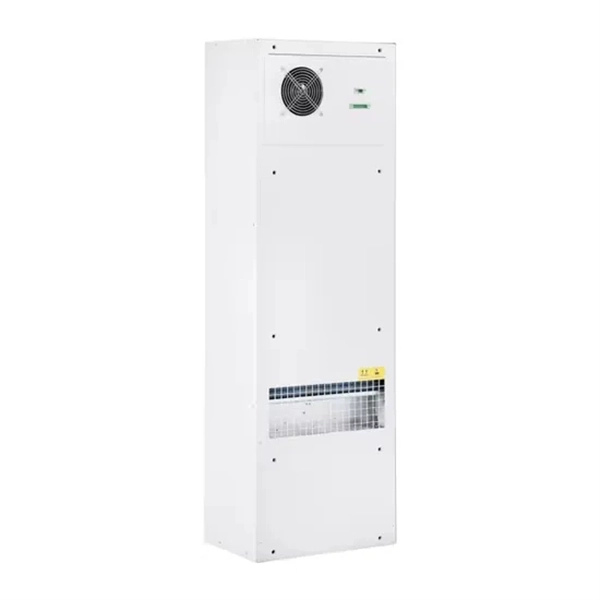
What is the tee joint in a cable tray shaft called
A box type cable tray tee is a fitting used to create a branching point in a cable tray system, allowing cables to be routed in three directions. Shaped like the letter "T," it provides a secure and stable connection between the main tray and the branching sections, ensuring...
[PDF Version]
-
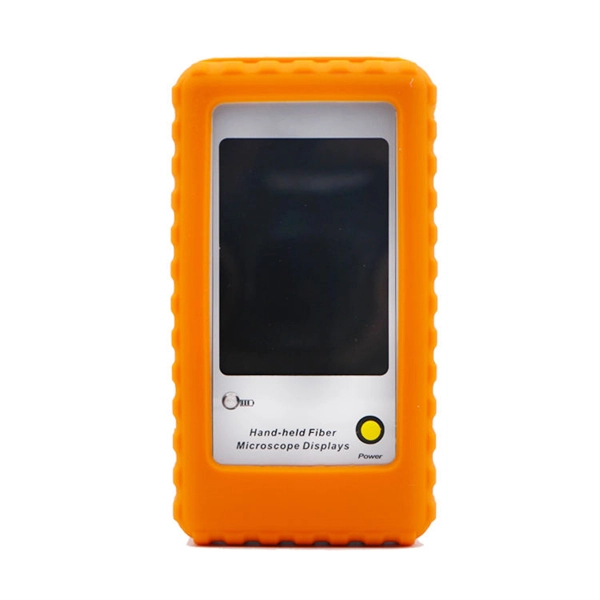
Installation distance of cable tray angle steel bracket
2 meter distance is maintained between the supports to avoid sagging of cable trays / ladders. Provide supports at 250 mm from bends, branches and offsets. screw tie) is used to external fastening element fasten support elements to supporting parts of the build-ing structure...
[PDF Version]