
Technical notes
The Last Line of Defense for Copper: The Rise of Co
For mid-range interconnects, technologies such as active copper cables and linear optical modules may serve as transitional solutions. These
A Deep Dive into the Copper and Optical Interconnects Weaving AI
Thicker cables would be required, but they introduce bulk, cost and installation and management headaches. Active electrical cable (AEC) technology addresses this problem by
Co-packaged optics: The future of data centers
What is co-packaged optics, and why does it matter? At its core, co-packaged optics is a technology that replaces traditional copper connections inside servers with
Jensen Huang: “Optical in, copper out” is a
In the process of GPU Memory Pooling, which is extremely sensitive to latency, the direct electrical signal transmission of copper cables has inherent advantages.
LightCounting :: A resurgence in CPO development
Co-Packaged Optics (CPO) may be the only option to provide for tens of thousands of high-speed interconnects in a 4-8 rack system. Our latest forecast for CPO offers an estimate for shipments of
Nvidia''s Jensen Huang at GTC 2026: Copper Cables and Optical
The mass production of Nvidia''s first co-packaged optics (CPO)-enabled Spectrum-X switch is pushing optical interconnect to new heights. Currently, the penetration rate of optical modules between AI
All AI Data Center Interconnects Will Be Optical Within 5 Years
At OFC 2026, Nvidia VP Alexis Bjornlin disclosed a GB Blackwell NVL576 prototype where you can see connections remain copper in-rack but shift to optical (the yellow fiber optic cables)
From Copper to CPO: The Next Shift in AI Interconnects
From this perspective, optics is not yet a compelling replacement for copper within tightly coupled GPU fabrics. The most immediate pressure point instead lies at the network switch layer.
Luxshare targets CPC, Foxconn enters CPO
This allows high-speed signals to travel directly over the copper cable as soon as they leave the chip, bypassing the PCB. This replaces traditional PCB routing and minimizes signal loss,
Optical Interconnect Technology Analysis: LPO, NPO, CPO
While copper cabling still offers cost and reliability advantages for short-distance connections, it faces the dual challenges of speed bottlenecks and cabling complexity in high
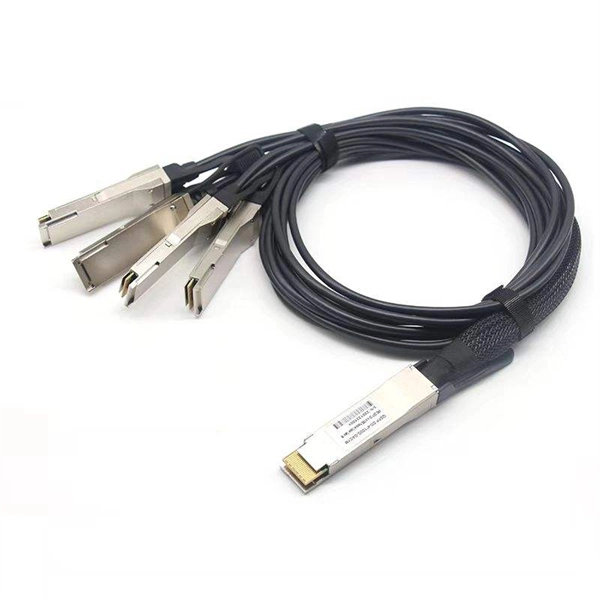
Comparing AOC, DAC, ACC, and AEC Cables for AI and Data Center
In network switching, various connectivity options are available, including optical modules paired with fiber, Active Optical Cables (AOC), and Direct Attach Cables (DAC). DACs can
SFP vs RJ45: In-Depth Comparison and Selection Guide
Latency Fiber (SFP/SFP+) = low EMI, stable latency Copper (RJ45) = higher jitter under high-speed load SFP/SFP+ delivers more stable latency performance thanks to optical media''s
Scaling AI Factories with Co-Packaged Optics for Better
This is precisely what''s required for high-density, high-performance AI factories. What do co-packaged optics bring to AI factories? NVIDIA has
Cisco Nexus 93180YC-FX NX-OS Mode Switch Hardware Installation Guide
The fan and power supply modules are field replaceable and you can replace one fan module or one power supply module during operations so long as the other modules are operating. If
The Evolution of Optical Modules: Powering the Future
Data centers, the beating hearts of this digital revolution, are tasked with processing and moving massive volumes of data at unprecedented speeds.
IBM Brings the Speed of Light to the Generative AI Era
IBM has unveiled breakthrough research in optics technology that could dramatically improve how data centers train and run generative AI models.
Fibre Optic Cable and Accessories
Fibre optic cables are used for both long-distance and short-distance data networking that requires large amounts of data to be transmitted at a high speed. In addition to fibre optic lights, some other
Goldman Sachs report: Optical Networking is the next mega trend in
That makes fiber-optic connectivity, pluggable optics, and co-packaged optics central to the next phase of AI build-out. The report splits opportunity across scale-up and scale-out
Related Video Reference
This video was associated with the source search result. Verify technical details against current product documentation and project requirements.