Skip to content
QK FIBERSystems Send a project enquiry
Reference library

Communication Cable Tower

Published
  • Communication
  • Cable
  • Tower
Source context

AI source overview

A communication cable tower is a specialized structure designed to support antennas and cabling for wireless communication networks, with types and designs tailored to height, load, and environmental requirements.

Types of Communication Towers

Monopole Towers: These are single, tall, tapered poles, usually made of steel or concrete, favored in urban and suburban areas for their small footprint and clean appearance. They are easy to install and maintain but have limited capacity for heavy antenna loads compared to lattice towers. Lattice/Self-Supporting Towers: Recognizable by their crisscross steel framework, lattice towers provide exceptional strength and stability.

They can support multiple antennas and microwave dishes, making them ideal for major communication hubs or shared sites. They do not require guy wires and can withstand extreme wind and ice conditions. Guyed Towers: These tall, slender structures are stabilized by tensioned cables anchored to the ground.

They are cost-effective for achieving great heights but require extensive land for guy wires, limiting their use in dense urban areas. Stealth Towers: Designed to blend into surroundings, these towers are disguised as trees, flagpoles, or other structures, allowing deployment in areas with strict zoning or aesthetic requirements. Small Cell/CRAN/Mini-Macro Structures: Compact towers used for 5G and dense urban coverage, often mounted on existing infrastructure like streetlights or rooftops.

Structural Components

Foundation: Towers rely on strong foundations to remain stable. Common types include pile foundations for loose soil and raft foundations for heavy towers or weak soil. Foundations are engineered to handle the tower's weight, equipment load, and environmental forces like wind or earthquakes.

Tower Body: The main structure varies by type—monopole, lattice, or guyed—and is designed to support antennas, cabling, and other equipment. Structural steel is the primary material, meeting specific strength and durability standards. Safety Systems: Towers include lightning rods, grounding systems, aviation lights, ladders, platforms, and safety harnesses to protect both the structure and maintenance personnel.

Cabling and Antennas: Communication towers carry coaxial, fiber optic, and other cables to connect antennas and transmit signals efficiently. Proper installation ensures signal integrity and network reliability.

Considerations in Tower Design

Load Capacity: Towers must support the weight of antennas, dishes, and cabling. Lattice towers handle heavier loads than monopoles. Environmental Factors: Wind, ice, and seismic activity influence tower design and foundation requirements.

Urban Constraints: Rooftop mounts, non-penetrating frames, and stealth designs help integrate towers into dense or aesthetically sensitive areas. Regulatory Compliance: Towers must meet local and international standards for safety, aviation, and structural integrity. Communication cable towers are critical infrastructure for modern wireless networks, combining civil, structural, and electrical engineering to ensure reliable signal transmission while adapting to environmental, spatial, and regulatory challenges.

Research context

Reference summary

Communication Tower Technology & Infrastructure: TypesExplore communication tower technology & infrastructure. Learn about tower types, structural componen.

From reference to enquiry

Questions for your project

Use these editorial prompts alongside the linked excerpts. They identify items to confirm for your project.

Technical notes

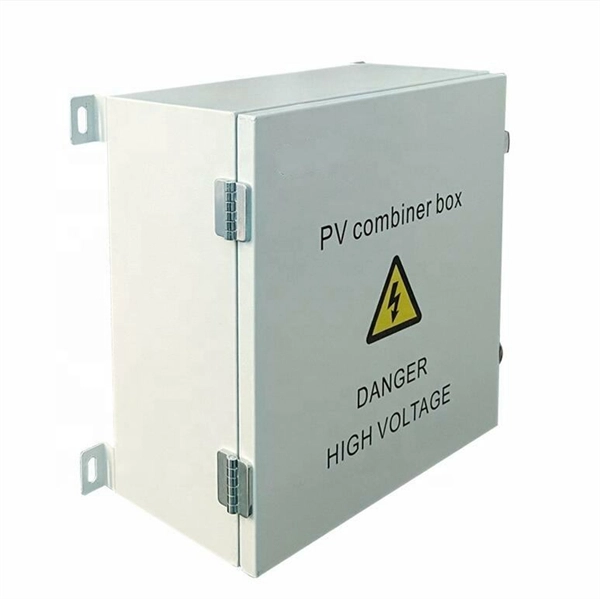
Illustrative equipment image

Communication Tower Technology & Infrastructure: Types

Explore communication tower technology & infrastructure. Learn about tower types, structural components, and key technological advances in

Understanding The Anatomy of a Telecommunication Tower

The design and placement of antennas, transmitters, and receivers on the tower are meticulously planned to ensure optimal signal transmission and reception. Understanding the

Understanding Telecommunication Towers

Telecommunication towers are the backbone of modern communication networks, providing the infrastructure necessary for wireless communication across vast distances.

CommStructures

We consistently deliver high-quality communication tower solutions in the commercial, defense, federal, utility and international markets. We design,

Communication Towers: Structural Engineering, Electronics

Conclusion Communication towers combine structural steel engineering with sophisticated RF and power electronics. Wind-load design, material protection, and precise

Communication Towers For Sale

Communication towers for sale with durable steel structure design. Ideal for telecom, broadcasting and network projects with reliable quality and fast installation.

Tower Accessories | Molex

Molex tower accessories are engineered for superior performance, durability, and low PIM interference. They are ideal for telecom tower hardware needs including

Types of Communication Towers & Their Maintenance Explained

There are four different types of communication towers that can be used to transmit cellular signals. There are many different types of cell towers that can be installed depending on your specific

Types of Telecom Towers | Lattice, Monopole & Rooftop

The main types of telecom towers include lattice towers, monopole towers, guyed towers, rooftop towers, and camouflaged telecom towers. Each type is designed

Cell Tower Cable

Our wireless cell tower cables are engineered for long distances and built to deliver consistent power and signal transmission in mobile tower deployments that span

The ABCs of communications towers

There are two basic types of towers, guyed and self-supporting. A guyed tower is a slender, steel structure supported by one or more levels of braided or stranded high-strength steel

What Are the Different Types of Towers in Telecom

Telecom towers are essential structures used to support antennas and other equipment for telecommunications services. These towers come in

How Cell Towers Work to Keep Your Networks

Microwave Dishes —For cell towers not connected with physical cable to the telecommunications network (usually in remote locations),

Visionary Broadband

Wireless: Technicians will mount a small dish on your roof, aiming it at a wireless tower. A small cable will run from the dish into your home and connect to your router.

Recommended Best Practices for Communication Tower Design,

Obstruction Marking and Lighting Advisory Circular AC 70/7460‐1M. Communication towers are some of the tallest structures across the landscape and birds are regularly found dead around these towers

Communication Towers | Communication Towers by

Discover Communication Towers at y5s.db6.myftpupload . Our towers withstand strong winds and ensure seamless communication.

Transmission Towers: Types, Design & Parts | Electrical4U

A SIMPLE explanation of Transmission Towers. Learn what a Power Transmission Tower is, how it works, design & parts, and the different types of

Communication Tower Best Practices

The business structure of the communication tower industry presents additional challenges to ensuring employee safety. When carriers own their own towers and directly employ the employees who build

Related Video Reference

This video was associated with the source search result. Verify technical details against current product documentation and project requirements.

Share your network requirements

Share the fiber interfaces, termination capacity, cable route and evidence required for handover.

Send a project brief