Skip to content
QK FIBERSystems Send a project enquiry
Reference library

Construction Plan for New Optical Cable Lines

Published
  • Construction
  • Plan
  • New
Source context

AI source overview

A successful optical cable construction plan involves detailed site surveys, route planning, permits, installation, testing, and final deployment to ensure a reliable and scalable fiber network. 1.

Site Survey and Route Planning

The first step is conducting a site survey to assess the project area, including streets, terrain, existing utilities, and potential obstacles like waterways or buildings. Engineers map out the most efficient routes for the fiber optic cables, deciding whether to install them aerially on poles or underground beneath streets or sidewalks. Central distribution points are identified, often using a Passive Optical Network (PON) architecture, which allows one central optical line terminal (OLT) to serve multiple optical network terminals (ONTs) without powered equipment in between, reducing energy costs and simplifying maintenance.

2.

Approvals and Permits

Before construction, it is essential to secure municipal permits and approvals. Fiber routes may cross public rights-of-way or private property, requiring easements. Compliance with local regulations ensures safety, reduces legal risks, and maintains community trust during construction.

3.

Cable Selection and Procurement

Select the appropriate fiber type based on network requirements, such as Single Mode Fiber (SMF) for long-distance or Multi-Mode Fiber (MMF) for shorter distances. Procurement should include all necessary materials, including cables, connectors, splicing hardware, and protective enclosures. 4.

Worksite Preparation

Notify residents and businesses about upcoming work. Mark existing underground utilities using color-coded flags (red for electric, yellow for gas, orange for communication lines). Prepare trenches or pole routes, ensuring minimal disruption and adherence to safety standards.

5.

Installation and Splicing

Install the fiber cables along the planned route. For longer distances, splicing is required to join cable segments. Splices and terminations are protected in manholes, pedestals, or huts.

Proper documentation of every splice, drop, and termination is critical for future maintenance. 6.

Testing and Quality Assurance

After installation, perform fiber optic testing using tools like Optical Time Domain Reflectometers (OTDRs) to check for light loss, continuity, and connection quality. Testing ensures the network meets performance standards before activation. 7.

Connecting to End Users (FTTH/FTTx)Extend the network from distribution points to individual homes or businesses.

Install ON

Ts at customer premises to convert optical signals into digital data. Service tiers can be offered based on speed and bandwidth requirements. A well-executed FTTH network provides ultra-fast, symmetrical speeds and high reliability.

8.

Documentation and Maintenance

Maintain detailed records of the cable plant, including routes, splices, terminations, and hardware locations. Proper documentation supports network operation, maintenance, and future upgrades. Assign project managers and supervisors to oversee construction, ensuring adherence to plans and quality standards.

Key Considerations

Ensure safety compliance and use protective equipment during installation. Plan for scalability to accommodate future network expansion. Maintain transparent communication with local authorities and the community.

Use high-quality materials and follow industry standards to ensure long-term reliability. By following these steps, a construction plan for new optical cable lines can achieve a robust, efficient, and future-proof fiber network suitable for modern broadband and communication needs.

Research context

Reference summary

Fiber Optic Network Construction Learn how fiber optic network construction works—from site survey and permits to aerial vs underground fiber cable install.

From reference to enquiry

Questions for your project

Use these editorial prompts alongside the linked excerpts. They identify items to confirm for your project.

Technical notes

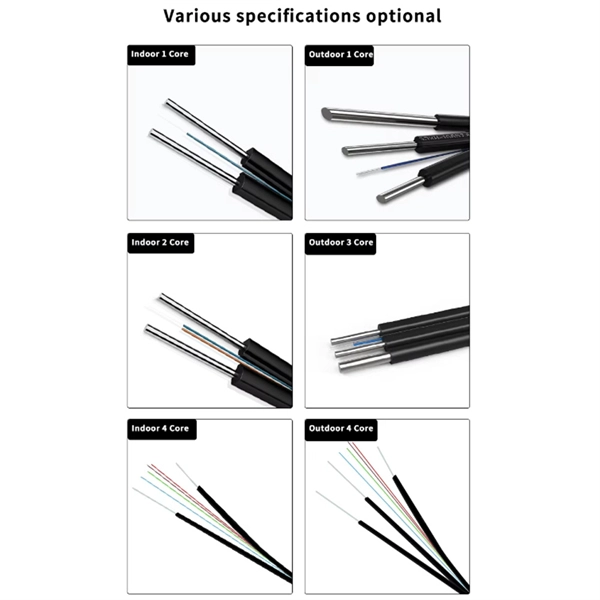
Illustrative equipment image

Fiber Optic Network Construction

Learn how fiber optic network construction works—from site survey and permits to aerial vs underground fiber cable installation, splicing, and FTTH connections.

Fiber Network Planning and Design (FTTH/FTTP /FTTx )

Our engineering teams specialize in FTTH, FTTx, FTTP, FTTC, HFC, and Outside Plant (OSP) network design, delivering accurate CAD drawings, GIS mapping, construction documentation, and permitting

A High-Level Overview of the Fiber Construction Stages

Get a high-level overview of the fiber construction stages and what to expect. This comprehensive guide explains each step of the process, helping you set realistic

Optical Fiber Cable Engineering Construction: A Comprehensive

Optical Fiber Cable installation processes vary depending on local conditions, route complexity, and regulatory requirements. The following general steps outline the installation process:

Inside the Construction of a Fiber Network: Step-by-Step

Building a fiber-optic network is a complex, multi-step process that goes far beyond simply choosing between aerial or underground cables. The construction of a fiber network involves

FOA Standard For Installing Fiber Optic Cable Plants

Before the fiber optic cable plant can be installed, construction may be needed to provide the infrastructure in which the fiber optic cables will be installed.

The Complete Guide to Fiber Optic Network Design and

In this broad guide, we will run through why, what, and how of Fiber optic network design and deployment — covering planning, challenges, best

The FOA Reference For Fiber Optics

Plan for the future, but assume you will upgrade, change directions, etc. driven by new tech and changes in the world around us. Fiber Optic Project Timeline FOA has mainly dealt with technical

Fiber Optic Installation Requirements: Complete Guide

Learn the different fiber optic cable installation requirements with our expert guide to ensure optimal performance and durability in your network.

A Step-by-Step Guide to Fiber Optic Cable Installation

This beginner-friendly guide will walk you through the step-by-step process of fiber optic cable installation for each method, highlighting best

The FOA Reference For Fiber Optics -Outside Plant Construction

Underground Cable Plant Construction Underground cables are pulled in conduit that is buried underground, usually 1-1.2 meters (3-4 feet) deep to reduce the likelihood of accidentally being dug

Fiber Optic Network Construction: Process and Build Costs

Fiber optic network construction links together digital infrastructure ensuring optical telecommunications traffic reaches end users at the lowest cost.

The FOA Reference For Fiber Optics

The fiber optic contractor should be able to work with the customer in each installation project through six stages: design, installation, testing,

Underground Fiber Optic Cable Installation:

Explore the process and benefits of underground fiber optic cable installation. Learn how this infrastructure investment can elevate your internet

Fiber Optic Construction Planning and Tips

The PenguinData Construction Project Management Software is your solution for easier fiber optic cable planning and installation. The software provides complete visibility into every aspect of your project,

OSP Civil Works Guide-FOA

OSP Fiber Optics Civil Works Guide An updated version of this booklet is now available as a textbook on Amazon, is included in the FOA Reference Guide to Outside Plant Fiber Optics and as a section

Fiber Optic Route Surveys

Design Presentation provides the expertise needed in construction plans for trenching, coupling, backfilling, fiber optic cable pulling, and fiber optic cable termination. DP is a leading provider of CAD

The FOA Reference For Fiber Optics

Fiber optic network design refers to the specialized processes leading to a successful installation and operation of a fiber optic network. It includes determining the type of communication system (s) which

Related Video Reference

This video was associated with the source search result. Verify technical details against current product documentation and project requirements.

Share your network requirements

Share the fiber interfaces, termination capacity, cable route and evidence required for handover.

Send a project brief