
Technical notes
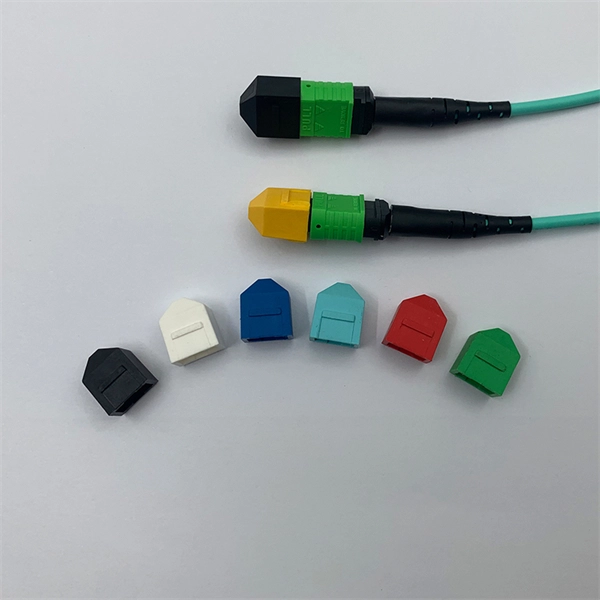
Fiber Optic Pigtail: The Complete Guide to Types,
Confused about fiber optic pigtails—which connector type, which polish, fusion or mechanical splice? Our guide covers LC vs SC, APC vs UPC,
How to Splice Fiber Optic Pigtails: A Step-by-Step Guide
Master the art of fiber termination. Learn how to splice fiber optic pigtails using fusion splicing, follow the color code, and ensure low insertion loss.
How Do I Pigtail A Wire? | Pro Tips Guide
Below you''ll learn when a pigtail is the smart move, which connectors to choose, and a step-by-step method you can repeat every time. There are three big reasons. First, many device terminals accept
How to Install a Pigtail Connector
Learn the professional method for secure, permanent pigtail connector installation, ensuring safe and reliable electrical function.
How to Wire an Electrical Pigtail with Diagram [Pro Safety Guide]
To create a code-compliant pigtail, you need 12 or 14-gauge THHN wire, wire strippers, Lineman''s pliers, and appropriately sized wire nuts. Before beginning any wiring project, ensuring
Fiber Optic Pigtail: Types, Splicing Guide, Specs & Price
Quick answer: A fiber optic pigtail is a short cable with a factory-installed connector on one end and exposed fiber on the other. The bare end is fusion-spliced to a trunk or distribution cable
pigtails electrical connection
Follow these professional methods to achieve durable wire joints. Proper technique prevents loose contacts and ensures compliance with safety codes.
How to Splice a Cable Wire: Step-by-Step Instructions
Safely repair or extend electrical connections. Follow our complete guide on preparation, techniques, step-by-step splicing, and secure insulation.
How to Make Pigtail Electrical Wire Connections
Pigtailing is a wiring method that allows electrical devices to connect to two or more circuit wires. Learn the proper technique for pigtailing.
Automotive Wiring Pigtails: Complete Guide to Connector Repairs
Butt splices provide excellent mechanical strength, consistent electrical performance, and are often the fastest installation method for most pigtail repairs when properly sealed.
#0003: Basic techniques for connecting wires – A
#0003: Basic techniques for connecting wires Connections discussed: Straight solder splicePig-tail spliceWestern Union spliceT-junction splice
How Do You Splice Fiber with a Fusion Splicer?
In this video and step by step tutorial, we take you through the basic steps on how to fusion splice pigtails using a fusion splicer.
Rat-tail splice
A rat-tail splice, also known as a twist splice or a pig-tail splice, is a basic electrical splice that can be done with both solid and stranded wire. It is made by taking
What Is It and How to Splice It
High-quality pigtail cables, coupled with correct fusion splicing practices offer the best performance possible for fiber optic cable terminations. Fiber optic pigtails are usually found in fiber optic
How to Properly Pigtail Outlets for Safety
Pigtail wiring is a superior method for connecting electrical receptacles, ensuring safety and longevity for the entire circuit. This technique involves creating short wire segments that isolate
What Is a Pigtail Connector: Types, Uses & Guide
To use pigtail connectors properly, install them with the right tools, respect bend radius, and follow correct splicing or crimping methods for each
What Is Fiber Optic Pigtail and How to Splice It?
While for mechanical fiber optic pigtail splicing, it precisely holds a fiber optic pigtail and fiber patch cord together, the joint could be temporary or
Wire Splicing Techniques Explained | PDF | Wire | Electrical Wiring
Wire Splicing Techniques Explained This document provides instructions on various wire splicing and termination techniques. It discusses wire splicing, its importance, and different splicing techniques
Related Video Reference
This video was associated with the source search result. Verify technical details against current product documentation and project requirements.