Skip to content
QK FIBERSystems Send a project enquiry
Reference library

Data Center Architecture Solutions

Published
  • Data
  • Center
  • Architecture
Source context

AI source overview

Data center solutions architecture integrates physical infrastructure, IT systems, and network design to deliver scalable, reliable, and secure computing environments.

Core Principles

Data center architecture is designed to ensure scalability, reliability, efficiency, and security. Scalability allows the infrastructure to grow by adding servers, storage, or network capacity without major redesigns. Reliability is achieved through redundancy in power, cooling, networking, and storage systems to minimize downtime.

Efficiency focuses on optimal resource utilization and energy management, while security encompasses both physical and cybersecurity measures to protect data and operations.

Key Components

Physical Infrastructure: Includes the building, racks, power distribution units (PDUs), uninterruptible power supplies (UPS), backup generators, and cooling systems. Proper planning ensures continuous operation and environmental control. Computing Resources: Servers, including rack-mounted, blade, and clustered systems, provide the computational power for applications.

Virtualization technologies allow multiple virtual machines (VMs) to run on a single physical server, improving resource utilization and flexibility. Storage Systems: Data centers use SAN (Storage Area Network), NAS (Network Attached Storage), and cloud storage solutions to manage large volumes of data efficiently. Networking Infrastructure: A layered network design—core, aggregation, and access layers—ensures high-speed connectivity, redundancy, and optimized traffic flow.

The core layer provides high-speed packet switching and connectivity to aggregation modules. Aggregation layers handle service integration, Layer 2 domains, and server-to-server traffic, while access layers connect servers physically to the network. Management and Automation Tools: Software platforms monitor, orchestrate, and optimize data center operations, enabling rapid deployment of new services and efficient resource allocation.

Architectural ModelsMulti-Tier Model: Commonly used for web-based applications, this model separates web, application, and database tiers. Load balancing and firewalls between tiers enhance resiliency and security. Distributed Systems Architecture: Resources are spread across multiple nodes to improve availability, scalability, and fault tolerance.

This model supports cloud computing, microservices, and large-scale web applications. Virtualized and Cloud Architectures: Virtualization abstracts physical servers into multiple VMs, improving flexibility and resource utilization. Cloud data centers provide on-demand scalability and cost efficiency, though they may introduce dependency on provider connectivity and potential vendor lock-in.

Best Practices

Redundancy: Implement multiple power, cooling, and network paths to prevent single points of failure. Modular Design: Use scalable modules for servers, storage, and networking to accommodate growth. Segmentation: Employ VLANs or separate infrastructure for security and traffic management.

Monitoring and Automation: Continuously monitor performance and automate provisioning to maintain efficiency and rapid service deployment. Energy Efficiency: Optimize cooling and power usage to reduce operational costs and environmental impact. By integrating these principles and components, a data center solutions architecture provides a resilient, flexible, and high-performance environment capable of supporting modern enterprise applications and distributed systems.

Research context

Reference summary

Architectural design of data centres: solutions for a Designing data centres today is an exciting and dynamic field. It entails addressing unprecedented ch.

From reference to enquiry

Questions for your project

Use these editorial prompts alongside the linked excerpts. They identify items to confirm for your project.

Technical notes

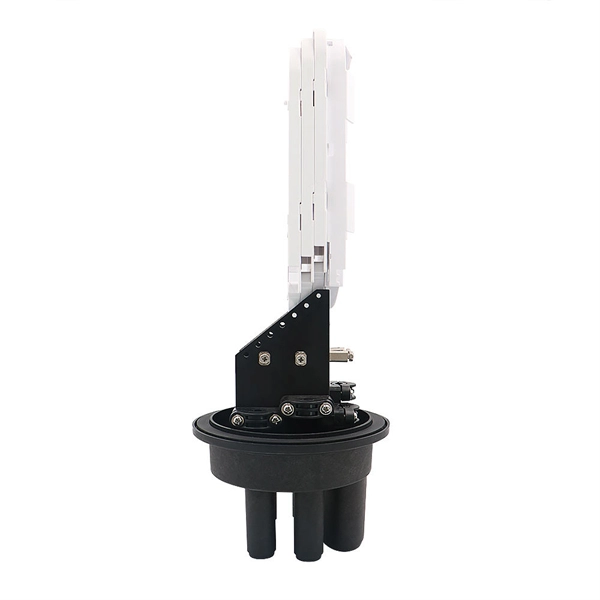
Illustrative equipment image

Architectural design of data centres: solutions for a

Designing data centres today is an exciting and dynamic field. It entails addressing unprecedented challenges and collaborating with

Top 30 Data Center Architecture Firms for 2025

Corgan, HDR, Gensler, Stantec, AECOM, HKS, Page, HED, Arcadis North America, and DGA top Building Design+Construction''s ranking of the nation''s largest data

Data Center Architectures for Distributed Systems

Data center architecture is fundamental for the effective operation of distributed systems. By understanding the various types of architectures, network topologies, and storage solutions,

Data Center | Tag | ArchDaily

Discover the latest Architecture news and projects on Data Center at ArchDaily, the world''s largest architecture website.

Data Center Architecture Overview

This chapter defines the framework on which the recommended data center architecture is based and introduces the primary data center design models: the multi-tier and server cluster models.

Data Center Infrastructure Services From Penguin Solutions

From a single rack to infrastructure spanning multiple data centers and closer to the edge, our experienced architects and engineers will work closely with you to design and implement

Data centers industry | Siemens

Transform data centers for efficient, resilient and sustainable operation with a partner who can help design, implement, scale and finance technical innovation.

What is a Data Center

A data center is a secure, redundant facility for storing and sharing applications and data. Learn how they are changing to keep up with our computing needs.

Data Center Networking Solutions

Stay in control with Cisco data center networking solutions that provide industry leading networking operations, automation, and sustainability.

Delta InfraSuite – Tier 3 Data Center Solution

Delta Infrasuite is a tier 3 data center design solution for planning and building high performance data center rooms with an emphasis on energy efficiency.

Data Center Solutions and Networks | Schneider Electric

Our reliable, efficient, high-performing data center network and solutions: infrastructure, optimization, and critical services. Delivering excellence in data

Data Center Architecture Essentials: Designing for

Explore Data Center Architecture, focusing on the design, components, and strategies for efficient, scalable, and reliable storage and

Data center trends 2026: Shifting up a gear

Uncover the secrets behind the data center boom—where speed, innovation, and AI collide. Explore the bold moves, rising stars, and game

What is Data Center Architecture?

Dive into the world of Data Center Architecture with Supermicro''s comprehensive guide. Discover the various types, key components, and significant benefits of

Data Center Design and Construction: A Complete Guide

Learn how to design and build a data center with this 8-step guide. Explore key components, best practices & requirements for a secure, scalable facility.

Cisco Data Center Infrastructure 2.5 Design Guide

This chapter provides details about the multi-tier design that Cisco recommends for data centers. The multi-tier design model supports many web service architectures, including those based

How to Design and Build a Data Center

Take on data center design by factoring in these considerations, including space, power, cooling, performance, security, management and future capacity.

Data center infrastructure: 5 key components and best practices

Beyond hardware, data center infrastructure might incorporate virtualization technologies and software tools that contribute to workload and resource management. The scalability and flexibility of data

Related Video Reference

This video was associated with the source search result. Verify technical details against current product documentation and project requirements.

Share your network requirements

Share the fiber interfaces, termination capacity, cable route and evidence required for handover.

Send a project brief