
Technical notes
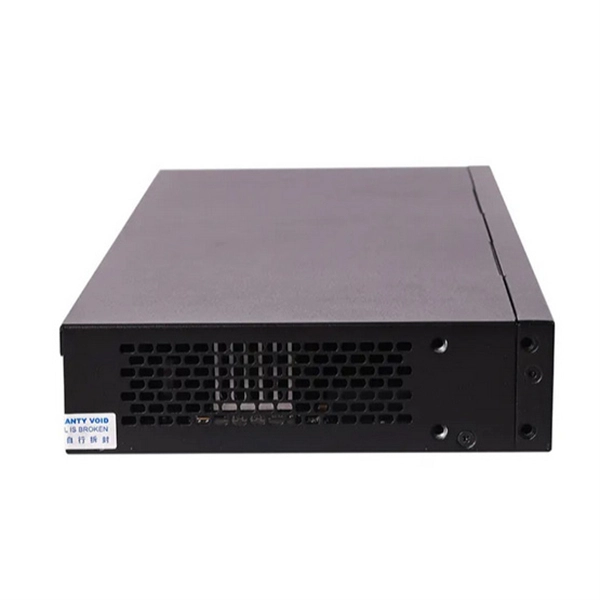
Typical Data Center Layout: Core Components and Infrastructure
A well-designed data center layout — integrating the Server Room, Power Room, and NOC as interdependent functional zones — is the foundation of a resilient, efficient, and future-ready
Data center
OverviewClassification and TypesHistoryData center designEnergy useSocial and environmental impactsNetwork infrastructureModular data center
A data center is a facility used to house computer systems and associated components, such as telecommunications and storage systems. Data centers are critical infrastructure for the storage and processing of information, and they support the global financial system, cloud services, machine learning, and artificial intelligence. Since IT operations are crucial for business continuity, a data center generally includes
What''s inside a data center?
Data centers form the backbone of today''s digital world, ensuring data flows where and when it''s needed. But what is inside a data center? Behind secured doors lies a world of precision, divided into
What is a Data Center
A data center is a secure, redundant facility for storing and sharing applications and data. Learn how they are changing to keep up with
Types of Data Centers Explained (2026 Guide)
In this beginner-friendly 2026 edition, we break down the different types of data centers in simple terms, explain how they work, and help you understand which types dominate today''s fast
Data Center Design and Construction: A Complete Guide
Learn how to design and build a data center with this 8-step guide. Explore key components, best practices & requirements for a secure, scalable facility.
How Data Centers Work: Power, Cooling, and Infrastructure Explained
Learn how data centers work, including power systems, cooling methods, redundancy design, and the infrastructure that keeps servers running.
The Basics of Data Centers: What You Need to Know
Discover the essentials of data centers in our comprehensive guide. Learn about their components, types, and how they power digital operations. Explore key trends like edge computing,
What is a Data Center? | Definition from TechTarget
What is a modern data center? In the past, data centers were highly controlled physical environments. However, modern infrastructures have shifted
What is a Data Center?
What is a data center? A data center is a physical location that stores computing machines and their related hardware equipment. It contains the computing infrastructure that IT systems require, such as
Data Center vs. Server Room: Main Differences, Advantages
While data centers offer reliability, scalability, and large-scale infrastructure, server rooms offer simplicity, full control, and lower capital costs. At this point, it''s hopefully a pretty simple decision
What Is a Data Center? | Built In
What Is a Data Center? Data centers are physical facilities that contain computer servers, network equipment and other IT infrastructure needed to run applications and services. They also
Server Room vs. Data Center: Key Differences and Planning
Understand the differences between a server room and a data center, including scale, redundancy, cooling, and compliance for smarter infrastructure planning in 2026.
Server Room vs Data Center: Which is Best for Your Business?
Server Room vs Data Center: Making the Best Decision for Your Business When it comes to the server room vs data center debate, there are a lot of factors to consider, many of which
Data Centers 101: What is a Data Center, and Why Do
Data centers that serve Americans should be based here in America, so that we can reap the benefits of infrastructure investment, new tech jobs and
Server Rooms vs Data Centers: What Are the Key
Discover how server rooms and data centers compare in scalability, cost, cooling, and redundancy to help you plan the right IT infrastructure.
Data Center vs. Server Room: Key Differences & Benefits | Volico
Data center vs. server room solutions can be quite different. Discover how picking the right one for your business is crucial for success.
Data Center vs Server Room
A data center is an IT infrastructure of an enterprise that stores, processes, and transmits large amounts of data with the help of servers, cooling, networking, etc, which are housed in a designated building
Related Video Reference
This video was associated with the source search result. Verify technical details against current product documentation and project requirements.