
Design Analysis For Wave Length Division Multiplexing
Search optical fiber, connectivity, cable management and network infrastructure references.
- Design
- Analysis
- Wave
Articles and technical references
9 on this page-
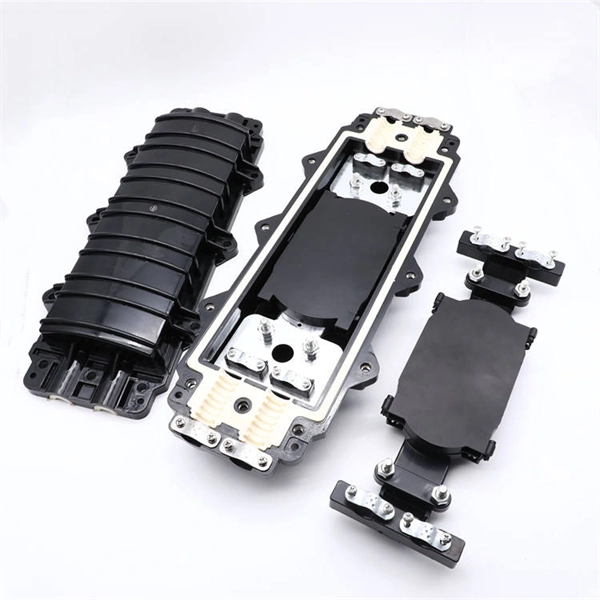
Analysis and Design of Wavelength Division Multiplexing Systems
This paper discusses some critical aspects of WDM system design, including channel spacing, signal attenuation, dispersion compensation, nonlinear effects, and polarization challenges. Also, advanced simulation results and prospects of combining the latest technologies with...
[PDF Version]
-
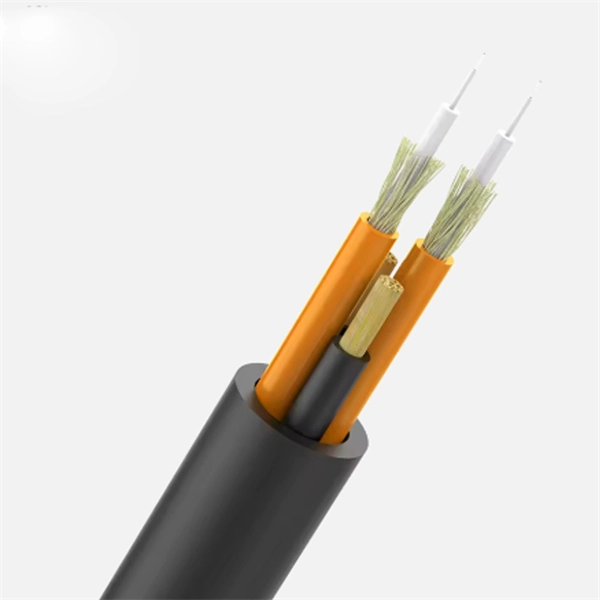
Fiber Wavelength Division Multiplexing Design
Normal WDM (sometimes called BWDM) uses the two normal wavelengths 1310 and 1550 nm on one fiber. Dense WDM (DWDM) uses the C-Band (1530 nm-1565 nm) transmission window but with. In fiber-optic communications, wavelength-division multiplexing (WDM) is a technology which...
[PDF Version]
-
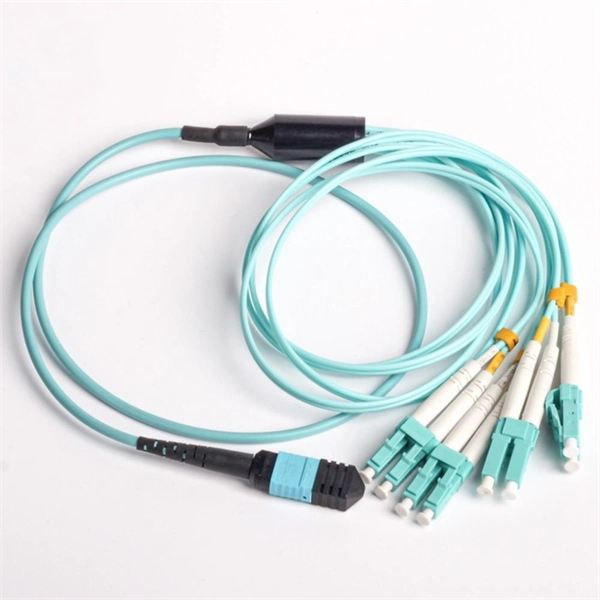
Wavelength Division Multiplexing Decoder
WDM systems are divided into three different wavelength patterns: normal (WDM), coarse (CWDM) and dense (DWDM). Normal WDM (sometimes called BWDM) uses the two normal wavelengths 1310 and 1550 nm on one fiber. Coarse WDM provides up to 16 channels across multiple transmission...
[PDF Version]
-

Analysis of Fiber Optic Communication Systems
Optical Fiber Communication (OFC) revolutionizes modern telecommunications, enabling rapid data transfer across long distances with minimal signal loss. This comprehensive review explores OFC's historical evolution, core principles, components, and versatile applications. It...
[PDF Version]
-
Analysis of Internet New Energy Brands
We analyzed 77 Internet of Energy startups. 2GG, Leap, Bandora Systems, Covert Science, and RESYNC develop 5 top solutions. Learn more in our Global Startup Heat Map!With the rapid advancement of battery technology and the demand for environmental sustainability, new energy...
[PDF Version]
-
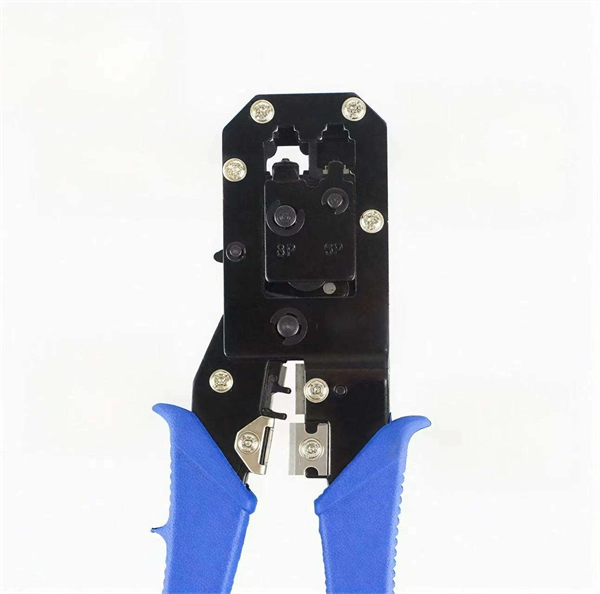
Fiber Optic Cable Adapter Design
Fiber optic adapters play a critical role in ensuring stable and low-loss fiber connections. A fiber-optic adapter — sometimes called a coupler or bulkhead coupler — is a passive mechanical interface that mates and aligns two terminated optical fibers (i. In this guide, we'll...
-
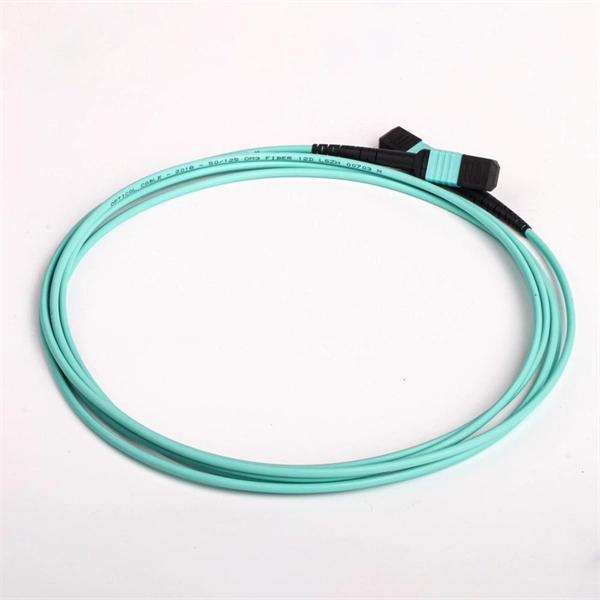
Wavelength Division Multiplexing and Multimode Technology
WDM systems are divided into three different wavelength patterns: normal (WDM), coarse (CWDM) and dense (DWDM). Normal WDM (sometimes called BWDM) uses the two normal wavelengths 1310 and 1550 nm on one fiber. Coarse WDM provides up to 16 channels across multiple transmission...
[PDF Version]
-
Length of Superstructure Fiber Bragg Grating
The structure of the FBG can vary via the refractive index, or the grating period. The grating period can be uniform or graded, and either localised or distributed in a superstructure. The refractive index has two primary characteristics, the refractive index profile, and the...
-
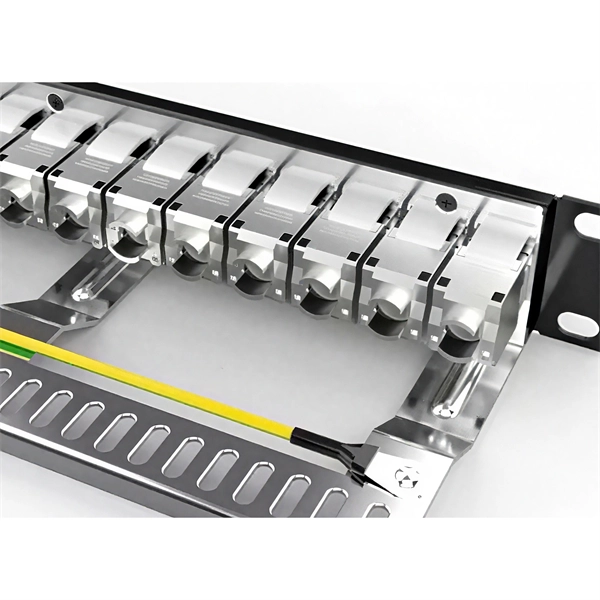
Principles of Beam Splitters and Wavelength Division Multiplexing
In fiber-optic communications, wavelength-division multiplexing (WDM) is a technology which multiplexes a number of optical carrier signals onto a single optical fiber by using different wavelengths (i.e., colors) of laser light. This technique enables bidirectional...
[PDF Version]
Continue in the technical library
- Information on Italian cable tray manufacturers
- How to determine the route of the optical fiber cable
- Techniques for Splicing Pigtails in Computer Rooms
- Namibia s technology supports pluggable SFP optical modules
- Multi-mode fiber optic LC bundle
- Drilling Requirements for Installing Distribution Boxes