Skip to content
QK FIBERSystems Send a project enquiry
Reference library

Distribution Box Technical Work

Published
  • Distribution
  • Box
  • Technical
Source context

AI source overview

Distribution box technical work involves precise design, component selection, electrical performance compliance, and proper installation to ensure safe and efficient power distribution.

Overview of Distribution Boxes

A distribution box (DB box) is a central hub in an electrical system that distributes power from a single input source to multiple circuits safely and efficiently. It houses key components such as circuit breakers, fuses, bus bars, isolators, RCCBs, and surge protective devices, which collectively prevent electrical faults like overloads or short circuits and protect connected equipment ( ).

Mechanical and Electrical Requirements

Mechanical and Appearance: The enclosure should be made of durable materials such as electrostatic-coated steel, polycarbonate, or epoxy-coated stainless steel. The surface must be uniform, free of scratches, pits, rust, or peeling, and maintain a clean interior without debris ( ). Electrical Performance: The main switch must connect to sub-switches via copper bars, not bare wires, with outgoing wire cross-sections equal to or larger than incoming wires.

Loop markings should be clearly labeled and fixed ( ). Bus bars and droppers should be made of EC grade aluminum or copper, properly insulated, and sized according to the load (e.g., 50x8 mm for 63/100 KVA boxes) ( ).

Key Components

Main Switch/

Breaker: Controls the entire electrical supply and allows emergency disconnection ( ). Circuit Breakers (MCBs): Protect individual circuits from overcurrent. Residual Current Circuit Breaker (RCCB): Detects imbalances to prevent electric shocks ( ).

Isolators: Enable safe maintenance by disconnecting parts of the circuit ( ). Bus Bars and Neutral Links: Conduct electricity and provide return paths for current ( ). Grounding Bus Bar: Ensures safety by directing excess current to the ground.

Surge Protective Devices: Protect against voltage spikes and lightning ( ).

Installation Guidelines

Site Preparation: The installation site must be level, accessible, and meet clearance requirements ( ). Mounting: Secure the box to a sturdy surface using appropriate hardware. Outdoor boxes should have weather-resistant, slanted roofs and comply with IP-55 protection standards ( ).

Electrical Connections: Connect phase, neutral, and earth conductors carefully. Ensure proper insulation and spacing between bus bars and MCCBs to prevent overheating ( ). Safety Compliance: All components should meet relevant standards (e.g., IS 13947 for MCCBs) and be type-tested in approved laboratories ( ).

Maintenance and Monitoring

Modern D

B boxes may include energy monitoring units and communication modules for real-time data collection and remote control. Regular inspection ensures that protective devices function correctly, connections remain tight, and the enclosure is free from dust or moisture ( ).

Summary

Technical work on distribution boxes requires attention to mechanical integrity, electrical performance, component quality, and proper installation. Adhering to standards and using high-quality materials ensures safety, reliability, and efficient power distribution in residential, commercial, and industrial settings.

Research context

Reference summary

Distribution Box Guide: Types, Components & SolutionsUnderstand distribution boxes (DB boxes) in 5 minutes. Learn about types, components, functions, and u.

From reference to enquiry

Questions for your project

Use these editorial prompts alongside the linked excerpts. They identify items to confirm for your project.

Technical notes

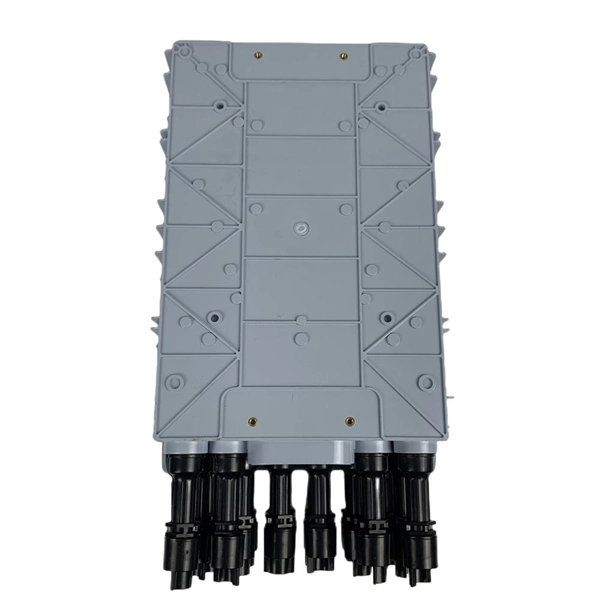
Illustrative equipment image

Distribution Box Guide: Types, Components & Solutions

Understand distribution boxes (DB boxes) in 5 minutes. Learn about types, components, functions, and uses. Find the perfect DB box for your needs.

Distribution Box and Selection Guide: Internal Structure, Components

Learn how to choose a distribution box and understand its internal structure, including MCBs, busbars, neutral bars, earth bars, RCDs, RCBOs, SPDs, enclosure ratings, and wiring layout.

Distribution box

In this article, you will learn everything you need to know about installing, expanding or replacing a distribution box - from the legal basis to practical implementation. What is a distribution box and what

What is a DB Box? Types, Wiring, Selection Guide

Learn everything about DB box (distribution box): what they are, how they work, wiring diagrams, types, and how to choose the right one.

TECHNICAL SPECIFICATION FOR LT DISTRIBUTION BOX

This specification covers design, manufacture, assembly, testing at manufacturer''s works, supply and delivery at site of all terminal connectors of 33KV equipment (mainly breaker, isolator,

How Does a Power Distribution Box Work: A Guide

Learn how a power distribution box works, its role in safely managing electricity, and why it''s vital for efficiency in industrial and commercial projects.

Electrical Distribution Boxes for Power Distribution | Wieland

From decentralized energy, signal and data distribution to distribution boxes for smart buildings, we offer the right solution.

TECHNICAL SPECIFICATION I.R.O. 63,100,160 & 315 KVA L.T.

For temperature rise test, a distribution box with all assembly of Isolator / Porcelain cutouts shall be kept in an enclosure such that the temperature outside the box shall be maintained at 50 ° C.

Distribution Box vs Control Box vs Junction Box: Key

In this article, we will break down their definitions, functions, technical specifications, applications, and practical use cases. By the end, you''ll know

Distribution Box: Key Functions, Components, and Selection Tips

In essence, the distribution box acts as a central hub, distributing electricity while protecting the system from overloads and faults. This makes it a crucial part of any electrical

What is an Electrical Distribution Box? A

What type of distribution box is best for a small business? For small businesses, a main circuit breaker panel with a sub-panel for specific high-load

Complete Guide For Distribution Boxes Types

Distribution boxes, also known as electrical distribution boards or panels, are pivotal components in electrical systems, ensuring the safe and organized distribution of electrical power throughout

How Does a Power Distribution Box Work: A Guide

Understanding how power distribution boxes work is essential for engineers, technicians, and facility managers tasked with system performance

How Does a Power Distribution Box Work

Learn how a power distribution box works step by step—from incoming power to circuit protection and smart monitoring—for safe, efficient electricity delivery.

Music Tribe

We''ll be back soon. We apologize for the inconvenience. Our site is currently under maintenance and will be back shortly. Thank you for your patience.

Summary of key points for construction and installation of distribution

The construction and installation points of distribution boxes and switch boxes are summarized as follows: 1. Select qualified products that meet national standards and safety requirements.

Power Distribution Boxes Explained Simply

Discover the essentials of a Power Distribution Box—how it works, key types, benefits, and tips to ensure safe, efficient electrical power management.

Power Distribution Boxes Explained Simply

Learn what a power distribution box is, how it works, key components, types, and why it''s vital for safe and efficient electrical systems.

Share your network requirements

Share the fiber interfaces, termination capacity, cable route and evidence required for handover.

Send a project brief