Skip to content
QK FIBERSystems Send a project enquiry
Reference library

Distribution box temperature control protection

Published
  • Distribution
  • Box
  • Temperature
Source context

AI source overview

Effective temperature protection for distribution boxes combines proper materials, insulation, ventilation, and active or passive cooling to ensure safe operation in extreme environments.

Material Selection and UV Protection

Choosing the right enclosure material is critical.

Polycarbonate and PV

C are recommended for outdoor use due to their strong UV resistance, while ABS is less durable under sunlight and can crack or discolor quickly. Applying UV-resistant coatings can reduce surface temperatures by up to 15°C, protecting both the enclosure and internal electrical components from heat stress and degradation. Placing boxes in shaded or covered areas further enhances protection and longevity.

Insulation

Insulation inside the distribution box helps maintain a stable internal temperature despite external fluctuations. Materials should provide both electrical insulation and thermal stability, with flame retardancy for safety. Proper insulation prevents heat or cold from damaging sensitive components and helps the box retain its shape.

Regular inspection for cracks or damage is essential to maintain effective thermal protection.

Ventilation and Cooling

Ventilation is crucial to prevent overheating. Without airflow, heat from electrical components can accumulate, causing equipment failure or condensation. Methods to improve ventilation include: Installing ventilation grilles or fansUsing active cooling systems like heat exchangers or air conditioners for sealed enclosuresChoosing light-colored finishes to reflect sunlightPlacing the enclosure in shaded areas These measures help maintain a steady internal temperature, reduce water condensation, and prevent rust or electrical shorts.

Temperature Ratings and Standards

Distribution boxes are designed to withstand specific temperature ranges. High-quality enclosures can operate in extreme temperatures from -60°C to +250°C, with short-term exposure up to +160°C, depending on the material and design.

IP and NEM

A ratings (e.g., IP65, IP66) indicate protection against dust and water ingress, which also affects thermal performance. Compliance with standards like IEC EN 62208 and EN 60529 ensures reliable operation in harsh environments. Passive vs.

Active Temperature Control

Passive methods: vents, natural airflow, shading, reflective coatings; suitable for mild conditionsActive methods: fans, heat exchangers, air conditioners; necessary for high heat loads or sealed enclosuresSmart systems: thermostats, IoT monitoring, and predictive maintenance can automate temperature control and alert operators to overheating risks.

Best Practices

Keep internal temperatures below 35°C (95°F) for optimal equipment performanceRegularly inspect insulation and ventilation componentsUse light-colored or reflective finishes to reduce heat absorptionConsider both internal heat sources (electrical devices) and external sources (sunlight, ambient temperature) when designing protection systemsPlan for scalability and future climate changes to maintain long-term reliability. By combining material selection, insulation, ventilation, and active or passive cooling, distribution boxes can maintain safe internal temperatures, ensuring reliable operation and extending the lifespan of electrical equipment.

Research context

Reference summary

Electrical Enclosure Temperature Control Guide Keeping the right temperature inside an electrical enclosure is very important. If it gets too hot, parts ca.

From reference to enquiry

Questions for your project

Use these editorial prompts alongside the linked excerpts. They identify items to confirm for your project.

Technical notes

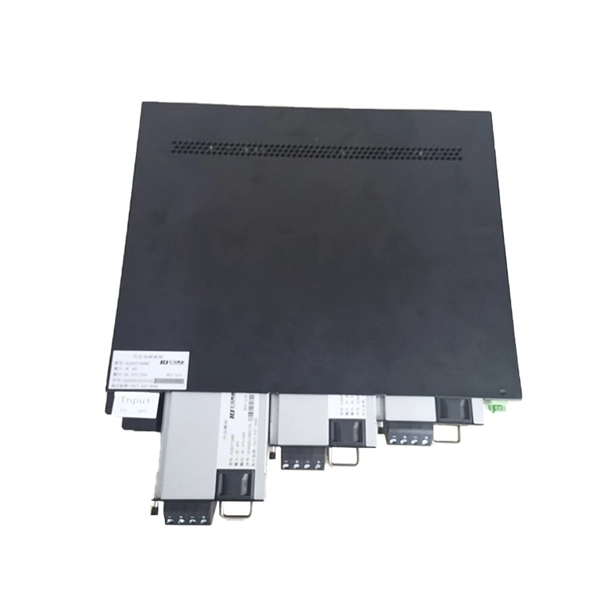
Illustrative equipment image

Electrical Enclosure Temperature Control Guide

Keeping the right temperature inside an electrical enclosure is very important. If it gets too hot, parts can stop working or even catch fire. If it gets too cold, water can form inside and cause

Temperature management in electrical enclosures and

Here is a comprehensive guide to methods and principles for maintaining optimal thermal conditions in enclosures. Why does temperature

How to ensure the life of distribution box in high UV and

Protect the life of distribution box in high UV and extreme temperatures with UV-resistant materials, insulation, ventilation, and regular

Control panels | Distribution boards | Ex | Ex d | Ex de | ATEX

Tailor-made solutions for distributing power in hazardous areas R. STAHL''s system solutions allow electrical energy to be safely distributed and controlled in hazardous areas. Reliable power

WTYJ-PD type distribution box monitoring system

The WTYJ-PD type monitoring instrument complies with the international standard IEC 62053-21/22/23:2020. Through the "cloud-pipe-terminal" integrated

Cooling Electrical and Server Enclosures: Active vs

Safety hazards including potential fire risks E-abel''s comprehensive enclosure solutions address these challenges through advanced enclosure

Temperature controllers from R. STAHL

R. STAHL''s temperature sensors and temperature limiters shut down systems if the temperature is too high or too low. The robust thermal cut-outs are suitable for

Electrical Enclosure IP66 for Extreme Temperatures | Delvalle Box

Electrical enclosures IP66 for extreme temperatures from -60C to +250C, built for high humidity or very dry environments to protect electrical equipment.

What is the method to prevent the temperature of the distribution box

Temperature monitoring: Install temperature sensors or thermal appliances to monitor the temperature of the distribution box. When the temperature exceeds the set threshold, an alarm will be triggered or

Terminal and Junction Boxes (Ex d) | Explosion Protection

Designed to withstand extreme temperatures, EJBX terminal boxes and junction boxes support operation in environments as cold as -60 °C. Customers can have each unit tailored to their

Distribution Box (DB Box) : Complete Guide to Electrical

A distribution box safely distributes electrical power to multiple circuits while providing protection against overloads, short circuits, and leakage.

Single-phase temperature control box

Applications for the economical single-phase temperature control unit This temperature control unit is perfectly suited to a multitude of applications, guaranteeing effective frost protection and optimizing

Temperature rise test of distribution boxes: evaluate the heat

The algorithm fills in the gaps and removes distortions, revealing the true temperature gradients around each busbar, circuit breaker, and connection point. What emerges is a crystal-clear

Understanding Distribution Boxes: A Comprehensive

A distribution box, also known as a power distribution box or electrical distribution box, is used to distribute electrical power safely to multiple

Preventing condensation in distribution boxes: application of heaters

Whether you''re protecting a single control cabinet or an entire facility''s distribution network, a layered approach ensures your systems stay dry, reliable, and operational—no matter

Temperature controllers from R. STAHL

Temperature controls and temperature limiters Temperature monitoring in hazardous areas R. STAHL''s temperature sensors and temperature limiters shut down systems if the temperature is too high or

Transformer Protection: Types, Relays & FAQs Explained

Learn why transformer protection is critical. Explore types of faults, Buchholz & differential relays, temperature limits, and FAQs for engineers &

Control Panel Technical Design Guide (Thermal

Thermal analysis inside the enclosure First of all, it is essential to identify the most delicate devices or functions: the ones that should be given

Share your network requirements

Share the fiber interfaces, termination capacity, cable route and evidence required for handover.

Send a project brief