
Technical notes
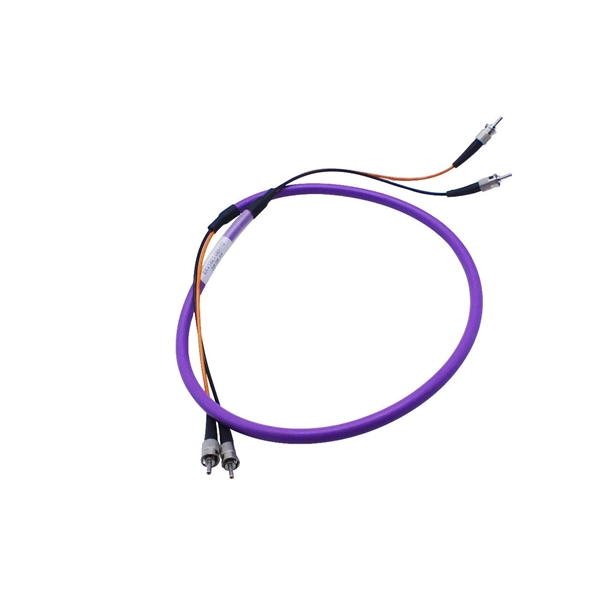
3 types of fiber optic cables: Choosing Between Single Mode, Simplex
Ribbon fiber optic cables integrate multiple fibers in a flat ribbon-like configuration for high-density applications. Durability in high fiber count cables is achieved with robust materials that
Ribbon Fiber Optic Cable
Designed to meet the demands of today''s data-intensive world, these cables are comprised of multiple optical fibers bundles in a flat ribbon format that is high density, lightweight, and durable.
OM3 Multi-Core Ribbon Fiber Optic Cable
It consists of multiple optical fibers (typically 8,12 or more) arranged in a flat ribbon structure, allowing for high-density installations. OM3 fiber is optimized for 850nm VCSEL sources and supports 10Gbps,
Multi-mode optical fiber
Multi-mode optical fiber is a type of optical fiber mostly used for communication over short distances, such as within a building or on a campus. Multi-mode links can be used for data rates up to 800 Gbit/s.
Fiber-optic cable
Individual coated fibers (or fibers formed into ribbons or bundles) then have a tough resin buffer layer or core tube (s) extruded around them to form the cable core.
OM4 Multi-Core Ribbon Fiber Optic Cable
OM4 multi-core ribbon fiber optic cable is a high-bandwidth, laser-optimized multimode fiber solution designed for ultra-high-speed data transmission in data
Selecting the Right Fiber Optic Cable Type | PHILISUN
Ribbon Fiber Construction: Multiple fibers (typically 12 or 24) are encapsulated side-by-side in a flat ribbon structure. This is the highest density construction, enabling rapid mass fusion
CORNING OPTICAL COMMUNICATIONS GENERIC
The 550m distance is equivalent to a 4700 EMB system with standards-compliant transceiver and fiber characteristics, 3.0 dB/km cable attenuation, and 1.0 dB total connector loss.
Types of Fibre Optic Cable: A Comprehensive Guide
Learn about single-mode and multi-mode fiber optic cables, their components, uses, and how to choose the right type for your network needs.
Single-Mode vs. Multi-Mode Fiber Optic Cables
Fiber optic cables form the foundation of these networks, and to optimize performance, you need to ensure the right kinds are in place. Two main categories of cables are single-mode and multi-mode.
Fiber Optic Cable Types: Single-Mode, Multimode, and
Discover fiber optic cable types, including single-mode (OS1, OS2) and multimode (OM1, OM2, OM3, OM4, OM5), indoor/outdoor variants, and how
Understanding Fibre Optic Cable Types: Single-mode
Single-mode and Multimode fibre optic cables are crucial components in various applications, yet distinguishing between the two can be
Ribbon Fiber Optic Cable
Fiber Optic Ribbon Cable Ribbon cables offer higher fiber counts and greater fiber density than any other cable construction designed for the outside plant (OSP), four times the highest-fiber-count
Everything You Need to Know About Multimode Fiber
Learn all about multimode fiber optic cable including types, applications, patch cords, and more. Get the information you need to make
Multimode Fiber Cable: Types, Uses, Advantages & Disadvantages
In this article, we will explain about what is multimode fiber cable with their types, uses, applications, advantages and disadvantages!!
What is the difference between multimode and singlemode fibre optic cable?
Fibre cables vary enormously, in the type of fibre, the construction and materials and the number of fibres present. Optical fibres are extremely thin strands of very high purity silica (glass), which
Fiber-optic cable
A TOSLINK optical fiber cable with a clear jacket. These cables are used mainly for digital audio connections between devices. A fiber-optic cable, also known as an
Single Mode vs Multimode Fiber Cable: Guide to Fiber Optic Cable
Single Mode vs Multimode Fiber Cable: Compare core size, bandwidth, distance, cost, and best use cases to help you choose the right fiber cable for your network.