
Technical notes
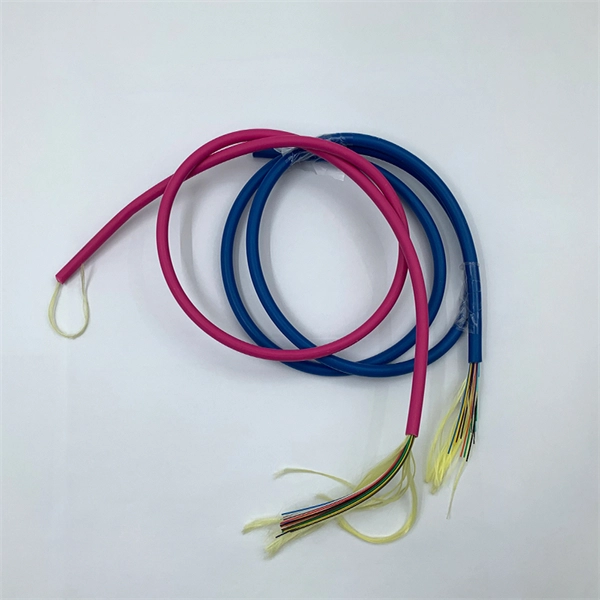
Optical Splitters Demystified: The Silent Heroes Powering Your FTTH
While the optical splitter handles the distribution, the optical transceivers are the tireless engines powering the data. For network engineers and ISPs, choosing a trusted partner for both
Comprehensive Guide to Optical Splitters
The optical splitter is usually connected to other optical devices or equipment through optical fiber. These connection interfaces will introduce insertion loss of the optical signal.
PLC Splitter: The Ultimate Guide to Efficient Light Distribution
For demanding applications requiring maximum performance, pairing a high-quality splitter with a premium optical transceiver module can significantly enhance your network''s reach
Fiber Optic Splitter: How It Works & Types Guide
Unlike active devices (which require power), splitters operate without electricity, relying solely on the physics of light to distribute signals—a feature that reduces costs and improves
Optical Splitters: Split Ratios, Splitting Architectures & PON Network
By dividing a single optical signal from a central Optical Line Terminal (OLT) into multiple outputs for Optical Network Terminals (ONTs) at users'' homes, splitters eliminate the need for
Ultimate Guide to Optical Splitters for FTTH & GPON
Without optical splitters, every subscriber would require a dedicated fiber connection from the central office, dramatically increasing fiber consumption, installation costs, and maintenance
Optical multi-speed splitting
For 10 lane multi-fiber optical transceivers with MPO24 connectors optical splitter cables can split the signal into 12 cable pairs, providing access to all 24 fibers in the MPO24 connector.
How to Use Optical Couplers and Splitters in Fiber Networks
Optical couplers can split or join signals in fibers. You can connect many users to one port with 1:n or 2:n splitters. These devices work both ways, which helps strong network
What Is an Optical Splitter?
The optical splitter can be terminated with different forms of connectors, and the primary package could be box type or stainless tube type. Fiber splitter box is usually used with 2mm or 3mm
Understanding Optical Coupler and Optical Splitters
Fiber optic couplers are those devices which either split optical signals into multiple paths or combine multiple optical signals in one path. Optical signals are comprised of photons and are
Can you use a splitter on optical cable?
When connecting the splitter, ensure that it is securely plugged into the optical source and the devices you want to connect. Loose connections can result in
Fault summary of fiber optic transceivers
Fiber optic transceivers are essential components in modern network infrastructures, facilitating the conversion and transmission of data between
A Guide to Transceiver and Cable Breakout Connectivities
Breakout Connection Implementation Methods Transceivers and Fiber Optic Cables This method utilizes high-speed optical transceivers paired with breakout fiber cables or two fiber jumpers
Fundamentals of Optical Splitters » SENKO Advanced Components, Inc.
Optical splitters enable the distribution of light signals from a single input to various servers, ensuring efficient data routing within the data center infrastructure. Cable Television (CATV) Networks Optical
PART I: CHOOSING THE RIGHT TRANSCEIVER FOR YOUR
Fiber optic transceivers are essential in today''s networks and advanced developments in transceiver technology will continue to meet the data needs of the future. To aid in the task of choosing the right
Fiber Optics Demystified: How To Choose a
LC connectors are the most commonly used on transceivers, though MPO and RJ-45 connections are also available when needed. Being sure that you can make the connection between
What is an Optical Transceiver? – VCELINK
How Does an Optical Transceiver Work? The optical transceiver is essential in fiber optic communication for transmitting and receiving data. In
Your Go-to Guide to Optical Splitter
The optical splitter is an optical power distribution device that splits one optical signal into multiple optical fiber signals to achieve multichannel transmission.
Related Video Reference
This video was associated with the source search result. Verify technical details against current product documentation and project requirements.