
Technical notes
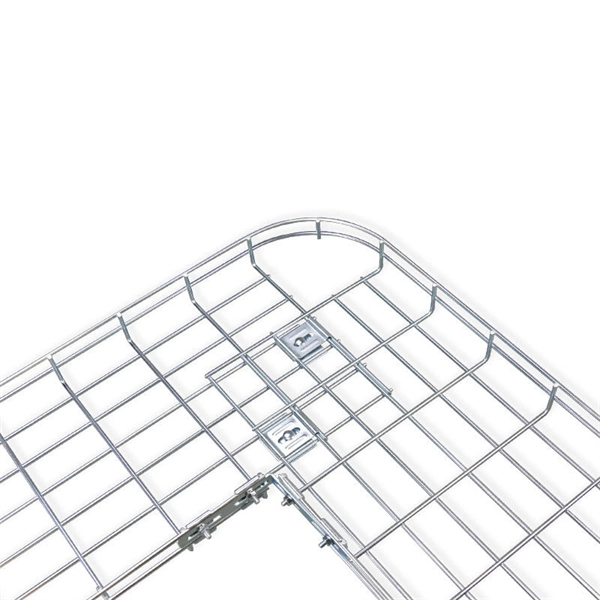
Explosion Proof Cable Trays in Chemical Plants
Essential guide to explosion proof Cable Trays in Chemical Plants. Learn about tray zoning, materials, design, installation, & safety for hazardous
Explosion proof conduit systems
Our products include metallic and nylon flexible conduits and fittings meeting the strictest worldwide standards for use in explosive hazardous atmospheres including ATEX/IECEx, UL/CSA and EAC Ex.
Specifying Cable Infrastructure in Hazardous Locations per NEC
When coming out of the cable tray, and the connection is less than six feet away to an end device such as a motor, cables with an ER rating can be used if they are properly supported and given adequate
Equipotential bonding in hazardous areas | DEHN
Protect your equipment and systems safely and reliably: With equipotential bonding bars, pipe clamps and terminals that are specially designed for equipotential
Explosion Proof Conduit & Cable Fittings
HEXLON conduit & cable fittings are engineered for cable routing, conduit interconnection, airtight sealing and cable ingress sealing within hazardous
Explosion-Proof Cables | EX Industries
Explore EX Industries'' certified explosion-proof cables designed for hazardous environments. Ensure safety and compliance with our high-quality solutions.
Cables and Lines for Hazardous Areas
If the cables in explosive areas are exposed to ultraviolet (UV) rays, the cable''s UV resistance is a very important characteristic. If a cable is not UV-resistant, it will lose its steadiness when exposed to UV
Cable Trays In Hazardous (Classified) Locations | Cable Tray Institute
This cable can be installed in cable trays in Division 1 locations and can also provide fire protection. Cable tray systems must comply with article 318 with respect to ampacity, grounding, fill, spacing and
Explosion-proof electrical plant: conduit installation
This increased safety enclosure, in order to avoid the transmission of the flame, is connected to an explosion-proof enclosure, which contains electrical equipment
Explosion Proof Conduit Installation Guide | PDF | Pipe (Fluid
EX-PROOF ELECTRICAL PLANT: CONDUIT INSTALLATION Once, all electrical explosion proof plants were made according to the "American" system. This meant that all connections between the various
Explosion-proof Fittings-SUREALL
Connect Cable And Conduit Explosion proof fittings is structured with flame proof body, connector and thread to connect cable and conduit, increased safety cable gland to fix the cable to protect the
Principles for Connecting Explosion-Proof Distribution
Explosion-proof systems, especially in hazardous environments, demand a meticulous approach to ensure safety and compliance with regulations. This
Explosion Proof Fittings Manufacturer, Hazardous Location Fittings
As a explosion proof electrical fittings manufacturer, SUREALL provides different types of explosion proof pipe. SUREALL innovated the advanced machining and testing technology to ensure the
Cables and Lines for Hazardous Areas
Cables and Lines for Hazardous Areas Significance of the decision which cables and cable glands can be used for ex-applications / Responsibility of the installer and operator Properties of cables and
Cables and cable glands for hazardous locations
Cable glands (cable entry devices) used in hazardous locations are intended to provide the safe connection of suitable cables to enclosures, maintaining the explosion protection and ingress
Explosion proof conduit systems
Explosion protective conduit & fittings Our products include metallic and nylon flexible conduits and fittings meeting the strictest worldwide standards for use in explosive hazardous atmospheres
Explosion Proof Basics on Cables in Wiring System & Installation
Electrical equipment in hazardous areas may be weird using cable having metallic or non-metallic sheath, or weird in conduit.
Explosion Proof Electrical Fittings | Explosion Proof Feedthrough
We can customize these explosion proof conduit seals in terms of wires, cables, connectors, circuit boards, fiber, or some combination thereof. Partnering with Douglas Electrical Components for your
Related Video Reference
This video was associated with the source search result. Verify technical details against current product documentation and project requirements.