
Technical notes
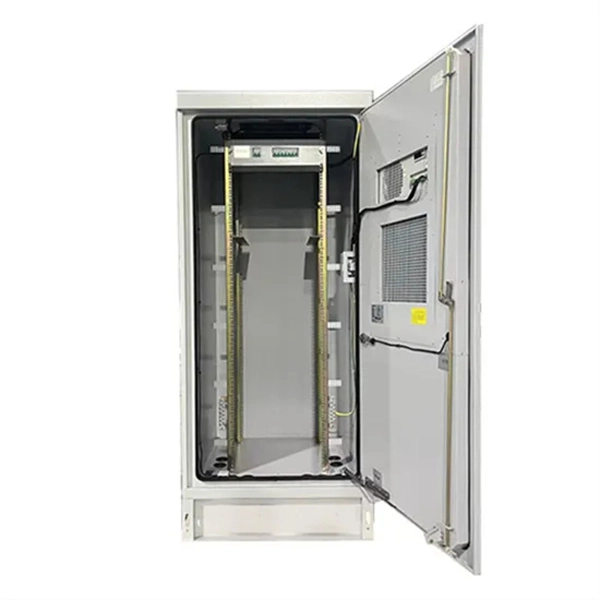
Explosion-Proof Distribution Boxes for Hazardous Areas
Expert guidance on specifying, installing, and maintaining explosion‑proof distribution box solutions for hazardous areas. Learn best practices, standards (ATEX, IECEx), connector selection,
Explosion Proof Enclosures | Complete Hazardous Area
Learn everything about explosion proof enclosures for hazardous areas—design, certification, and industrial applications with ATEX, IECEx, and Class I Div
Explosion Proof Enclosure Comprehensive Guide
The construction of explosion-proof enclosures conforms to very high safety design requirements as specified by the National Electrical Code (NEC) or the International Electrotechnical
Design Of Explosion Proof Terminal Boxes For Power Distribution
Explosion-proof terminal boxes are commonly offered with multiple installation methods, including hanging type, embedded mounting, and heat tracing bracket configurations.
Terminal and Junction Boxes (Ex d) | Explosion Protection
To meet diverse installation requirements, a variety of enclosure dimensions, terminals, and cable gland options are available. The modular design allows for tailored configurations that align with specific
Explosion-Proof Terminal Box Design for Hazardous
In this blog post, MINMILE, as high performance explosion-proof equipment exporter, will share design of explosion proof terminal boxes for
Control Panels & Distribution Boards
To provide and protect Low Voltage Power Distribution networks from harsh environmental conditions and explosive atmospheres common to the onshore
Explosion-Proof Distribution Boxes & Panels Manufacturer
Certified Explosion-Proof Distribution Box An explosion-proof distribution box is a rugged enclosure for hazardous areas, safely delivering power while preventing sparks or heat from igniting flammable
Model and Specification of Explosion-Proof Distribution Box
Explosion-proof lighting distribution boxes and cabinets come in a variety of models. They vary in terms of materials, including metal and flame-retardant plastic...
Energy Distribution
Options range from Ex d (flameproof enclosure) to Ex e (increased safety) and Ex i (intrinsically safe) right through to Ex p (pressurized housing), as well as
Explosion-Proof Electrical Distribution Boxes: Applications in
Explosion-proof electrical distribution boxes are essential for safety in hazardous environments. These specialized enclosures are built to contain internal explosions and stop the ignition of flammable
Explosion proof distribution box standards and installation issues
Explosion-proof distribution boxes are mainly used in coal mines, fire stations, petroleum, petrochemical installations and textile and other flammable and explosive places. These places are more prone to
Ex d Enclosures: Understanding the Standards
When specifying explosion-proof (Ex d) enclosures to house electrical apparatus for use in explosive atmospheres, engineers must ensure they fully understand the implications of modifying
Explosion-Proof Junction Box for Hazardous Areas
Explore the features, working principles, and benefits of an Explosion-Proof Junction Box — essential for safe electrical connections in
Ex-d Junction Box Aluminium: Complete Guide to
Conclusion: Investing in Safety and Reliability Selecting the right explosion proof junction box is not merely a procurement decision but a fundamental safety
Certified Explosion-Proof & Flameproof Enclosures | Ex
Explore ATEX/IECEx-certified explosion-proof & flameproof enclosures for hazardous areas. Reliable protection for Class I & II Div 1 zones.
Code of Practice for Operating Explosion-Proof Power
In summary, these five points are essential in the installation process of explosion-proof power distribution boxes, including the installation of surge
Power Distribution Systems | Explosion Protected | R. STAHL
Evolution in Power Distribution For decades, the only explosion protection technology available in North America was the cast metal enclosure systems designed for Class I, Division 1 environments, also