
Technical notes
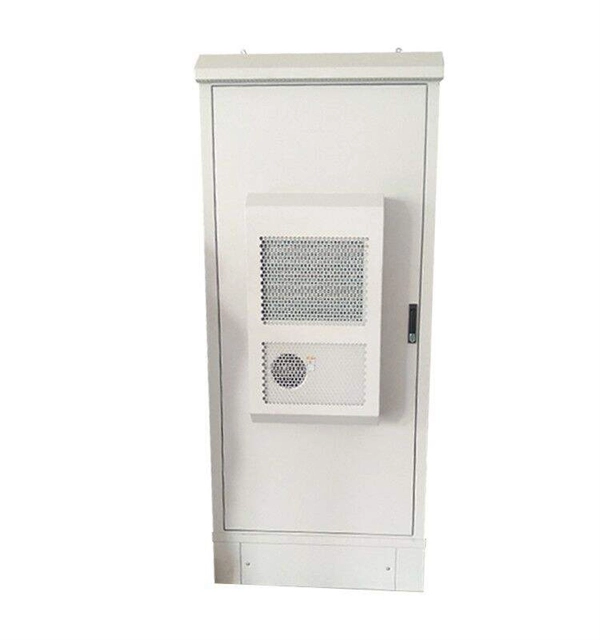
Explosion Proof Distribution Box & Electrical Enclosures
Choose our explosion-proof solutions, choose safety. Durable Hexlon Explosion Proof Distribution Boxes and Electrical Enclosures, IECEx and ATEX certified for Zone 1 and Zone 2.
Technical Specification for Explosion Proof Cabinets: A Guide
Compliance with essential regulatory standards and certifications is non-negotiable for explosion proof distribution cabinets. These standards provide a framework for electrical safety in
Explosion Proof Enclosures | Complete Hazardous Area Guide
Learn everything about explosion proof enclosures for hazardous areas—design, certification, and industrial applications with ATEX, IECEx, and Class I Div compliance.
Top 3 Facts About Explosion Proof Distribution Box & Electrical
In this article, we will explore three key aspects: certification standards, material selection, and application-specific design considerations. Explosion proof enclosures keep people and
Ex Equipment
Within the EU, the ATEX directive, which determines the safe operation of plants and systems in potentially explosive atmospheres, is effective for this purpose.
Explosion-Proof Distribution Boxes: Special Installation Requirements
Unlike standard distribution boxes that could become shrapnel shards in volatile environments, explosion-proof containers are engineered fortresses that absorb, contain, and vent
Explosion Proof Ratings: NEC, ATEX & IECEx Guide
“Explosion-proof” specifically means the equipment enclosure is designed to contain any internal explosion and cool hot gases before they exit —
Terminal and Junction Boxes (Ex d) | Explosion Protection
Designed to withstand extreme temperatures, EJBX terminal boxes and junction boxes support operation in environments as cold as -60 °C. Customers can have each unit tailored to their
Requirements for electrical installations in Ex zones
This article discusses requirements for companies and installers when designing and installing electrical systems in hazardous areas.
Requirements for Explosion-proof Distribution Boxes and Panels
This guide will explore the key features, benefits, types, and selection criteria for explosion-proof distribution panels to help you make informed decisions when choosing one for your facility.
What is Explosion Proof? A Look Into Control Panels
Examples of Explosion-Proof Enclosures One example of explosion-proof standards is shown by ADALET enclosures'' products. The company
Requirements for electrical installations in Ex zones
Enclosures of explosion-proof equipment should be made of chemical-resistant materials, and protective coatings are additionally recommended. Moisture –
Energy Distribution
BARTEC offers one of the most extensive ranges of explosion-proof and substance-resistant components, devices, and systems for controlling, switching, and connecting for hazardous areas
Explosion-Proof Equipment: What to Use to Determine Hazardous
In my columns on hazardous locations, I didn''t get around to equipment. For many years, Class I and Division 1 classification meant the design was going to call for explosion-proof equipment,
Basic concepts for explosion protection
Explosion proof equipment is able to exclude one of the preconditions for an explosion - the ignition source - and is in that way an important contribution to explosion protection.
Explosion-proof box and its types: comprehensive guide for selection
Explosion-proof box and its types: comprehensive guide for selection and use In many industries, including oil and gas, mining, petrochemical, pharmaceutical and food industries, there is
Ex-d Junction Box Aluminium: Complete Guide to Explosion Proof
Conclusion: Investing in Safety and Reliability Selecting the right explosion proof junction box is not merely a procurement decision but a fundamental safety investment. Ex-d aluminium enclosures
Explosion-Proof Electrical Box: Principles, Selection, and Industrial
Explosion-Proof Distribution Box: Used for power distribution and circuit protection, equipped with breakers or fuses. Explosion-Proof Control Box: Controls the start, stop, and