
How can one identify a broken fiber optic cable?
To identify a broken fiber optic cable, start by performing a visual inspection for any physical signs of damage, such as bends, cracks, or breaks...
Search optical fiber, connectivity, cable management and network infrastructure references.
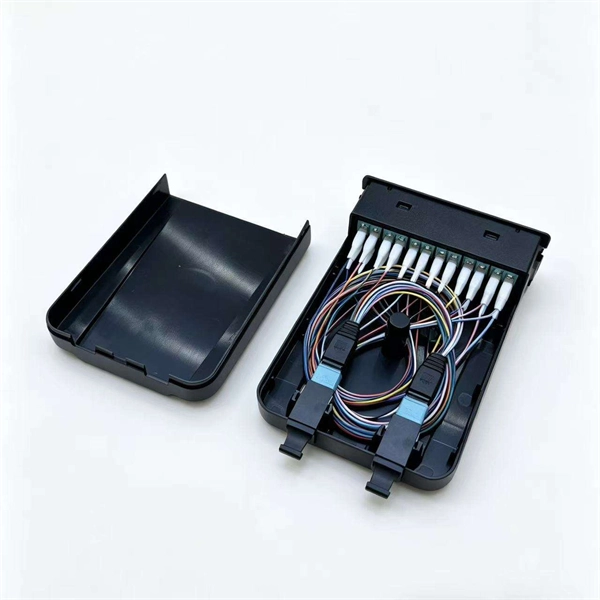
Fiber optic testing tools are essential for ensuring network reliability, performance, and proper installation. Devices such as Optical Power Meters, OTDRs, and Visual Fault Locators help technicians measure signal loss, locate faults, and verify fiber integrity. The simplest...
[PDF Version]
In September 2012, NTT Japan demonstrated a single fiber cable that was able to transfer 1 per second (10 bits/s) over a distance of 50 kilometers. Although larger cables are available, the highest strand-count single-mode fiber cable commonly manufactured is the 864-count...
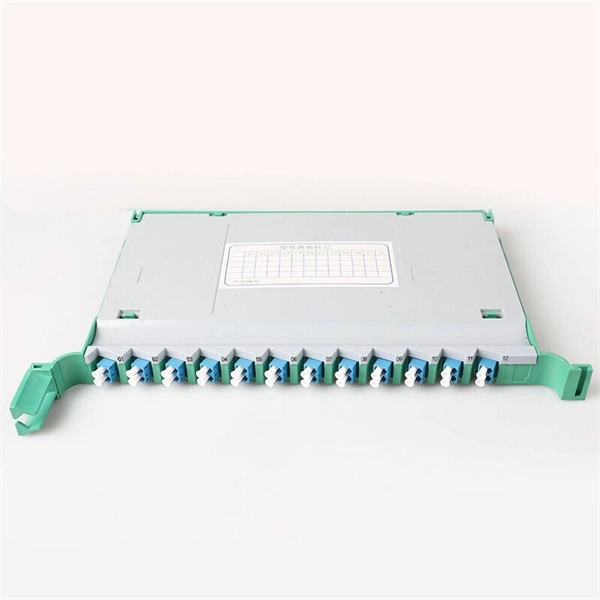
Patch cords are classified by transmission medium, connector construction, and construction of the connector's inserted core cover. Single-mode fiber is generally yellow, with a blue connector, and a longer transmission distance. Multi-mode fiber is generally orange or grey...
Most modern fiber-enabled network switches require an SFP transceiver module featuring a duplex (two strand) multimode OM3 or duplex single mode OS2 connection with LC connectors. Direct attach cables with pre-terminated SFP connections may also be used. Download the...
[PDF Version]
Fiber Optic Troubleshooting: Expert Guide for Common Troubleshoot fiber optic issues like a pro with our expert guide. Resolve common problems and ensure s.
[PDF Version]To identify a broken fiber optic cable, start by performing a visual inspection for any physical signs of damage, such as bends, cracks, or breaks...
There are several methods to test fiber optic cables without a tester. One method is using a visual fault locator (VFL), as mentioned earlier, to v...
Intermittent fiber optic connections can be caused by a variety of factors, including: Poorly terminated connectors or splices that result in unsta...
Most modern fiber-enabled network switches require an SFP transceiver module featuring a duplex (two strand) multimode OM3 or duplex single mode OS2 connection with LC connectors. Direct attach cables with pre-terminated SFP connections may also be used. SFP Transceiver...
[PDF Version]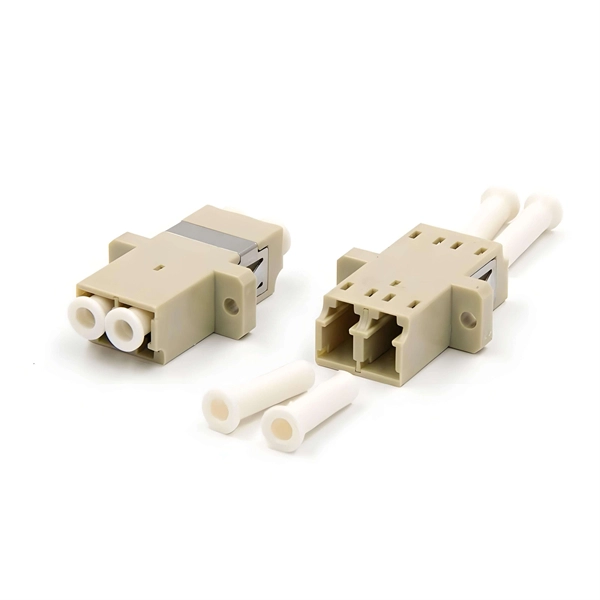
Summary: Fibre optic cables come in various types depending on a specific networking demand. They are of the two main categories: single-mode for high-speed transfer over long distances and multi-mode for shorter lengths within buildings or campuses. Unlike copper wires...
[PDF Version]
Learn how to install a fiber optic termination box step-by-step for FTTH projects. Covers mounting, splicing, routing, labeling, and testing for indoor/outdoor use. They also feature resistance to moisture, impact, chemical exposure. Fiber Termination Boxes (FTBs) are crucial...
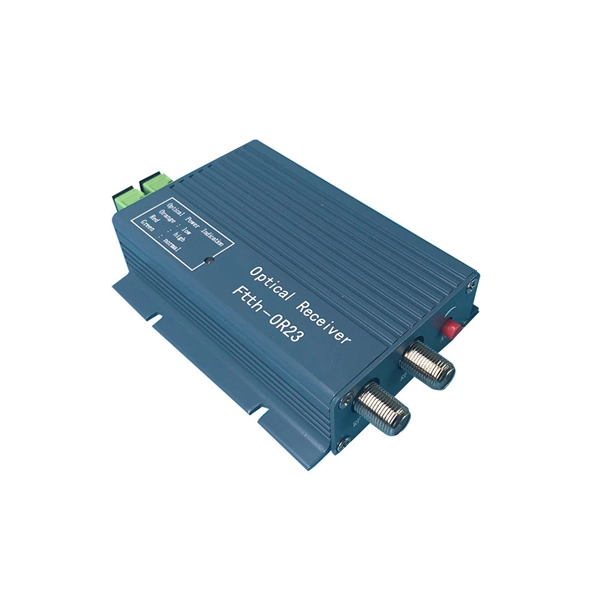
Centralized splitting means that the optical splitter is centrally distributed in the fiber distribution box, one end connects directly to the OLT via a single fiber, while the other end connects to multiple ONTs at the user side through multiple fibers. This type of device...
[PDF Version]Share the fiber interfaces, termination capacity, cable route and evidence required for handover.