
Technical notes
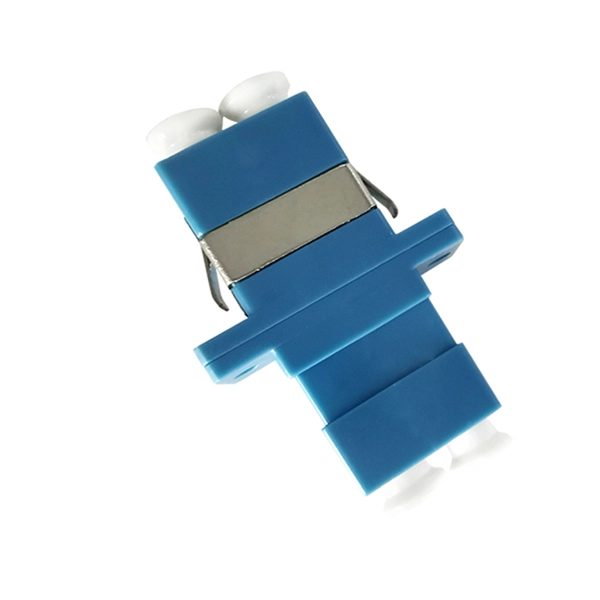
SFP Fiber Optic Connector Types: LC, SC, MPO Explained
Fiber optic connectors in SFP modules are the physical interfaces that connect the transceiver to fiber patch cables, enabling optical signal transmission between network devices.
Fiber Interface Types and Selection Guidelines for Industrial Switches
For example, fiber optic interfaces with good sealing performance and anti vibration design, such as some specially designed SC or FC interfaces, can adapt to harsh environments and
Networking Interfaces and Cables Explained | PingLabz
Learn the difference between copper and fiber cables, how interfaces connect devices, and how to choose the right Ethernet cable for performance and reliability.
Interfaces and Cables | ccna-notes
It allows deviced to automatically detect which pins their neighbor is transmiting data on, and then adjust which pins to use to transmit/receive data. In addition to using ALL pairs of wires, each pair is BI
Fiber Optic Interfaces
Explore fiber optic interfaces at Octopart Electronic Parts. We offer fiber optic ICs from brands like ATGBICS, Avago, and Broadcom. Find fiber optics distributors today.
Fiber Optic Connector Types Guide | LC, SC, MPO, ST
Fiber optic connectors might be small, but they play a big role in ensuring fast and reliable data transfers. They link fiber optic cables, allowing data to move quickly
Fiber Optic Cable Types – Multimode and Single Mode
Fiber Optic Cable Types – Multimode and Single Mode Application Fiber Optic connectors and cables are present in nearly every communications
Understanding Fiber Optic Cables and Connectors
Understanding Fiber Optic Cables and Connectors in Modern Networks This whitepaper takes a deeper look into the various fiber optic cable and connector
Fiber Optic Cable Types Explained: Choosing the Right Fiber Cable
Explore different types of fiber optic cables, from single mode to armored and LC uniboot options. Learn how to choose the right fiber jumper for your data center, telecom, or FTTA
Compare Physical Interface and Cabling Types
SFPs handle signal conversion between optical and electrical signals and serve as interfaces for communication devices such as switches, routers, and fiber optic cables.
Basics of Fiber Optics
Lower loss: Optical fiber has lower attenuation (loss of signal intensity) than copper conductors, allowing longer cable runs and fewer repeaters. No sparks or shorts: Fiber optics do not emit sparks or cause
Fiber optical module and common knowledge of optical interfaces
In addition to the different types of optical interfaces, there are also different types of fiber optic connectors, including single-mode and multimode connectors. Single-mode connectors are
Fiber Optic Connector Types: A Beginners Guide
The fiber connector types, sometimes referred to as terminations, link fiber optic cables together through terminals, switches, adapters, and patch
Fiber Optic vs Ethernet Port Differences: Connectors
The optical fiber interface is the physical interface used to connect optical fiber cables. The principle is that the light enters the light-sparse medium from the
A Complete Guide to Fibre Optic Cables | RS
Far less electricity is also used by fibre optic LED lighting compared to standard bulb options, which makes it both environmentally friendly and
Types of Fiber Optic Cable Connectors and Their Uses
Connectors, also called terminations, link cables together with a secure connection that permits pulses to travel through the cable without interruption. To accommodate different applications, there are
Fiber Optic Cable Types Explained
Our comprehensive guide to types of fiber optic cables. Learn all about the differences between single mode and multimode cables, as well as the various fiber wavelengths and standard core sizes used
Fiber Optic Cables
We provide MPO fiber optic cables that use a connection that can handle many fibers in a single interface. In comparison to a connector of the same size, our multi-fiber cables offer up to 12 times
Related Video Reference
This video was associated with the source search result. Verify technical details against current product documentation and project requirements.