
Technical notes
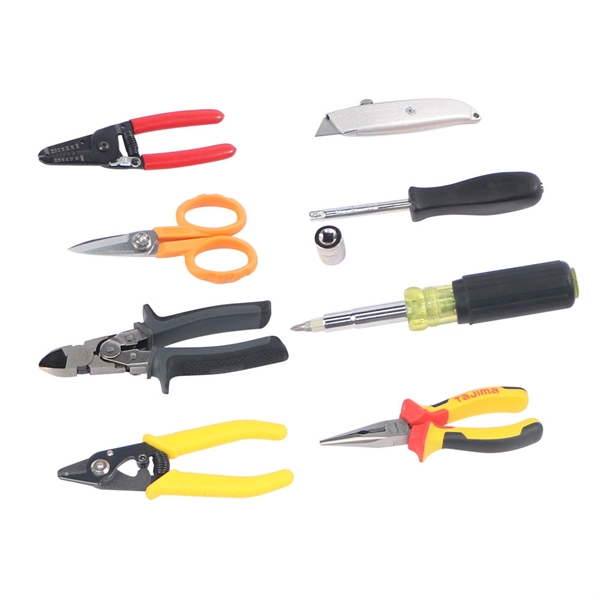
4 Methods of Fiber Connection You Need to Know
This blog introduces 4 Methods of fiber connections, including: Active Connection, Cold Splicing, Fusion splicing and Physical Connection.
How to Connect Fiber Optic Cable: Comprehensive Guide
This article will guide you through the necessary tools, materials, and methods on how to connect fiber optic cables effectively, ensuring you achieve
Master Your Fibre Optic Installation: Step-by-Step Best Practices
This comprehensive guide delves into the intricacies of fiber optic installation, exploring topics ranging from cable types and pre-installation considerations to execution, safety protocols,
Fiber Internet Installation: Step-by-Step Guide (2026)
For a fiber optic connection, you need an optical network terminal (ONT), a router, and appropriate Ethernet connections for wired devices. Your
Fiber Optic Cable Types: A Complete Guide
The plethora of fiber optic cable types can seem overwhelming, but choosing the right cable for the job is important. Read on to learn what fiber optic
A Step-by-Step Guide to Fiber Optic Cable Installation
This beginner-friendly guide will walk you through the step-by-step process of fiber optic cable installation for each method, highlighting best
Fiber Optic Connector Types: A Beginners Guide
Fiber optic connectors can be categorized according to different standards such as utilization, fiber count, fiber mode, and transmission method.
Fiber Connector Types: A Comprehensive Guide 2025
Discover the common fiber connector types. Learn the differences, uses, and best practices for SC, LC, ST, FC, MPO/MTP connectors.
Complete Guide to Fiber Optic Home Networking | BroadbandSearch
Build a home fiber network for 1-2 Gbps speeds with this complete guide to installation, troubleshooting, and performance.
Fiber Optic Cable Installation and Handling Instructions
The information contained in this manual should serve as a guide to proper handling, installing, testing, and for troubleshooting problems with fiber optic cables.
Fiber Optic Cable Splicing Methods: A Practical Guide
While this guide provides a solid overview of fiber optic cable splicing, the successful execution of these methods requires extensive training, hands-on experience, and a significant
The FOA Reference For Fiber Optics
Even within communications applications, we have applications that differ widely in usage and in methods of installation. We have "outside plant" fiber optics as
Everything you need to know about fiber optic termination
Different connectors and splice termination procedures are used for singlemode and multimode connectors, so make sure you know what the fiber will be before you
How to Connect Fiber Optic Cable: Comprehensive Guide
Master how to connect fiber optic cable with our detailed guide. Step-by-step instructions to ensure you achieve the best performance and reliability in your setup.
101 Guidelines for Fiber Optic Cable Installation
A fiber optic cable should be tested three separate times during an installation: on the reel, the splicing test, and the final acceptance test. Extreme caution should be observed when performing an aerial
Fiber Optic Cable Installation and Handling Instructions
Introduction Fiber optic cables can be easily damaged if they are improperly handled or installed. It is imperative that certain procedures be followed in the handling of these cables to avoid damage
What Is Fiber Optic Cable Splicing? A Beginner''s Guide
Fiber optic cables are critical telecommunications facilities. We need to connect two fiber optic cables when they are accidentally cut or lengthened.
How to Install Fiber Optic Cable: Step-by-Step Guide
Learn how to install fiber optic cable with Network Drops'' easy step-by-step guide. Follow the process for quick and effective results.
Related Video Reference
This video was associated with the source search result. Verify technical details against current product documentation and project requirements.