
Technical notes
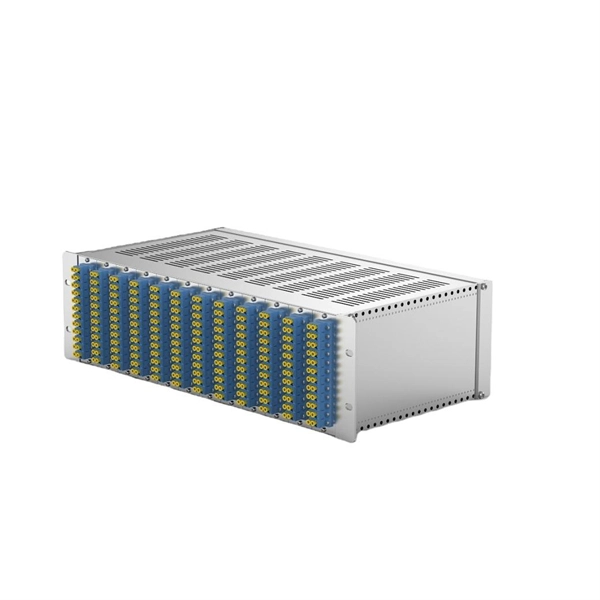
Bending radius calculation: Systematic methods for fiber optic
Bending radius calculation for fiber optic installations: Systematic methods, standards and practical examples for standard-compliant fiber routing in modular systems.
The FOA Reference For Fiber Optics-Installing Fiber Optic Cable
All fiber optic cables have specifications that must not be exceeded during installation to prevent irreparable damage to the cable. This includes pulling tension, minimum bend radius and crush
Fiber Cable Bend Radius Engineering Limits and
Fiber optic cable bend radius is a critical mechanical parameter that determines how sharply a cable can be bent without risking microbending,
Fiber Optic Cable Bend Radius: What Is It & Why It
Worried about damaging fiber optic cables during installation? Learn how to calculate fiber optic cable bend radius to protect your network.
Fiber Optic Bend Radius: Best Practices, Installation Guidelines, and
Ignoring the minimum bend radius for fiber optic cable can result in signal loss, increased attenuation, and long-term reliability issues. This article provides a practical, installation-focused
Fiber Optic Bend Radius Standards 2025 – Topfiberbox
Follow 2025 fiber optic bend radius standards: 20x cable diameter during installation, 10x after, to prevent signal loss and cable damage.
Fibre Optic Bending Radius Standards | Fiber Products
Learn minimum fibre optic bending radius requirements, ITU-T standards and bend protection best practices for error-free installation from Fiber Products.
Fiber Optic Cable Bend Radius Guide | PHILISUN
Plan fiber optic cable bend radius by cable structure, routing path, installation method, attenuation risk and specification needs.
Duct Installation of Fiber Optic Cable
Such equipment includes sheaves, capstans, and bending shoes designed for use with fiber optic cable. Split cable guides and split 40-in sheave wheels are available to facilitate entry and exit from manholes.
The FOA Reference For Fiber Optics
Topic: Fiber Optic Cable Table of Contents: The FOA Reference Guide To Fiber Optics Fiber Optic Cable Cable Types: (L>R): Zipcord, Distribution, Loose Tube,
Manage Bend-radius in Cables » SENKO Advanced
In densely packed environments like data centers or telecommunications facilities, fiber cables require precise management to avoid excessive stress, maintain
Duct Installation of Fiber Optic Cable
Automated figure-eight machines that coil fiber optic cable on a drum may exceed cable design limits by exceeding torsion, tension, and bend radii limitations. Do not use automated figure-eight machines
The Ultimate Guide to Fiber Bending Loss
Discover the latest techniques and best practices for reducing fiber bending loss and ensuring high-quality signal transmission in optical communications.
Various bend loss measurement in optical fiber cables
One of the major factors influencing this is macro bending losses. Hence it is important we analytically and with help of numerical methods investigate various losses optical fiber cable. Primarily this paper
How to Avoid Crushing Fiber Cable During Installation
Industry standards clearly define the maximum pulling force for fiber optic cables. For most outside plant fiber, installation load is limited to below 600 lbf (2700 N).
(PDF) Reduction of Optical Fiber Loss and Signal Scattering Using
It was observed that the number of turns of Optical Fibre cable impacts on the bending as higher turns of Optical Fibre cables experienced greater signal loss.
What are the Effects of Bending on Optical Fibers and Cables?
Improper installation methods adopted during deployment will also lead to microbending loss. Cable bending during installation and after installation are the two major mechanical
Can You Bend Fiber Optic Cable? A Guide to Safe Bending Practices
In summary, all fiber optic cable can be bent with appropriate diligence and procedure both during placement and once permanently installed. By maintaining industry and manufacturer
Related Video Reference
This video was associated with the source search result. Verify technical details against current product documentation and project requirements.