Skip to content
QK FIBERSystems Send a project enquiry
Reference library

Fiber Optic Cable Connector Fabrication Scheme

Published
  • Fiber
  • Optic
  • Cable
Source context

AI source overview

Fiber optic connectors enable precise alignment and coupling of optical fibers, while fabrication methods ensure low-loss, high-reliability connections for diverse applications.

Fiber Optic Connectors

Fiber optic connectors are mechanical devices that join optical fibers, allowing light to pass with minimal loss and enabling easy connection and disconnection for maintenance or network reconfiguration. Key connector types include: SC (Subscriber Connector): Square-shaped with push-pull coupling, widely used in FTTH and data centers. SC/APC variants provide low return loss for RF video and GPON networks.

L

C (Lucent Connector): Miniaturized version of SC with a 1. 25 mm ferrule, ideal for high-density applications. It uses a latch mechanism similar to RJ45 plugs.

S

T (Straight Tip): Bayonet-style connector with a 2. 5 mm ferrule, suitable for multimode and single-mode fibers. It prevents over-tightening and typically achieves insertion loss around 0.

3 dB.

F

C (Ferrule Connector): Threaded connector for high-vibration environments, often used in telecom and instrumentation. MPO/MTP: Multi-fiber connectors for high-density applications, commonly used in data centers. Connectors also differ by polishing style, which affects signal reflection and insertion loss: PC (Physical Contact): Standard flat contact.

UP

C (Ultra Physical Contact): Enhanced polish for lower back reflection.

AP

C (Angled Physical Contact): Angled end-face to minimize return loss, ideal for high-precision applications.

Fabrication and Termination Methods

Proper fabrication ensures reliable optical performance. Common methods include: Fiber Cleaving: Produces a mirror-flat fiber end by scribing and breaking the fiber. Quick cleaving is essential for low-loss connections.

Polishing: After cleaving, the fiber tip is polished to remove imperfections. Polishing can be manual or automated, depending on precision requirements. Mechanical Splicing: Aligns and mates two fiber ends using a splice holder and index-matching fluid to reduce back reflections.

Reusable and suitable for temporary connections. Fusion Splicing: Physically melts two fiber ends together, creating a permanent, low-loss joint. This method is preferred for long-haul or high-reliability networks.

Connector Assembly: Involves inserting the fiber into a ferrule, securing with adhesive or crimping, and polishing the end-face. Environmental considerations, such as temperature, humidity, and vibration, are critical for harsh-environment assemblies.

Cable and Connector Considerations

Fiber optic cables consist of a core, cladding, and buffer coating. Single-mode fibers have narrow cores (≈9 µm) for long-distance, high-fidelity transmission, while multimode fibers have larger cores (50–65 µm) for short-range applications. Connector selection must consider: Fiber type (single-mode vs multimode)Number of fibers (simplex, duplex, or multi-fiber)Coupling mechanism and environmental requirementsJacket type (OFNR, OFNP, LSZH) for fire safety and mechanical protection Best PracticesInspect fiber ends after cleaving or polishing to ensure smooth surfaces.

Use appropriate ferrule and connector types for the application. Follow environmental and dimensional standards for cable assemblies. Minimize insertion loss and back reflection by selecting proper polishing styles and splicing methods.

By combining the right connector type with precise fabrication methods, fiber optic systems achieve high performance, reliability, and flexibility across telecommunications, data centers, and industrial applications.

Research context

Reference summary

FIBER OPTIC CABLE ASSEMBLY MANUFACTURABILITY AND The purpose of this document is to define the standards and guidelines that should be followed in order to.

From reference to enquiry

Questions for your project

Use these editorial prompts alongside the linked excerpts. They identify items to confirm for your project.

Technical notes

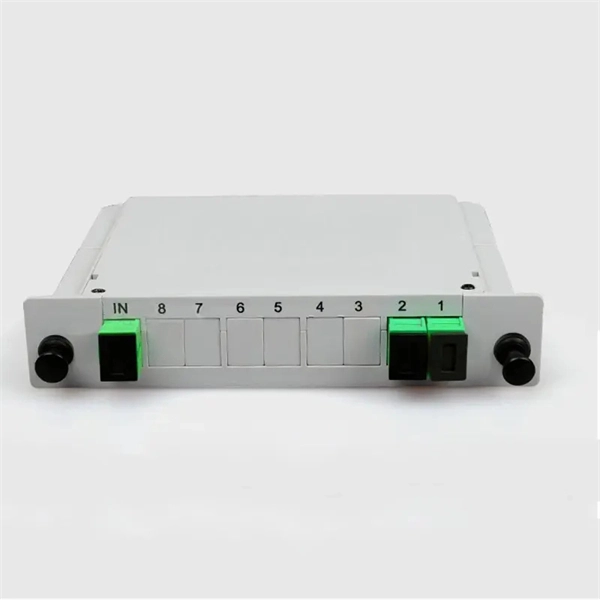
Illustrative equipment image

FIBER OPTIC CABLE ASSEMBLY MANUFACTURABILITY AND

The purpose of this document is to define the standards and guidelines that should be followed in order to fabricate a harsh environment fiber optic cable assembly.

Fiber Optic Cable Assembly Manufacturability and Design Guide

world-class fiber optic connector and cable assembly manufacturer. Bill has over 21 years of hands-on experience in planning, executing, and accomplishing various tasks associated with product

Key Components & Specifications of Fiber Optic Connectors

This article series introduces engineers and technicians to various aspects of the production process to manufacture world-class fiber optic cable assemblies (also known as fiber

Design Guide

In addition to our wide range of catalog (ASAP) Fiber Optic Cable Assemblies, Glenair offers turnkey, build-to-print fiber optic cable harnesses, breakout, and junction box assemblies.

Essential Guide to the Construction of Optical Fiber Cables

Optical fibers are constructed using a precise process involving a core, cladding, coating, strengthening fibers, and an outer jacket. This guide will explain the construction of optical fiber,

Handbook – Optical fibres, cables and systems

Link attributes are affected by factors other than optical fibre cables by such things as splices, connectors and installation. The definitions and the characteristics of all these attributes are given in

Tech Note 20 Fiber Preparation and Fiber Connectors

This Tech Note will be able to help you distinguish which type of fiber you have or require, which connector your fiber has or will need, and how to terminate a fiber connector.

FIBER OPTIC CABLE ASSEMBLIES

AmerCable Systems designs, builds and supports harsh environment fiber optic cable assemblies. With the growing need for real-time feedback from equipment, fiber or electro-fiber optic cable assembly

Fiber Optic Connectors Figure 1

Figure 1 - Parts of a Fiber Optic Connector from the splice in its ability to be disconnected and reconnected. Fiber optic connector type are as various as the applications for which they were

How to Connect Fiber Optic Cable to Connector

Fiber optic connectors play an essential role in the realm of optical communication, enabling seamless connections between fiber optic cables and

VersaBeam Expanded Beam Connectors and Cables

VersaBeam EBO Expanded Beam Fiber Connectors and Cables use lensed technology to deliver high-performance, low-maintenance, reliable and scalable

Users Guide To Fiber Optic System Design and Installation

When designing or installing fiber optic cabling, the contractor can either design to cabling standards, which allows use with any network or communications system designed for those standards, or for a

Fiber Design and Fabrication

In this tutorial, we discuss the engineering aspects of optical fibers made using either silica glass or a suitable plastic material. Manufacturing of fiber cables, suitable for use in an actual lightwave system,

3 Methods to Make the Fiber Optical Connector

The fiber optical cable is made of glass or plastic. The light travels through the cable. Once the shooting light is set to a specific angle, there only has very little loss during the

Fiber Optic Connectors | MEETOPTICS Academy

The function of fiber optic connectors is to align and connect two or more fibers together to provide a means for attaching to, or decoupling from, a transmitter, receiver, or any other fiber optic

Fibre Optic Cable & Connector Guide

Choices must be made in selecting fibre optic cables and connectors for high-reliability applications. This white paper provides the knowledge for how to make appropriate selections of fibre optic cable and

Fiber Optic Connectors Explained: Design, Types

Interconnect history, design, types, applications, polishing considerations and properties comparisons Since the 1980s, there have been a

Fiber optic tools for easy assembly of fiber optic connectors

Assemble fiber optic cables quick and reliable with tools for field assembly from Phoenix Contact. First, prepare the connector and the test equipment and remove the fiber coating.

Related Video Reference

This video was associated with the source search result. Verify technical details against current product documentation and project requirements.

Share your network requirements

Share the fiber interfaces, termination capacity, cable route and evidence required for handover.

Send a project brief