Skip to content
QK FIBERSystems Send a project enquiry
Reference library

Fiber Optic Cable Distribution Box Cable Laying

Published
  • Fiber
  • Optic
  • Cable
Source context

AI source overview

Proper fiber optic cable laying involves careful planning, conduit placement, tension control, and adherence to bend radius and safety standards to ensure long-term network performance.

Planning and Preparation

Before any cable laying, conduct a site survey to determine the optimal route, identify obstacles, and comply with local regulations and permits. Plan for future expansion and calculate the minimum bend radius to prevent fiber damage during installation. Ensure all necessary materials, machinery, and trained personnel are available, and establish a safety and signaling plan for the work area.

Cable Handling

Fiber optic cables are sensitive to excessive pulling, bending, and crushing forces. Use proper handling techniques such as figure-eight unrolling to prevent kinking or twisting, and avoid dropping reels to maintain structural integrity. Always monitor pulling tension using calibrated equipment to stay within the cable's maximum tensile load, typically around 2,700 Newtons for standard outdoor cables.

Conduit and Duct Installation

Underground Ducts: Use HDPE or PVC conduits to protect cables from environmental and mechanical damage. Burial depth typically ranges from 18 to 36 inches, depending on soil type, frost conditions, and local regulations. Trenching & Micro-Trenching: Standard trenching involves digging a full trench for conduit placement, while micro-trenching minimizes surface disruption for urban areas.

Directional Boring / HDD: Horizontal directional drilling allows conduits to pass under roads or structures without disturbing the surface. Aerial and Indoor Laying: For aerial installations, secure cables with appropriate clamps and maintain sag limits. Indoor installations require careful routing along walls or ceilings, avoiding sharp bends and metallic interference.

Cable Laying Techniques

Pulling: The most common method, where the cable is pulled through ducts or conduits using a winch or manual effort. Ensure the bend radius is not exceeded and use rollers or pull wheels to reduce friction. Blowing: Compressed air is used to propel the cable through ducts, suitable for long distances and minimizing mechanical stress.

Backfeeding / Center-Pull: Techniques for controlled deployment from the reel to prevent twisting and maintain cable integrity.

Protection and Termination

Splice Boxes and Distribution Boxes: Install cable loops and splices in designated boxes, ensuring proper labeling and protection against environmental factors. Marker Tape: Place above conduits to aid future excavation and prevent accidental damage. Residual Tension: After installation, release pulling tension and secure cables at regular intervals to prevent sagging or movement.

Safety and Supervision

Follow OSH

A regulations and local safety standards, especially when working in manholes or confined spaces. Supervise all stages of installation to ensure compliance with specifications and prevent damage. Environmental measures, such as avoiding toxic gases and maintaining clean work areas, are essential for both personnel safety and cable longevity.

Summary

Successful fiber optic distribution box cable installation relies on meticulous planning, careful handling, proper conduit placement, and adherence to mechanical and safety standards. Using the correct laying technique—pulling, blowing, or aerial—combined with proper protection and supervision ensures high-speed, reliable, and long-lasting network performance.

Research context

Reference summary

OPTICAL FIBRE CABLES INSTALLATION GUIDE The objective of this document is to be an optical fibre cable installation and laying guide, addressed to new inst.

From reference to enquiry

Questions for your project

Use these editorial prompts alongside the linked excerpts. They identify items to confirm for your project.

Technical notes

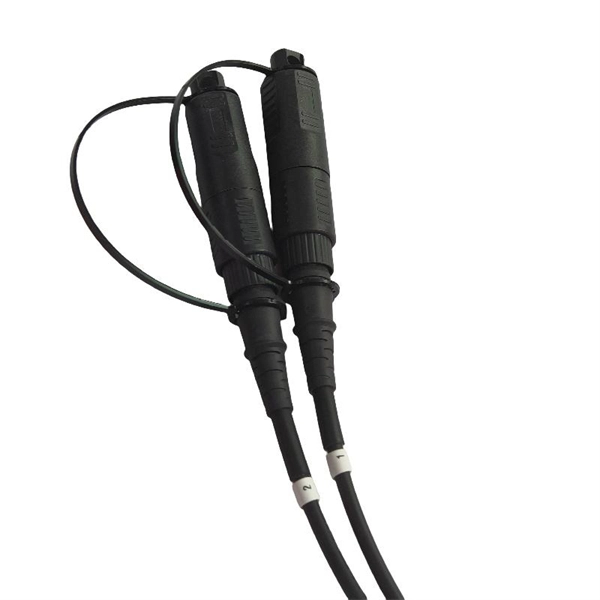
Illustrative equipment image

OPTICAL FIBRE CABLES INSTALLATION GUIDE

The objective of this document is to be an optical fibre cable installation and laying guide, addressed to new installers, also being useful as a reminder to experienced installers. We should always consider

Optical Fiber Cable Optical Fiber Cable In

All Fiber Optic Cable reels should be stored upright Laying the reel on its side may cause damage to the reel flange and/or cause the cable layers to shift – This may cause cable to snag during de-reeling.

Fiber Optic Cable Installation Method Statement

Below is given the fiber optic cable installation method statement for performing the installation of optical fiber cabling system for any kind and size of

An In-Depth Exploration of Fiber Optic Distribution

The article categorizes the various types of fiber optic distribution boxes—including wall-mounted, rack-mounted, outdoor, and dome-shaped designs—each

A Step-by-Step Guide to Fiber Optic Cable Installation

This beginner-friendly guide will walk you through the step-by-step process of fiber optic cable installation for each method,

Ultimate Guide to Fiber Optic Distribution Box: Types

In this article, we will delve into the world of fiber optic distribution boxes - what they are, their importance, types, installation process, advantages,

Duct Installation of Fiber Optic Cable

To ensure all specifications are met, consult the specific cable specification sheet for the cable you are installing. Corning Optical Communications cable specification sheets are available which list the

Fiber Optic Cable Installation, Overhead vs. Buried

Overhead and buried laying are the most common laying methods for fiber optic cable installation. What are their differences and which one is the best

Lashed Aerial Installation of Fiber Optic Cable

cables that may sag near the fiber optic cable. Determine the clearances between the proposed fiber optic cable plant and existing facilities on a case-by-case basis by referring to the National Electrical

Fiber optic network installation in the ground

Learn how fiber optic networks are installed in the ground. This article explains common underground installation methods and key decision factors.

Fiber Optic Cable Installation Process: Connecting Homes

The fiber optic cable installation process, meaning connecting homes with internet service, is becoming increasingly critical and important to understand.

How To Use Fiber Distribution Box?

Using a fiber distribution box (FDB) enables the reliable transmission of data through fiber optic cables in networks small and large. As networks expand and

Underground Fiber Optic Cable Installation: A Complete

A successful underground fiber optic cable installation begins with careful planning and design. Thorough upfront planning minimizes construction

The Ultimate Guide To Choosing The Right Fiber Termination Box For

Single-mode optical fiber is used extensively for fiber optic communication today as it has virtually unlimited bandwidth capacity. As the number of connected devices increases worldwide, the

The FOA Reference For Fiber Optics -Outside Plant Construction

Typically, optical fiber cables do not carry electrical power, but the metallic components of a conductive cable are capable of transmitting current. When the armoured cable is correctly bonded and

Fiber Distribution Box Basics

Conclusion Fiber distribution box is an important component in fiber optic communication networks, playing a central role in organizing, managing, and protecting fiber optic cables. Its wide

How to Choose the Right Fiber Distribution Box for FTTH & PON

A fiber distribution box (FDB) is a passive enclosure that provides secure splicing, termination, and distribution of optical fibers. It typically contains splice trays, adapters, and cable

Master Your Fibre Optic Installation: Step-by-Step Best Practices

The routes for laying fiber optic cables may involve ducts, subterranean channels or elevated paths. Installation typically employs two techniques: pulling and blowing.

Share your network requirements

Share the fiber interfaces, termination capacity, cable route and evidence required for handover.

Send a project brief