
Technical notes
Fiber Optic Cables
In this section we take a look at the basics of fiber optics, fiber optical cabling with its advantage over traditional copper-based rivals and how fiber optical cabling is being used in different scenarios to
Fiber-optic cable
OverviewDesignPerformanceCable typesColor codingHybrid cablesInnerductsSee also
A fiber-optic cable, also known as an optical-fiber cable, is an assembly similar to an electrical cable but containing one or more optical fibers that are used to carry light. The optical fiber elements are typically individually coated with plastic layers and contained in a protective tube suitable for the environment where the cable is used. Different types of cable are used for fiber-optic communication in different applications, for exa
Flexible cables for fixed and moving applications
Here, power, servo and data cables are located close together and move back and forth as a machine works. Sometimes faster than five metres per second with more than five times the acceleration of
Fiber optic connection techniques
High-precision optical fiber guide with fixing element using transparent adhesive. Permanent joining of both optical fibers through highly precise, low-loss controlled alignment and fusion. Geometric
Fiber Connector Types: A Comprehensive Guide 2025
Among these components, fiber connector types are essential to network performance, reliability, and scalability. This guide will walk you through
Fiber Joints – connectors, alignment tolerances,
Fiber joints are permanent or removable connections between multimode or single-mode fiber ends. Coupling losses depend substantially on the used technology.
Fiber Optic Connections: Types, Standards & Best Practices
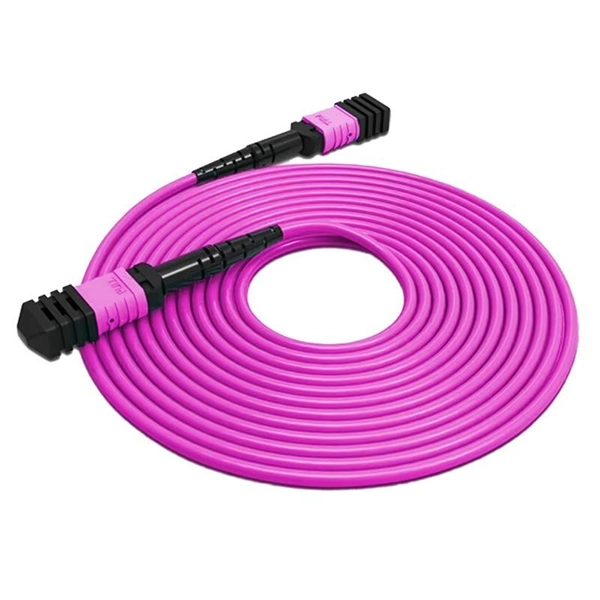
CZT supplies LC, SC, MPO/MTP fiber optic connectors, patch cables, and fiber distribution components. Browse our fiber optic connector range for compatible products.
Optical fiber connector
An optical fiber connector is a device used to link optical fibers, facilitating the efficient transmission of light signals. An optical fiber connector enables quicker
Fiber Optic Cable Types: A Complete Guide
The plethora of fiber optic cable types can seem overwhelming, but choosing the right cable for the job is important. Read on to learn what fiber optic
Understanding Fiber Optic Cable Connectors: Types, Features and
Discover the essential fiber optic cable connectors for efficient data transfer. Contact Bulgin for high-quality connectors and custom solutions.
Fiber Connector Types: A Comprehensive Guide 2025
A fiber optic connector is a mechanical device used to align and join optical fibers, enabling light to pass through with minimal loss. Unlike fiber splicing, which is permanent, connectors
Fiber Optic Cable Buying Guide
Fiber Optic Cable Buying Guide Understand how to choose fiber optic cable by comparing single‑mode vs. multimode, network speed and distance needs, cable jackets/fire ratings, connectors, cost and
Fiber Optic Connectors: Detailed Guide to Types and Uses
In this guide, you''ll explore various types of fiber optic cable connectors, each with unique features and best uses. Knowing what each connector does is essential, but it''s also important to match them with
Fiber optic connection techniques
6.1 MOVABLE.6.2 FIXED. 6.1 Movable -CONNECTORS Centering sleeves (ferrule) with high-precision central alignment. -MECHANICAL SPLICES Opposing V-shaped guides for aligning optical fibers of
16 Types of Fiber Optic Connectors to Choose From
Remateable connections are made possible by Fiber Connectors. Fiber Connectors are therefore generally used where flexibility is needed at termination points
Types of Fiber Connectors | LC, ST, SC | ShowMeCables
Find out the difference among fiber optic connector types LC, ST, SC including which is push-pull, which uses a locking mechanism and which is most common.
Understanding Fiber Optic Cables: A Guide to Types
Fiber optic cables comprise several parts, each playing a critical role in data transmission. Core, cladding, buffer coating, and the protective jacket – each part comes together to create this incredible
Fiber Connectors
Fiber connectors are connectors used as terminations of optical fiber cables. They are widely used in optical fiber communications and various other areas.
Related Video Reference
This video was associated with the source search result. Verify technical details against current product documentation and project requirements.