
Technical notes
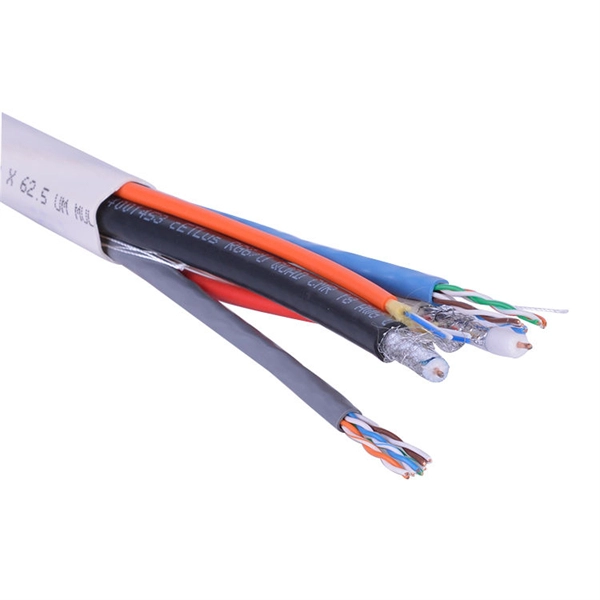
Fiber-optic cables | Phoenix Contact
Fiber-optic (FO) cables transmit data in the form of light across long routes. To achieve this, the electrical signals at the transmitter are converted into optical
Fiber Optics Fundamentals: SMF, MMF & Link Budget
Fiber optic cables are essential components in modern data transmission infrastructure. They support high-speed, interference-resistant
Fiber Optic Cable Types Explained: Choosing the Right
What Is a Fiber optic Cable? A fiber optic cable is a transmission medium that uses strands of glass or plastic fibers to carry data as pulses of
Optical Fiber Light Transmission
Optical Fiber Light Transmission is a vital technology that underpins modern telecommunications and various other industries. Understanding its terminologies and
Fiber Optic Cables: Construction, Types, and High-Speed Data
Fiber optic cables have redefined what is possible in data transmission, delivering vast amounts of information at unprecedented speeds. Because fiber optic technology is so integrated into modern
Fiber Optic Cable Buying Guide
Fiber Optic Cable Buying Guide Understand how to choose fiber optic cable by comparing single‑mode vs. multimode, network speed and distance needs,
How does fiber optics work?
An easy-to-understand introduction to fiber optics (fibre optics), the different kinds of fiber optic cables, and how light travels down them.
What Is Fiber Optics? A Guide
Future Trends in Fiber Optics The future of fiber optics is exciting, with ongoing research and development aimed at further improving the technology. Data transmission rates have been
Fiber Optics and Types
Fiber optics refers to the technology and method of transmitting data as light pulses along a glass or plastic strand or fiber. Fiber optic cables are used for long-distance and high-performance
How Fiber Optics Work
Fiber-optic lines have revolutionized phone calls, cable TV and the internet. It''s a really cool technology that enables the long-distance transmission of data in light signals, and is used in many more ways
Fiber Optic Cable Types & Applications | Data Transmission Guide
Fiber Optic Cable Types & Applications I n modern telecommunications and networking, fiber optic cables serve as the foundation for high-speed data transmission. These cables use light to carry
Optical Fibre Cable
Optical fiber is a technology used to transmit data by sending short light pulses along a long fiber, which is typically made of glass or plastic. In optical fiber communication, metal wires are
How Fiber Optic Cable Transmits Data at high speeds
Fiber optic cables are essential for today''s digital communications. With the ability to support superior transmission speeds over longer distances compared to copper cabling, fiber optic
Fiber optics cable design and data transmission
This article will cover all the aspects of data transmission through fiber optic cables and various phenominans related to this.
How do fiber optic cables transmit data? (fibre optic cable
How do fiber-optic cables transmit data with higher security? Hacking fiber optic cable is far more difficult and expensive than intercepting signals over a copper or satellite connection, making
Fiber Optic Cable Types: A Complete Guide
Fiber optic cables are often seen as the gold standard for network cabling. Unlike copper wires, which are limited by lower data transmission speeds, shorter transmission distances, and
Fiber Optic Cable Types: Single-Mode, Multimode, and
A fiber optic cable (frequently shortened to “fiber cable”) is a specialized transmission medium crafted to carry data as light pulses through
Fiber-optic communication
Modern fiber-optic communication systems generally include optical transmitters that convert electrical signals into optical signals, optical fiber cables to carry the signal, optical amplifiers, and optical
Related Video Reference
This video was associated with the source search result. Verify technical details against current product documentation and project requirements.