
Technical notes
Fiber Optics Fundamentals: SMF, MMF & Link Budget | Cinch
Fiber optic cables are essential components in modern data transmission infrastructure. They support high-speed, interference-resistant communication and are particularly effective in
Fiber Optic Cable Types: How to Choose the Right One
A fiber optic cable is a transmission medium that uses strands of glass or plastic fibers to carry data as pulses of light. It offers high bandwidth, low
How to Choose the Right Fiber Optic Cable for Your Optical
Learn how to choose the right fiber optic cable for SFP, SFP+, SFP28, QSFP+, QSFP28, QSFP-DD, and OSFP optical transceivers. Avoid common fiber compatibility mistakes and improve
Fiber-optic communication
Modern fiber-optic communication systems generally include optical transmitters that convert electrical signals into optical signals, optical fiber cables to carry the signal, optical amplifiers, and optical
Fiber Optic Cable Types: How to Choose the Right One for Your Network
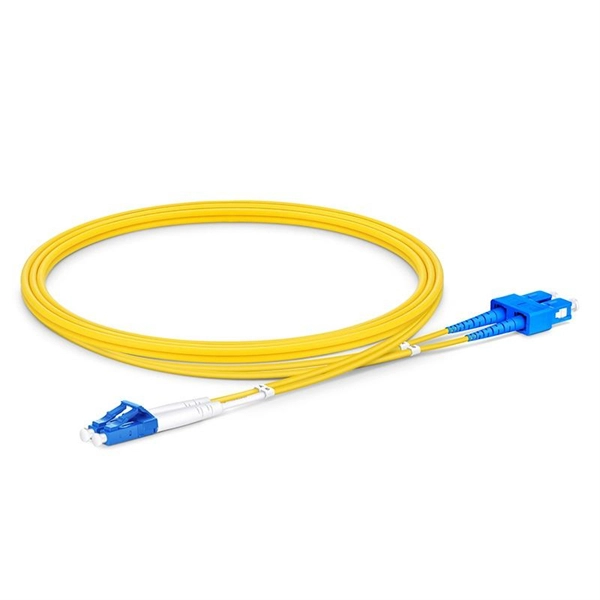
Explore different types of fiber optic cables, from single mode to armored and LC uniboot options. Learn how to choose the right fiber jumper for your data center, telecom, or FTTA
How does fiber optics work?
An easy-to-understand introduction to fiber optics (fibre optics), the different kinds of fiber optic cables, and how light travels down them.
Fiber Optic Cable Buying Guide
Fiber Optic Cable Buying Guide Understand how to choose fiber optic cable by comparing single‑mode vs. multimode, network speed and distance needs,
Fiber Optics and Types
Fiber optic cables are used for long-distance and high-performance data networking. They are capable of transmitting data over longer distances and at higher bandwidths (data rates) than
Fiber optics | Definition, Inventors, & Facts | Britannica
Fiber optics, the science of transmitting data, voice, and images by the passage of light through thin, transparent fibers. In telecommunications, fiber optic technology is used to link
A Complete Guide to Fibre Optic Cables | RS
Common everyday networking fibre optic cable configurations include two-core options, eight-core varieties, and even twenty-four-core fibre optic cable. Essentially, the bandwidth potential
Basics of Fiber Optics
Mark Curran/Brian Shirk Fiber optics, which is the science of light transmission through very fine glass or plastic fibers, continues to be used in more and more applications due to its inherent advantages
Fiber Optic Cable Types: Comprehensive Guide
Explore the different types of fiber optic cables and understand which type suits your specific needs for speed, distance, and durability.
Optical fiber
An optical fiber, or optical fibre, is a flexible glass or plastic fiber that can transmit light from one end to the other. Such fibers are widely used in fiber-optic
Optical Fibre Cable
In optical fiber communication, metal wires are preferred for transmission because the signals travel more safely. Optical fibers are also resistant to electromagnetic interference.
What Is Optical Fiber Technology, and How Does It Work?
While many of us have heard the term “fiber optics” or “optical fiber” technology to describe a type of cable or a technology using light, few of us really understand
How to Choose the Right Fiber Optic Cable for Your Optical
How to Choose the Right Fiber Optic Cable for Your Optical Transceiver Selecting the right optical transceiver is only half of building a reliable fiber network. Many network failures that appear
Fibre Optic Cables and Cabling Solutions
FS offers a wide range of fibre optic cables (2,000+ selections) with free cabling solution designs to satisfy data center, enterprise, NSP & ISP network applications.
Fiber Optics and Types
Fiber optics refers to the technology and method of transmitting data as light pulses along a glass or plastic strand or fiber. Fiber optic cables are used for long-distance and high-performance
Related Video Reference
This video was associated with the source search result. Verify technical details against current product documentation and project requirements.