
Technical notes
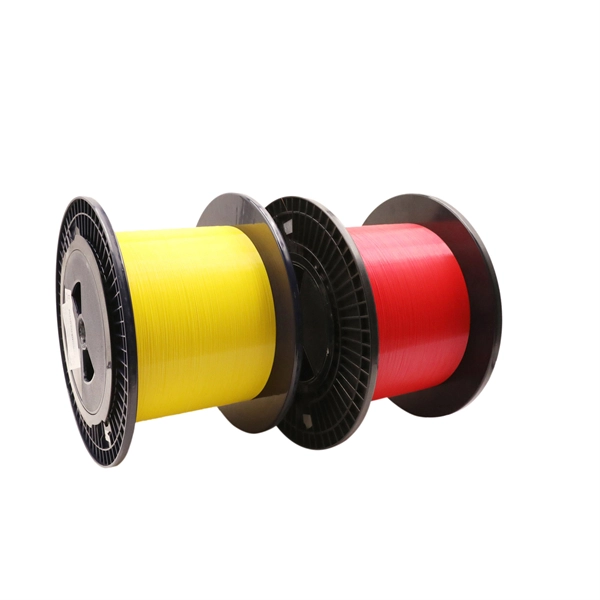
Several Steps For On-site Cable Reel Testing
Generally, optical cable manufacturers will do a test before the product leaves the factory, but in order to ensure that the optical cable is not
Standard for Installing and Testing Fiber Optics
Although most fiber optic cables are not conductive, any metallic hardware used in fiber optic cabling systems (such as wall-mounted termination boxes, racks, and patch panels) must be grounded.
Optical Fiber Cable Optical Fiber Cable In
All Fiber Optic Cable reels should be stored upright Laying the reel on its side may cause damage to the reel flange and/or cause the cable layers to shift – This may cause cable to snag during de-reeling.
Fiber Optics inspection, cleaning and testing
First step is to make an accurate inspection of the ferrule, using a video microscope. Simply connect the fiber optic connector to the microscope probe and the test will be done automatically. Each type of
The FOA Reference For Fiber Optics -Outside Plant Construction
Inspect the cable reel for signs of excessive weathering and/or damage. Reels must be transported or stored with their battens intact. Do not accept delivery of an optical fiber cable if the reel is visibly
Indoor Installation of Corning Optical Communications Fiber Optic Cable
Before the installation begins, carefully inspect the cable reel for protrusions such as nails and broken flanges which might cause damage to the cable as it is unreeled.
Fiber Optic Cable Installation and Handling Instructions
The information contained in this manual should serve as a guide to proper handling, installing, testing, and for troubleshooting problems with fiber optic cables.
GENERAL FIBRE OPTIC CABLE INSTALLATION INSTRUCTIONS
While pulling the cable through the duct, always watch the cable entry & exit point and ensure that the cable should not bend below specified minimum bending radius, which may create permanent
Fiber Optic Cable Installation Inspection Checklist [FREE PDF]
Quick Answer: A fiber optic cable installation inspection checklist [free pdf] is a per event inspection tool used by network engineer in fiber optics operations.
FOA Standard For Installing Fiber Optic Cable Plants
Support structures for fiber optic cable installations should be completed before the installation of the fiber optic cable itself. Outside plant structures should be installed in conformance with all permits
Fiber Optic Cable Acceptance Tests
The Cable Installation Acceptance Test (Installation Test) is similar to the Cable Reel Acceptance Test except the Installation Test is conducted from both ends of the fiber.
Lashed Aerial Installation of Fiber Optic Cable
Inspect all equipment (ladders, bucket trucks, reel trailers, etc.) for defects and replace if found in unsound condition. Use only company-approved equipment for lighting, heating, and other
PROCEDURE FOR FIBER OPTIC INSTALLATION AND TESTING
Fiber optic cable shall be withdrawn after determining inspection report as accepted with material receiving inspection report form. Unless otherwise stated, all tests shall be conducted by the
Fiber Optic Cable Installation and Handling Instructions
Introduction Fiber optic cables can be easily damaged if they are improperly handled or installed. It is imperative that certain procedures be followed in the handling of these cables to avoid damage
Fiber Optic Cable Inspection Checklist
What makes Fiber Optic Cable Inspection so important: Fiber Optic cables are gamer changers in the communication industry. When they are not maintained properly, they can seriously impact business
The FOA Reference For Fiber Optics
Inspect workmanship Daily review of process, progress, test data Immediate notification and solution of problems, shortages, etc. After completion of cable plant installation:
Unraveling the World of Fiber Optic Cable Reels: A High
The development and Untapped potential in telecommunication infrastructures properly intertwine with using fiber optic cable reels. To be
Master Your Fibre Optic Installation: Step-by-Step Best Practices
This comprehensive guide delves into the intricacies of fiber optic installation, exploring topics ranging from cable types and pre-installation considerations to execution, safety protocols,
Related Video Reference
This video was associated with the source search result. Verify technical details against current product documentation and project requirements.