
Technical notes
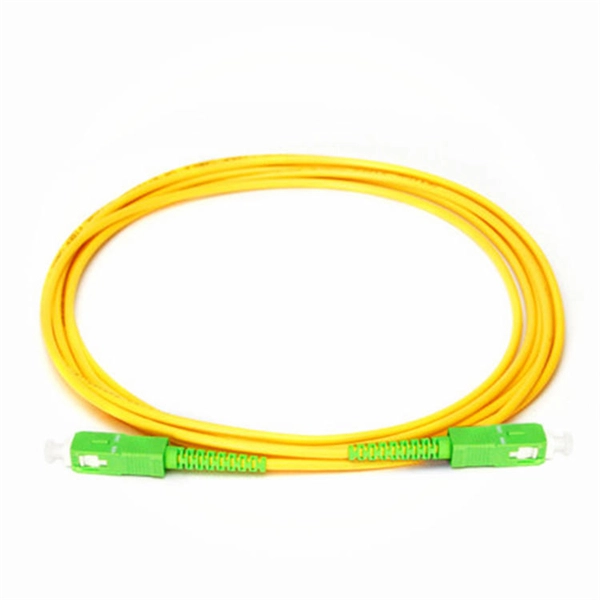
Twisting Effects on Fiber Optic Cables Explained
Learn how twisting can cause mechanical stress, optical loss, and polarization changes in fiber optic cables and how to prevent or minimize them.
Optical Fiber Cable Optical Fiber Cable In
All Fiber Optic Cable reels should be stored upright Laying the reel on its side may cause damage to the reel flange and/or cause the cable layers to shift – This may cause cable to snag during de-reeling.
Duct Installation of Fiber Optic Cable
Whenever unreeled cable is placed on the pavement or surface above a manhole, provide barricades or other means of preventing vehicular or pedestrian traffic through the area. The figure-eight
Figure 8 Method for Fiber Optic Installation | PDF
This document provides instructions for using the "figure 8" technique when installing fiber optic cable over long distances. It describes laying the cable in a large figure 8 pattern on the ground during
Fiber Optic Cable Installation and Handling Instructions
The information contained in this manual should serve as a guide to proper handling, installing, testing, and for troubleshooting problems with fiber optic cables.
The FOA Reference For Fiber Optics-Installing Fiber
Cable manufacturers install special strength members, usually aramid yarn (DuPont Kevlar), for pulling. Fiber optic cable should only be pulled by these strength
Lashed Aerial Installation of Fiber Optic Cable
Refer to the cable specification sheet for the specific allowed tension for each cable . Coils are required for all ribbon gel-free and gel-filled armor cables that are in a butt-type closure any other closure, or
Why can''t the optical cable be twisted or bent
However, optical fibers are also fragile, and care must be taken to avoid bending or twisting them. In this article, we will discuss the reasons why optical cables should not be twisted or bent, and
Top 10 Fiber Optic Mistakes to Avoid | trueCABLE
There are different constructions of fiber optic cable, and some can endure lateral forces better than others, but never assume that they can. The
Analysis of longitudinal stress imparted to fibers in twisting an
In the exploratory fiber optic cables used in the Atlanta Fiberguide System Experiment, 12 optical fiber ribbons each containing 12 fibers are stacked one on top of the other to form a rectangular array of
The FOA Reference For Fiber Optics-Installing Fiber Optic Cable
When laying loops of fiber on a surface during a pull, use “figure-8” loops to prevent twisting the cable.The figure 8 puts a half twist in on one side of the 8 and takes it out on the other, preventing
Top 10 Fiber Optic Mistakes to Avoid | trueCABLE
Avoid costly fiber optic installation errors. Learn the top 10 things NOT to do with fiber optic cables and how to handle them safely.
General Optical Fiber Cable Installation Considerations
General Optical Fiber Cable Installation Considerations Some key considerations for installing optical fiber cable are highlighted below. Failure to follow these guidelines may result in damage or
Underground Cable Installation
4.07 A swivel should be used on the winch line to prevent twisting of the fiber optic cable and winch line. The swivel must have a 600 pound breakaway pin to prevent pulling damage to the cable.
How does fiber optics work?
An easy-to-understand introduction to fiber optics (fibre optics), the different kinds of fiber optic cables, and how light travels down them.
Fiber-optic cable
A fiber-optic cable, also known as an optical-fiber cable, is an assembly similar to an electrical cable but containing one or more optical fibers that are used to carry
Underground Installation of Optical Fiber Cable by Pulling
Abstract Optical fiber cable ''jacket zippering'' may happen in metallic armor cable during installation, use, or testing of the cable, where the cable is subjected to bending and/or twisting. This application note
Cable stranding has two ways: SZ twisting and helical
Discover the details of Cable stranding has two ways: SZ twisting and helical twisting at Dongguan Wirecan Technology Co.,Ltd., a leading supplier in
Related Video Reference
This video was associated with the source search result. Verify technical details against current product documentation and project requirements.