
Fiber Optic Cable Outer Sheath Why Important What Material
Search optical fiber, connectivity, cable management and network infrastructure references.
- Fiber
- Optic
- Cable
Articles and technical references
7 on this page-
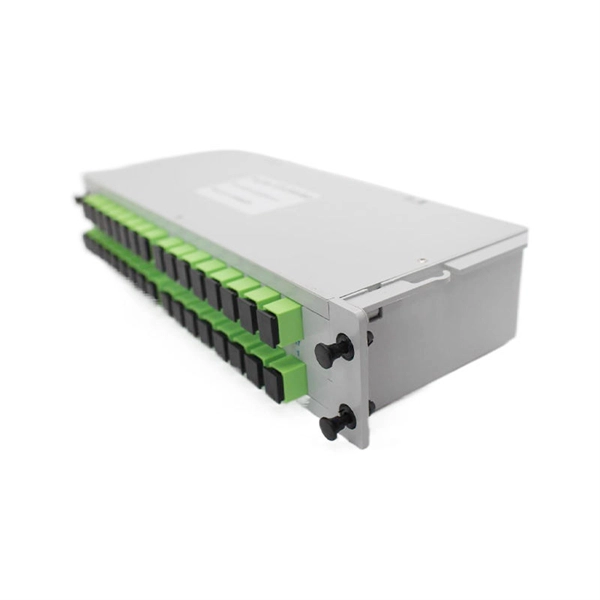
The outer sheath of the YDFC fiber optic cable is torn
Excavate the cable at the break point and use a fiber optic cutter to remove the damaged section. Use a high-precision fiber cleaver to prepare the fiber ends for. The core, the central part of the fiber optic cable, carries light signals and is surrounded by a layer known as...
[PDF Version]
-
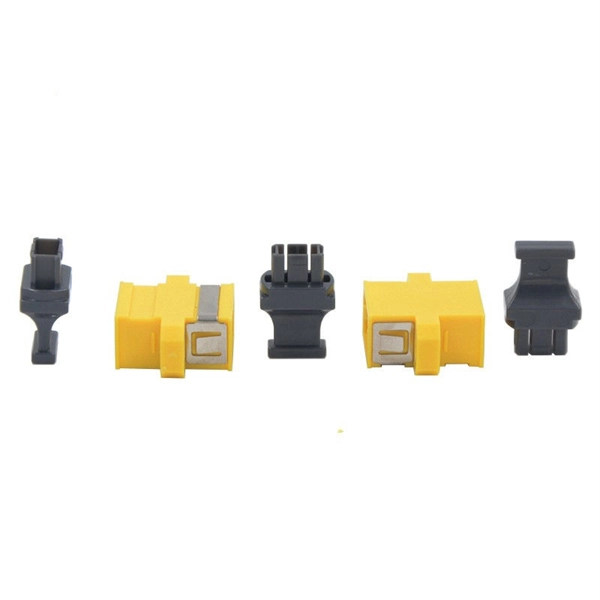
Fiber Optic Cable Outer Line Height Requirements
Urban Areas: 25–40m spacing (concrete poles, 10–12m height)., steel lattice structures). Factors: Cable weight (kg/km) Ice loading (up to 50mm. The Fiber Optic Association, Inc. (FOA) was founded in 1995 to help develop the workforce to build the fiber optic networks to...
[PDF Version]
-
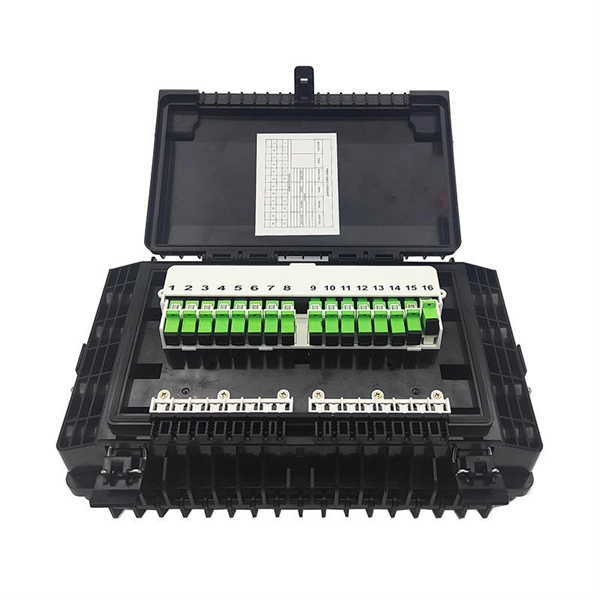
Fiber Optic Cable Sheath Splicing Techniques
Fiber fusion splice —the gold standard—uses heat to meld glass ends, ensuring durability and low loss—e. 05 dB splice stays within a 17 dB budget for 10G. Mechanical splicing, though quicker, uses sleeves—e. 2 dB loss—better for temporary. Fiber optic cables are the invisible...
[PDF Version]
-
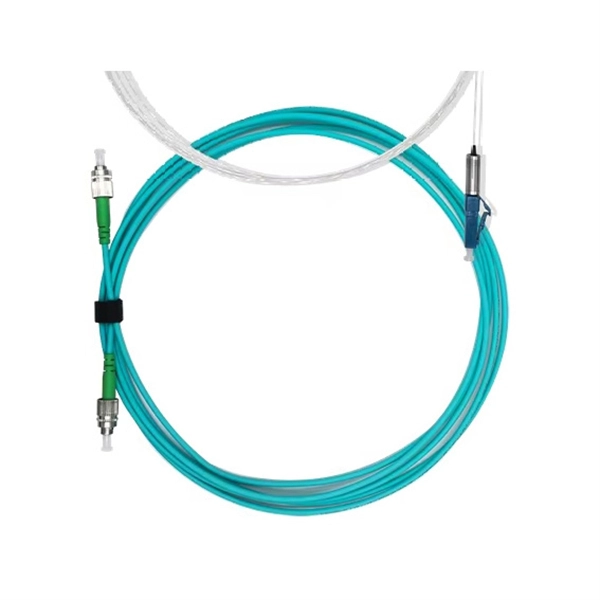
How to strip the outer layer of a black fiber optic cable
FOS03 Fiber strippers remove the coating from the fiber optic cable to expose the glass fiber. Let's explain a little about common layers, and what's important to consider when stripping. Firstly, it is important to consider that when stripping multi-layer cables for...
-
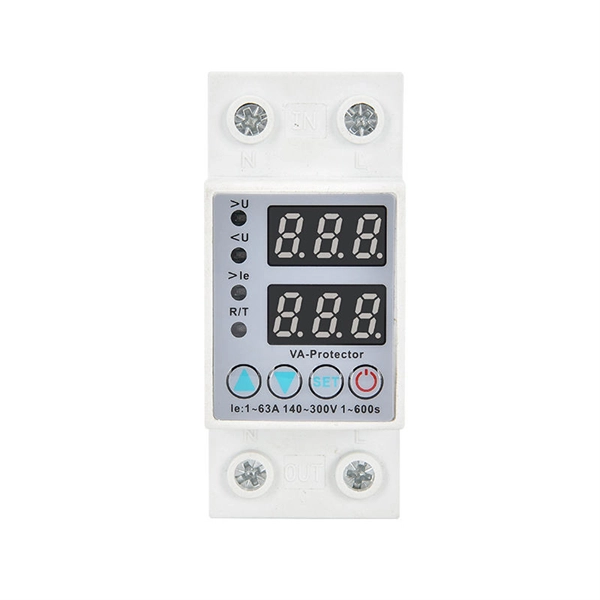
Why is the fiber optic cable in the router so taut
Dead, frayed or otherwise damaged cables usually cannot be fixed at home and must be replaced. Gently straighten any unnecessary bends. This guide offers practical steps to troubleshoot fiber optic cable issues, covering common problems, key tools, and preventive measures to...
[PDF Version]
-
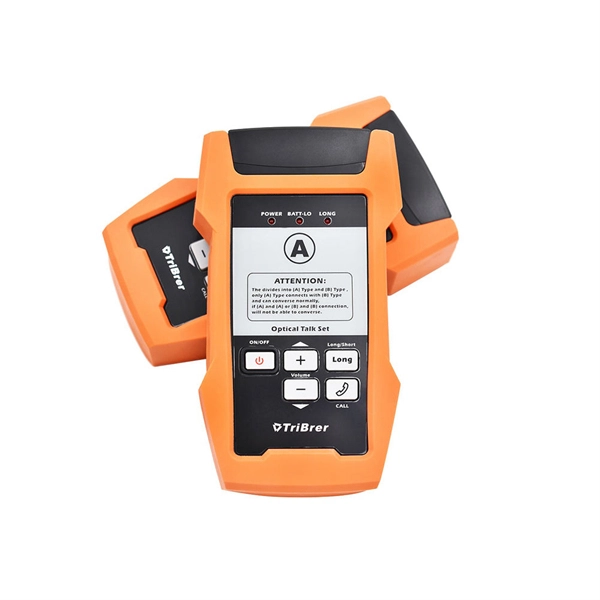
Why fiber optic cable splicing
An Overview of Splicing Techniques: Pros and Cons of Different Fiber optic splicing is the process of joining two fiber optic cables together so that light.
[PDF Version]
-
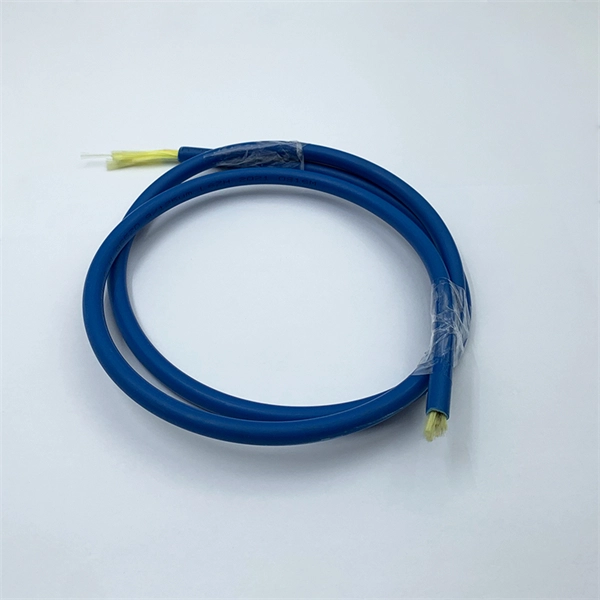
16-core single-mode outdoor fiber optic cable
Discover 16 core fiber optic cable for reliable data transmission. Explore durable, CE-certified solutions with G652D fiber and armored outdoor protection. D compliant low water peak grade and offers OS2 performance and OS1 backwards compatibility. These compact, lightweight...
[PDF Version]