Skip to content
QK FIBERSystems Send a project enquiry
Reference library

Fiber Optic Cable Planning for Distribution Network Automation

Published
  • Fiber
  • Optic
  • Cable
Source context

AI source overview

Effective fiber optic network planning and design for distribution automation requires a combination of strategic network layout, equipment selection, GIS-based planning, and automated design tools to ensure reliability, scalability, and cost efficiency. Key Steps in Planning and Design1. Define Network Objectives and Requirements Start by identifying the coverage area, expected bandwidth, number of users, and specific services the network must support.

For distribution network automation, consider the data requirements of smart meters, sensors, and control devices, as well as redundancy and fault tolerance needs. 2. Determine Network Topology and Layout Select an appropriate topology (ring, star, or tree) based on geography, load distribution, and scalability.

Map the outside plant (OSP) routes, including backbone, distribution, and drop connections. Consider integration with existing copper or wireless networks if hybrid solutions are required. 3.

Component Selection and Equipment Planning Choose fiber types, splitters, enclosures, splices, and active equipment that meet performance and reliability standards. For automated distribution networks, ensure low-latency, high-reliability transceivers and switches capable of handling real-time control signals. 4.

Permits, Easements, and Regulatory Compliance Plan for permits, municipal approvals, and easements early to avoid delays. Compliance with local telecom standards and operator guidelines is critical for audit-ready designs. 5.

Testing, Monitoring, and Maintenance Implement fiber testing during installation and ongoing monitoring using active fiber monitoring (AFM) tools. Automated monitoring helps detect degradation, outages, or power disruptions, reducing mean time to repair (MTTR) and ensuring continuous network performance. Automation and Software Tools1.

GI

S Integration Tools like FibPlanner integrated with ArcGIS Pro allow planners to leverage spatial analysis for route optimization, terrain assessment, and service point mapping. This ensures accurate placement of ducts, cables, and termination points. 2.

High-

Level and Low-Level Design Automation Automated HLD/LLD generation enables rapid scenario analysis, cost estimation, and iterative design refinement. This reduces errors, ensures consistency, and bridges the gap between planning and field deployment. 3.

Scenario-

Based Planning and Cost Prediction Software can simulate multiple deployment scenarios, optimize trench routes, duct layouts, and fiber paths, and provide Bill of Materials (BoM) and cost predictions, which is essential for budgeting and resource allocation.

Best Practices

Greenfield vs Brownfield Deployment: Tailor designs for new builds (greenfield) or upgrades/expansions (brownfield) to optimize cost and minimize disruption. Documentation: Maintain detailed CAD designs, splicing diagrams, and network maps for long-term maintenance and future upgrades. Redundancy and Scalability: Design for future growth and automated failover to ensure uninterrupted distribution network operations.

Collaboration: Coordinate with IT engineers, architects, contractors, and utility operators to align technical and business objectives. By combining strategic planning, robust design, automated tools, and continuous monitoring, fiber optic networks can effectively support distribution network automation, delivering high-speed, reliable, and scalable connectivity for modern utility and telecom applications.

Research context

Reference summary

FibPlanner FTTH Network Design AutomationDesigned for efficiency, precision, and automation, this powerful suite transforms complex network planning into a.

From reference to enquiry

Questions for your project

Use these editorial prompts alongside the linked excerpts. They identify items to confirm for your project.

Technical notes

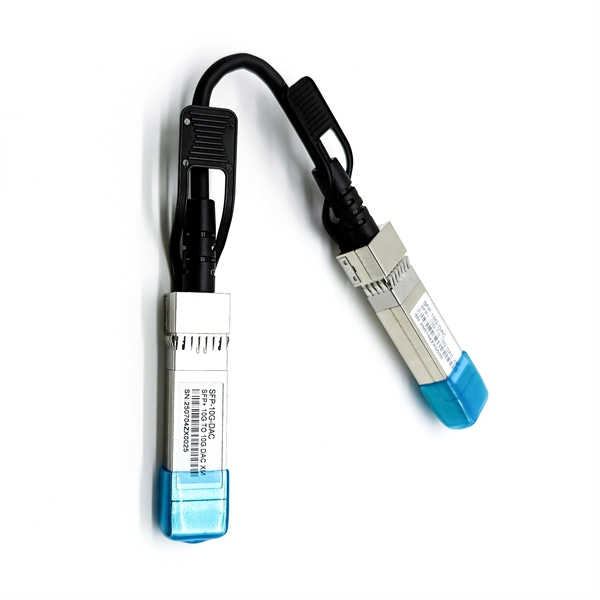
Illustrative equipment image

FibPlanner FTTH Network Design Automation

Designed for efficiency, precision, and automation, this powerful suite transforms complex network planning into a seamless, streamlined process. FibPlanner

Fiber Network Planning and Design (FTTH/FTTP /FTTx )

Fiber optic network design involves the planning, routing, and drafting of Fiber cable layouts to support high-speed data transmission. It includes detailed mapping of backbone, distribution, and drop

A Guide to Fiber Optic Network Planning and Design

To make fiber network planning and design smoother and more efficient, thoroughly plan and gather requirements, foster collaboration with relevant stakeholders, and use advanced tools

Automated fiber network planning and design software | IQGeo

The leading automated fiber planning and design software for telecom operators and engineering firms who want to quickly and cost-effectively scale their fiber-optic networks.

Top Fiber Optic Network Planning Tools for 2026

NetworkAccess stands out by combining fiber optic network planning tools with automated design validation, cutting manual errors by up to 40% according to industry estimates.

FTTH Planning and Design 101: Tools, Software, and What''s Next

The process includes everything from route selection, capacity forecasting, duct and cable layout, to fiber splice and connection planning. The goal of effective FTTH network planning is to

Automatic FTTH Design Software | ITS-NetDesign & NetOptimus

You can really design/engineer a network within minutes! This new software for FTTH/ FTTX optical fiber network design and engineering is simple to configure and simple to use. It will automatically list all

SmartPlanner: FTTx / Fiber Network Planning Solutions for Telecom

A web-based network planning and design software, Lepton''s SmartPlanner empowers telcos with strategic and detailed fiber deployment with its easy customization and integration capabilities.

Route planning for fiber optic expansion

We offer a software solution that automates planning and execution in an expansion area, from aerial photography to the final fiber optic route. Our expertise extends to a variety of services to make your

Strategic Planning towards Automation of Fiber To The Home (FTTH

We propose a mixed-integer programming (MIP) formulation for a problem of optimal dimensioning of equipment of the fiber-to-the-home optical access network (FTTH-OAN).

Design Guide

Documenting the fiber optic cable plant is a necessary part of the design and installation process for the fiber optic network. Documenting the installation properly as part of the planning process can save

Demystifying Fiber Planning: A Comprehensive Guide

In this Fiber Planning Guide read how telecommunications fiber optics technology is now the backbone of high-speed internet connectivity.

Fiber Optic Network Design: Comprehensive Guide to Planning and

Dive into critical aspects of fiber optic network design, including needs assessment, cable selection, topology planning, and installation best practices. The guide also covers maintenance,

The Four Key Components of Ftth Network Design: Explained

A network map defines fiber optic cable routes, distinguishes backbone network from distribution network and fiber drops, defines the exact placement of network assets – nodes,

AI Automation for Fiber Optic Network Design Guide

Automating fiber optic network design using AI is no longer science fiction. From what I''ve seen, teams that adopt AI-driven workflows cut planning time, reduce costly rework, and spot constraints earlier.

Top 8 Fiber Network Management Software Solutions

Key Takeaways The top eight fiber network management software solutions are Vitruvi Software, NetworkAccess, Render Networks, Sitetracker, Ocius-X,

(PDF) Distribution automation applications of fiber optics

An optical position-indicator design is discussed. Systems aspects of distribution automation are discussed, in particular, the lack of interface, communications, and data standards.

Design Guide

Design of the fiber optic cable plant requires coordinating with everyone who is involved in the network in any way, including IT personnel, company management, architects and engineers, etc. to ensure all

Share your network requirements

Share the fiber interfaces, termination capacity, cable route and evidence required for handover.

Send a project brief