Skip to content
QK FIBERSystems Send a project enquiry
Reference library

Fiber Optic Cable Procurement and Acceptance Standards

Published
  • Fiber
  • Optic
  • Cable
Source context

AI source overview

Effective fiber optic cable procurement requires evaluating technical specifications, supplier certifications, production capacity, environmental compliance, and connector compatibility to ensure long-term network reliability. Key Procurement Criteria1. Certification and Compliance Suppliers should hold internationally recognized certifications such as ISO 9001: 2015 to demonstrate quality management systems covering production and sales of fiber optic cables.

For outdoor or FTTA applications, cables must pass IP68 waterproof testing, tensile strength, thermal cycling, and salt spray corrosion tests to ensure durability under harsh conditions. Compliance with regional fire and safety regulations, such as OFNR, OFNP, LSZH, or CPR Euroclass ratings, is essential for legal and safe installation. 2.

Technical Specifications Procurement specifications must define: Fiber type and category: e.g., ITU-T G. 652. D for backbone networks or G.

657. A2 for bend-insensitive access networks. Optical performance: attenuation limits, insertion loss, and test methods.

Cable construction: armored, non-metallic, aerial, or drop cables depending on installation environment. Connector standards: IEC 61754-compliant connectors (LC, E2000, MPO/MTP) with defined polarity and low-loss tolerances (≤0. 35 dB for high-speed links).

Mechanical and environmental tests: bend radius, tensile strength, and temperature cycling. 3. Production Capacity and Supplier Evaluation Assess factory size, workforce, monthly output, and R&D capabilities.

Reliable suppliers typically operate facilities of several thousand square meters, with dedicated quality control teams performing 100% insertion loss testing and automated alignment inspections. Lead times, minimum order quantities, and OEM/ODM support are also critical for both pilot and large-scale deployments. 4.

Connector and MPO/MTP Considerations High-density MPO/MTP cables require precise alignment of multiple fibers using guide pins and ferrules. Procurement must ensure: Correct fiber core count matching transceiver lanes (Base-8, Base-12, Base-16). Proper polarity management (Methods A, B, or C) to prevent link failures.

Low-loss connectors for high-speed optics and compliance with TIA-568. 3-E and IEC 61754-7 standards. Awareness of proprietary enhancements (e.g., MTP® floating ferrules) versus generic MPO connectors.

5. Regulatory and Public Procurement Compliance For public projects, follow local procurement laws and technical standards such as VDE 0800-730 and the EU Gigabit Infrastructure Regulation (GIA). Specifications should be technology-neutral, define modular splice systems, and allow for future expansion without operational disruption.

Connector selection (LC for high density, E2000 for security-critical areas) is crucial for long-term network stability. 6.

After-

Sales Support and Documentation Ensure suppliers provide technical support, warranty coverage, and verifiable test reports for tensile strength, waterproofing, and thermal cycling. Proper documentation, including drum numbers, fiber numbers, measured lengths, and test methods, is essential for quality assurance and traceability.

Summary

Successful fiber optic cable procurement balances technical performance, regulatory compliance, supplier reliability, and operational support. By rigorously defining specifications, verifying certifications, and evaluating production and connector quality, procurement professionals can minimize field failures, reduce total cost of ownership, and ensure long-term network reliability for both commercial and public infrastructure projects.

Research context

Reference summary

Fiber Optic Cable Specification Checklist | MaplearashiA practical fiber optic cable technical specification checklist for telecom procurement. Define fibe.

From reference to enquiry

Questions for your project

Use these editorial prompts alongside the linked excerpts. They identify items to confirm for your project.

Technical notes

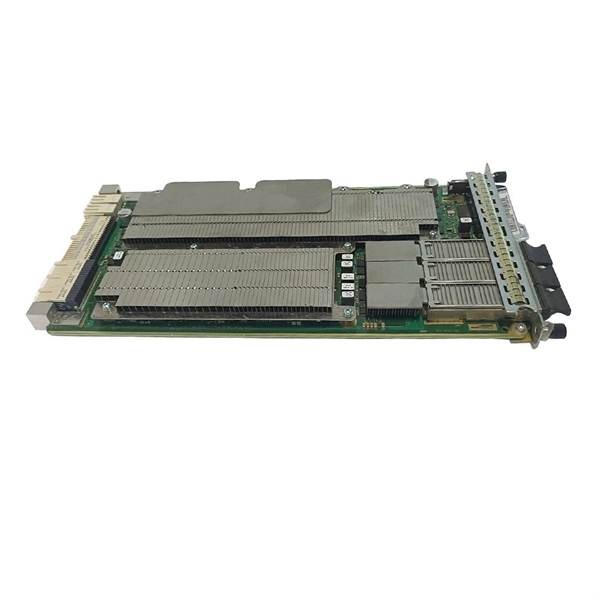
Illustrative equipment image

Fiber Optic Cable Specification Checklist | Maplearashi

A practical fiber optic cable technical specification checklist for telecom procurement. Define fiber performance, cable construction, mechanical and environmental tests, marking, drum

Complete List of ISO/IEC Fiber Optic Cable Standards for Importers

Importing fiber cable? Don''t get stuck at customs. We explain the Standardsessential IEC 60793, 60794, and Fire Safety standards you must include in your RFQ.

Fibre Optic Procurement: Technical Requirements for Public Contracts

Complete guide to fibre optic procurement, DTVP and EVB-IT requirements. Technical specifications, standards and documentation for public authorities.

IEC 60794 Compliance: The Complete Guide to Fibre Optic Cable

A practitioner-level walkthrough of the IEC 60794 framework: standard structure, mechanical and environmental test methods, type vs routine testing, common failure modes, and

Fiber Optic Standards & Testing Guide for Cables

This article provides a comprehensive overview of international standards governing fiber optic cables, patch cords, MPO/MTP data center solutions, FTTA assemblies, and connectors.

Fiber Optic & Cable Standards Guide | FiberMania Standards

Get a complete guide to fiber optic & related products standards—from basics to advanced, covering all key details for full understanding.

Government Fibre Optic Procurement – Tenders & Procurement

Simplify government fibre-optic tenders with new 2025 thresholds. Technical specs, VOB guidelines, and procurement best practices for public authorities.

IPC-A-640 Standard: Complete Guide to Optical Fiber Assembly

IPC-A-640 explained: Acceptance requirements for optical fiber, cable, and hybrid harness assemblies. Covers classes, inspection criteria, and testing needs.

FTTA Fiber Optic Cable Procurement Guide 2026: How to Identify

Learn how to identify reliable FTTA fiber optic cable suppliers for 5G deployments. This guide covers certification, production capacity, technical specs, after-sales support, and export

How to Test Fiber Cable Quality in Telecom Projects

Technical guide to testing fiber cable quality, covering visual inspection, optical loss testing, OTDR analysis, and standards for FTTH and data center network.

Fiber Optic & Cable Standards Guide | FiberMania

Fiber optic networks are built on well-defined standards that ensure quality, performance, and interoperability. This article explains eight of the most

The FOA Reference For Fiber Optics

Designers of fiber optic cable plants and networks depend on these specifications to determine if networks will work for the planned applications. For the purposes of

Standards-based factory testing of fiber-optic cable

Manufacturer testing on fiber-optic cable falls into two general categories: production testing and characterization, or type, testing. These two kinds of tests are quite different, but each is useful in its

Applications and Field Acceptance Testing of Fiber Optics Cables

The purpose of this technical paper is to present the latest applications of fiber optics as a control and communication link device and to address the methods and standards developed in field acceptance

Appendix E Fiber Optic Cable Splicing, Testing, and Acceptance

This document provides procedures for fiber optic cable splicing, testing, and acceptance. It outlines the steps for properly splicing fiber optic cables including cleaning processes, fusion or mechanical

The Fiber Optic Association, Inc.

The optical time domain reflectometer (OTDR) uses optical radar-like techniques to create a picture of a fiber in an installed fiber optic cable. The picture, called a signature or trace, contains data on the

The FOA Reference For Fiber Optics

Passive loss is made up of fiber loss, connector loss, and splice loss. Don''t forget any couplers or splitters in the link. If the specifications for a type of system or network are not known, industry

OTDR used in Fiber Optic Acceptance testing

Fiber optic acceptance testing ensures that any new cable matches the optical and physical requirements of the planned application.

Share your network requirements

Share the fiber interfaces, termination capacity, cable route and evidence required for handover.

Send a project brief