
Technical notes
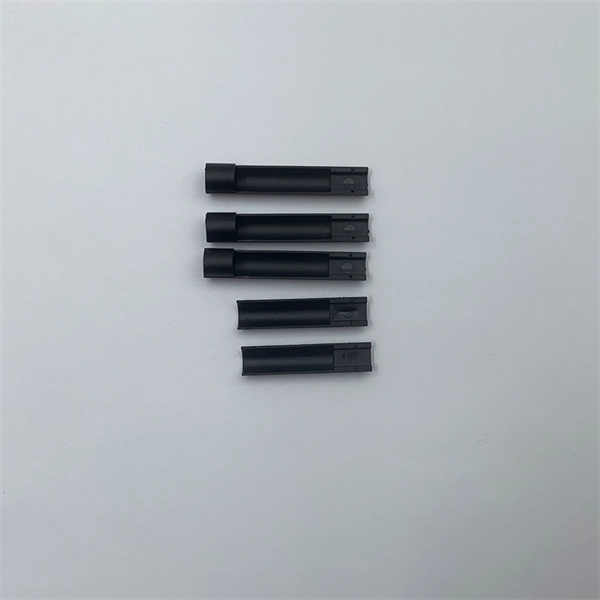
Fiber Cable Mechanical Splicing Guide Using Fiber Splice Trays
Learn how to perform mechanical fiber cable splicing inside fiber enclosures using fiber splice trays. This step-by-step guide covers fiber preparation, alignment, splicing, protection, and
The Complete Step-by-Step Guide to Fiber Optic Splicing
In this guide, we cover the basics of fiber optic splicing, how to perform splicing using two different methods, and finally some best practices to perform good fiber splicing.
Fiber Optic Cable Splicing Methods: A Practical Guide
Learn fiber optic cable splicing methods: fusion splice techniques and more. A practical guide to optic cable splicing for reliable fiber optics.
Fiber Optic Cable Splice: The Complete Guide
This guide explores everything about fiber optic cable splice —from fiber fusion splice basics to how to splice fiber cable
How to Splice Fiber Optic Cable – Step-by-Step Fusion
Learn how to splice fiber optic cable using fusion splicing with this complete step-by-step guide. Includes tools, best practices, loss standards (ITU
Fiber Optic Splicing Types, Methods, and Applications
Fiber optic splicing is essential for building and maintaining reliable, high-speed communication networks. By understanding its types, methods, and real-world
Optical Fiber Splicing: The Complete Technical Guide to
This guide breaks down the fundamentals of optical fiber splicing, compares fusion and mechanical techniques, explains factors that influence splice loss, and
Complete Guide to Fiber Optic Connectors and Splicing
This article provides an overview of fiber optic connectors, splicing techniques, and maintenance practices. It explains how proper installation and upkeep contribute to network
The Ultimate Guide to Splicing of Fiber: Techniques and Tips
Fiber optic cable splicing is essential for creating a seamless data transmission path by joining two fiber optic cables together. This operation is pivotal in maintaining seamless connectivity
Fiber Optic Cable Splice: The Most Complete Guide
The predominant approaches include fusion splicing, employing thermal energy to integrate fiber tips, and mechanical splicing, utilizing a
How Anyone Can Splice Fiber Optic Cable | BroadbandSearch
Splicing fiber optic cable is the single critical skill to acquire when learning to install, maintain, and repair this new type of speedy internet.
Fiber Optic Cable Splicing Explained
Splicing in optical fiber is the joining two fiber optic cables together. There are 2 methods of cable splicing, mechanical or fusion.
Splicing Fiber Optic Cables | A Beginner''s Guide
Fiber splicing is a vital technique in cable maintenance. Knowing how to splice fiber optic cables is key for data communications with superior performance.
Master Your Fibre Optic Installation: Step-by-Step Best Practices
Starting with site surveys and permissions, to installing fiber optic cable and emphasizing the process as a key stage in mastering fiber optic installation, to the careful handling of cables and
Fiber Optic Splicing: A Beginner''s Guide – VCELINK
Fiber optic splicing joins two fiber optic cables end to end seamlessly to create a continuous path for light signal, including mechanical and fusion splicing.
Fiber Optic Splicing Guide & Demo
Part of UTEL''s Knowledge Base series of videos about fiber optics, this guide provides a thorough introduction to fusion and mechanical splicing as well as a demonstration of fusion splicing.
Fibre Optic Cable Splicing Guidelines | PDF | Optical Fiber | Wire
The document provides guidelines for splicing fibre optic cable. It outlines the necessary tools, materials and steps for preparing the cable ends, splicing the optical fibers using fusion splicing, reinforcing the
Guide to Fiber Optic Splice Closure: Importance, Types
Fiber optic splice closure plays a crucial role in the installation and maintenance of fiber optic networks. In this article, we will explore the various aspects of fiber optic splice closure,
Related Video Reference
This video was associated with the source search result. Verify technical details against current product documentation and project requirements.