
Fiber Optic Circulators Explained Powering Directional Light Control
Search optical fiber, connectivity, cable management and network infrastructure references.
- Fiber
- Optic
- Circulators
Articles and technical references
9 on this page-
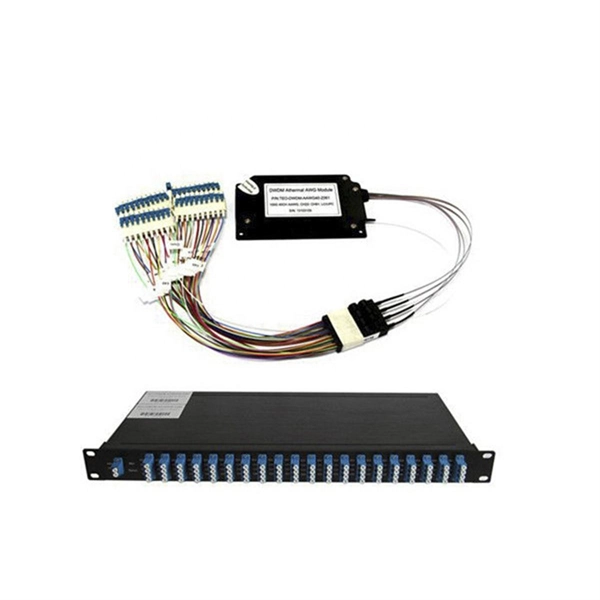
Return Loss of Fiber Optic Circulators
ORL measures the amount of light reflected back toward the source in a fiber optic system— higher ORL (in dB) means less reflection and better performance. Poor ORL is commonly caused by dirty connectors, poor splices, mismatched connector types, or damaged fibers. Fiber...
[PDF Version]
-
Working principle of fiber optic circulators
An optical circulator is a three- or four-port designed such that entering any port exits from the next. This means that if light enters port 1 it is emitted from port 2, but if some of the emitted light is reflected back to the circulator, it does not come out of port 1 but...
-
Are fiber optic circulators useful
Understanding Optical Circulators in Fiber Optic Systems — A What Is an Optical Circulator? An Optical Circulator is a non-reciprocal passive device used i.
[PDF Version]
-
Power of Fiber Optic Acoustic Sensing System
Fiber-optic distributed acoustic sensing (DAS) promises great application prospects in smart grids due to its superior capabilities, including resistance to electromagnetic interference, long-distance coverage, high sensitivity and real-time monitoring. This highly sensitive...
[PDF Version]
-
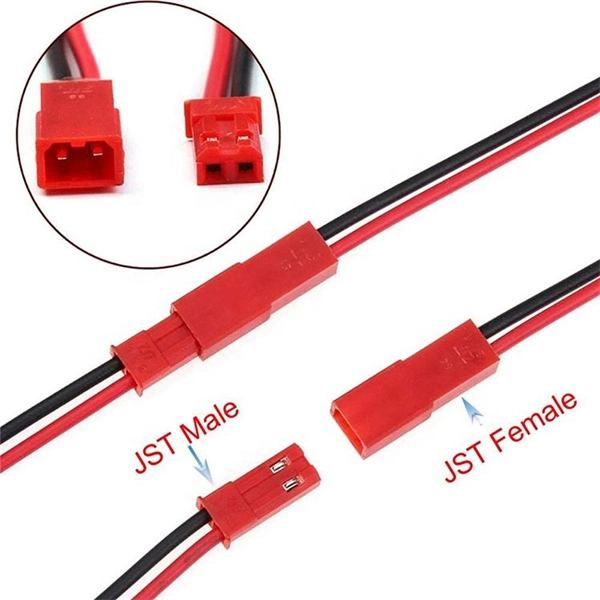
Requirements for outdoor buried fiber optic cables
Recommended technical requirements are detailed by reference to IEC 60794-3-11 on outdoor optical fibre cables for duct, directly buried, and lashed aerial applications. Changes and additions to these requirements suitable to the directly buried cable application are also...
[PDF Version]
-
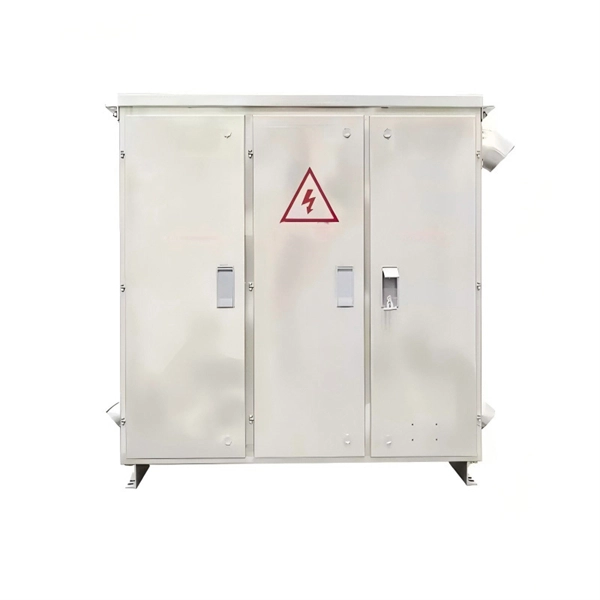
What is the normal attenuation rate of fiber optic pigtails
For single-mode fiber (the type used in long-distance and high-speed networks), typical values under normal conditions are about 0. Under ideal conditions, those numbers drop to around 0. 3-D standard lists specific limits for multimode and single-mode fibres. Q: What is...
-
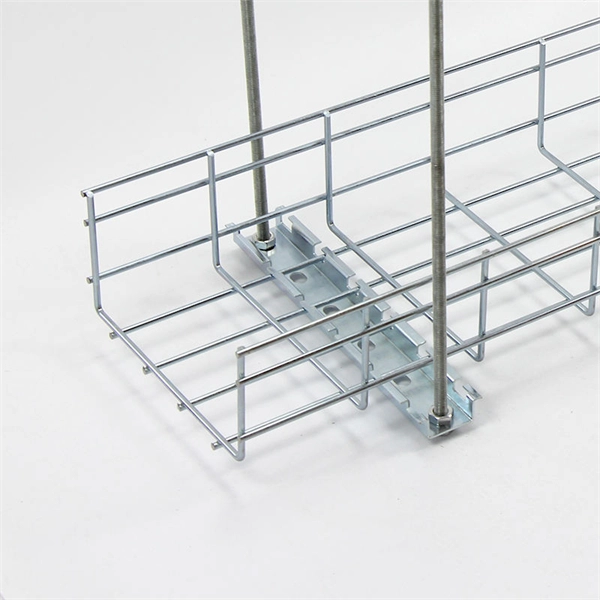
ODF fiber optic patch panel installed in cabinet
The Fiber Optic Patch Panels (ODFs) are connector panels installed into 19“ or 21“ rack cabinets in data centers and server rooms. In the ODFs, fibers are terminated with pigtails and SC, LC. This 2026 expert guide explains the functions, placement, structure, and application...
[PDF Version]
-
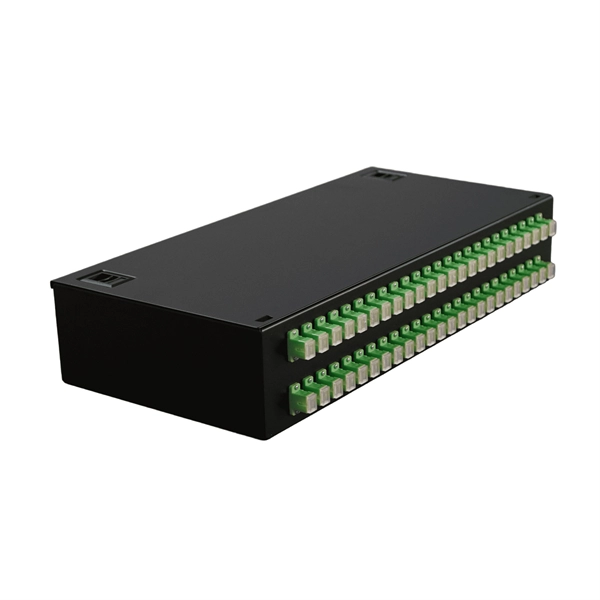
The Role of Scattering-Type Fiber Optic Sensors
Raman scattering, linked to molecular vibrations, forms the backbone of temperature-sensing systems and in-line amplification. Both phenomena are essential in applications ranging from structural health monitoring to high-capacity optical networks. By upscaling the dimension...
-
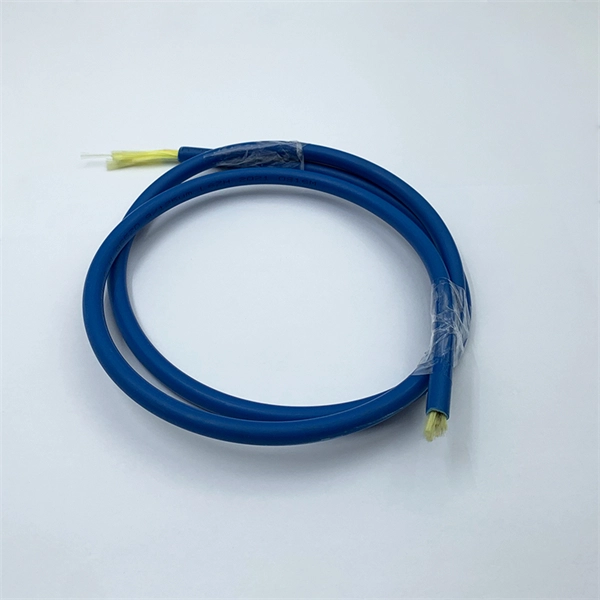
16-core single-mode outdoor fiber optic cable
Discover 16 core fiber optic cable for reliable data transmission. Explore durable, CE-certified solutions with G652D fiber and armored outdoor protection. D compliant low water peak grade and offers OS2 performance and OS1 backwards compatibility. These compact, lightweight...
[PDF Version]