
How can one identify a broken fiber optic cable?
To identify a broken fiber optic cable, start by performing a visual inspection for any physical signs of damage, such as bends, cracks, or breaks...
Search optical fiber, connectivity, cable management and network infrastructure references.
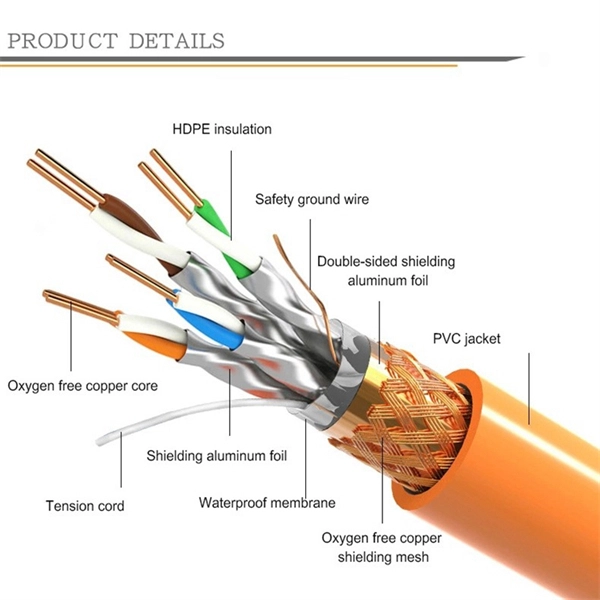
This document presents a troubleshooting guide for fiber optic cables once deployed and in regular use. It also includes a list of common fault location items. Maintenance personnel can refer to this docume.
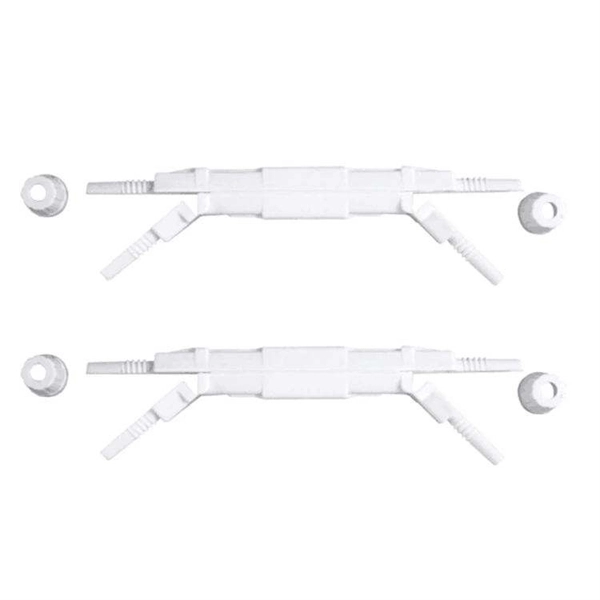
Fiber Optic Troubleshooting: Expert Guide for Common Fiber optic troubleshooting is an essential skill for network administrators, technicians, and enginee.
[PDF Version]To identify a broken fiber optic cable, start by performing a visual inspection for any physical signs of damage, such as bends, cracks, or breaks...
There are several methods to test fiber optic cables without a tester. One method is using a visual fault locator (VFL), as mentioned earlier, to v...
Intermittent fiber optic connections can be caused by a variety of factors, including: Poorly terminated connectors or splices that result in unsta...
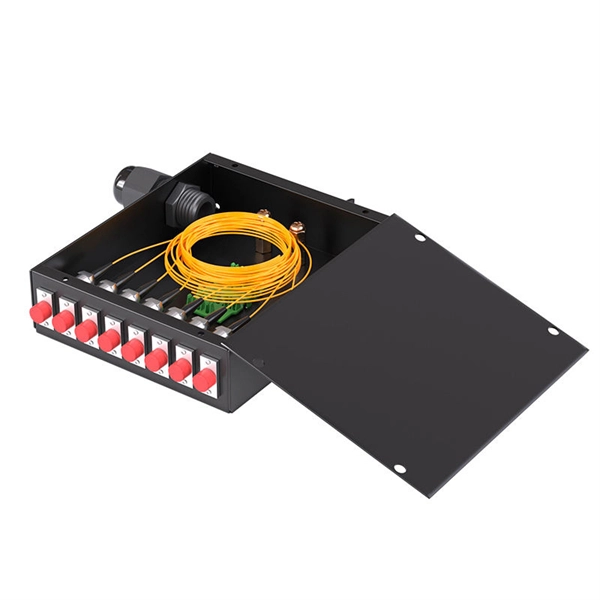
Whether installing or troubleshooting, the Visual Fault Locator (VFL) is an essential tool that quickly and easily locates problem areas in fiber cables. In today's fast-paced workplace maximizing productivity is essential. A clip-on identifier is not strictly a fault...
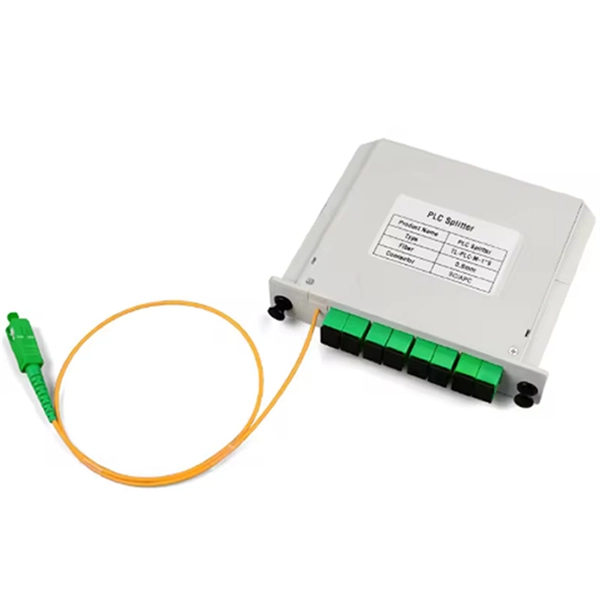
Guidelines Corning Recommended Fiber Optic Testimportant. The OTDR trace can be used for cable acceptance, splice and connector loss, documentation, troubl.
[PDF Version]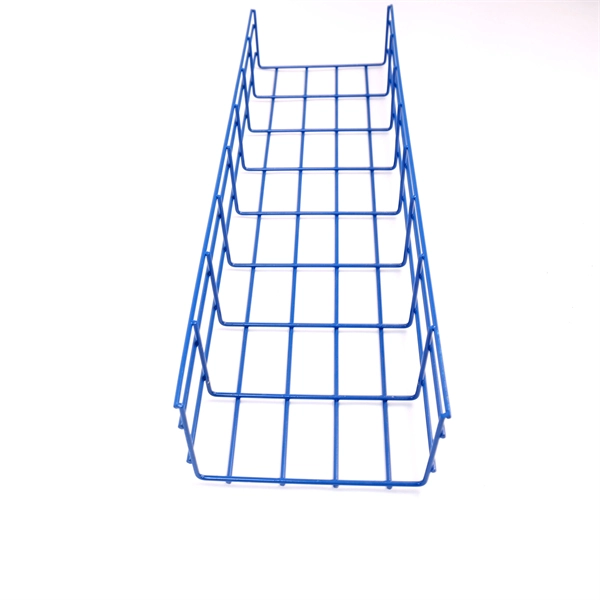
The contractor is requested to stop the works immediately and report the issue through our contact form, or contact BNET' Network Emergency Response Center on 17175757. Still need more information? Head to our FAQs or Contact us to further assist you!Is your home Fiber ready?...
[PDF Version]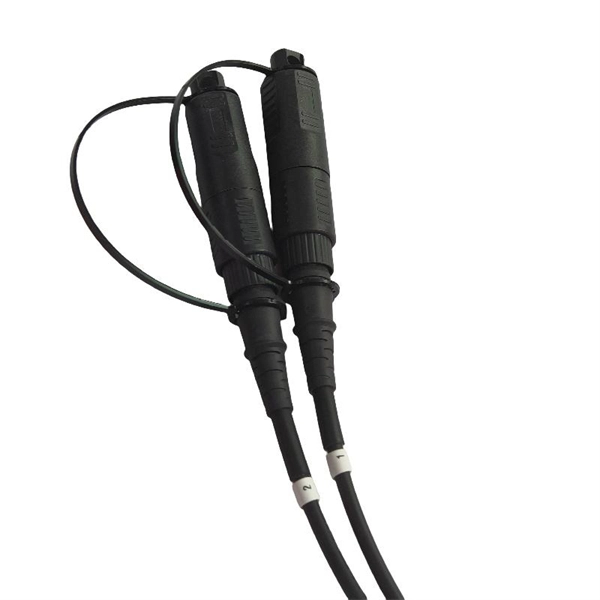
Fiber-optic distributed acoustic sensing (DAS) promises great application prospects in smart grids due to its superior capabilities, including resistance to electromagnetic interference, long-distance coverage, high sensitivity and real-time monitoring. This highly sensitive...
[PDF Version]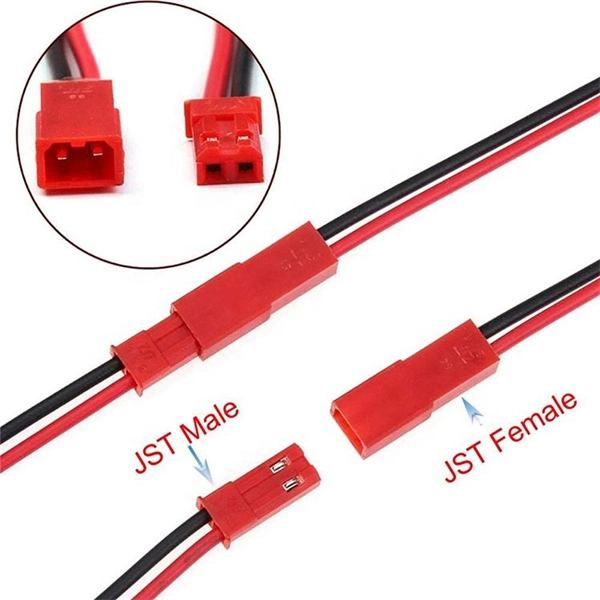
Recommended technical requirements are detailed by reference to IEC 60794-3-11 on outdoor optical fibre cables for duct, directly buried, and lashed aerial applications. Changes and additions to these requirements suitable to the directly buried cable application are also...
[PDF Version]Share the fiber interfaces, termination capacity, cable route and evidence required for handover.