
Technical notes
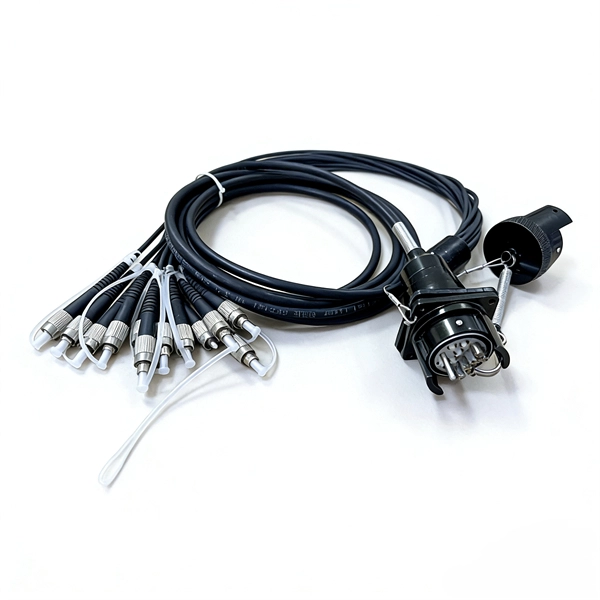
Fiber Flanges/Adapters-JCOPTIX MALL
These flanges enable conversion between fiber optics and standard SM1 threaded components. It can achieve conversion between fiber optics and standard SM1 threaded components, and can be used
Fusion Splice-On Fiber Optic Connectors
Splice-on connectors can be used for initial installation of fiber links, MAC work, or repairs to existing links to minimize downtime. Fusion splice connectors also allow for higher performance links through
FO Splice Boxes in Stainless Steel with Return Flange
All product-related documents, such as certificates, declarations of conformity, etc., which were issued prior to the conversion under the name Pepperl+Fuchs GmbH
Fusion Splicing of Fibers – electric discharge, fusion
Fusion splicing of fibers is a technique of making low-loss fiber joints by fusing fiber endfaces together. It is widely used in fiber optics.
Fiber Optic Splice Module
The FOSM is an upgrade component for all Panduit rack mount fiber enclosures. It is ideal for splicing OS2, OM1, OM2 and OM3/OM4/OM5 iber to factory-terminated pigtails and is suitable for
How Do You Splice Fiber with a Fusion Splicer?
In this video and step by step tutorial, we take you through the basic steps on how to fusion splice pigtails using a fusion splicer.
Fusion Splice-On Connectors
Belden''s FiberExpress (FX) Fusion Splice-On Connectors support high-speed transmission, eliminate splice trays and enclosures and enable exact-length
FASTSPLICE™ Fusion Splice-On Fiber Connectors
Used with Leviton cabling and connectivity, FASTSPLICE fiber connectors create a complete fiber channel solution and include a Leviton system warranty on certified projects.
Fusion-splice basics
Fusion splicing is used for joining cables during network installation projects, repairing cables, mounting pre-polished splice-on connectors, and
Fusion Splice-On Connectors
Belden''s FiberExpress (FX) Fusion Splice-On Connectors enable splice-on technology. They combine the benefits of fusion splicing with the simplicity of a
The Ultimate Guide to Splicing of Fiber: Techniques and Tips
Looking to understand fiber splicing? It''s the process of joining two fiber optic cables using techniques such as fusion splicing and mechanical splicing, crucial for maintaining
Fiber Optic Vacuum Sealed Flange
The OFSCN® Fiber Optic Vacuum Sealed Flange is a high-performance fiber optic connection solution designed specifically for vacuum environments. It utilizes advanced sealing
A complete guide to fiber optic fusion splicing from start to finish
Prior to cleaving the fiber you must be sure to clean the stripped fiber with isopropyl alcohol or a similar fiber optic cleaning solution. You are now ready to join the fiber together with the fusion
Fusion Splice-On Fiber Optic Connectors
Fusion splice connectors also allow for higher performance links through lower insertion loss and higher return loss characteristics. Splice-on connectors require less space for management like splice
Fiber Optic Splicing Tutorial, Fusion Fiber Splicing
Fusion fiber optic splicing is to use high temperature heat generated by electric arc and fuse two glass fibers together by using a fusion splicing machine.
Fiber Optic Splicing: A Beginner''s Guide
Fiber optic splicing joins two fiber optic cables end to end seamlessly to create a continuous path for light signal, including mechanical and fusion splicing.
Ultimate Guide to Using a Fusion Splicer for Fiber Optic
Learn how to use a fusion splicer for fiber optic cable with our ultimate guide. We cover everything from the basics to advanced techniques with popular
Mechanical vs. Fusion Splicing: Which Is Right for You?
Comparing mechanical and fusion splicing for fiber optic cabling: costs, performance, and more. Discover the right splicing technique for your project needs with this informative guide from
Related Video Reference
This video was associated with the source search result. Verify technical details against current product documentation and project requirements.