
Technical notes
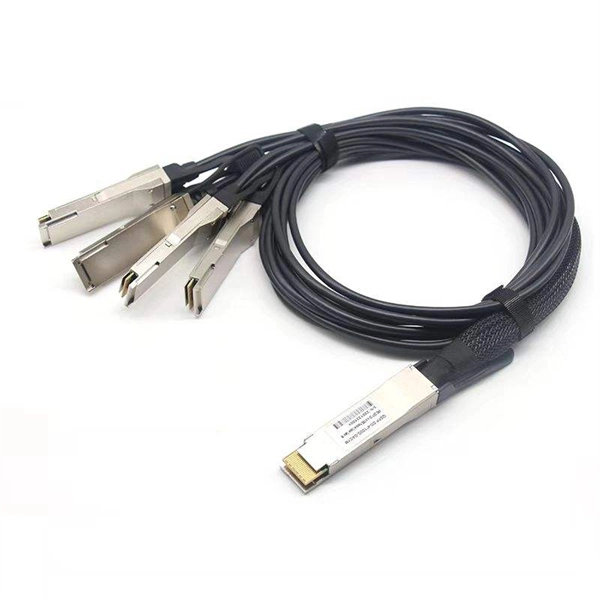
How Do Fiber Optics Work? Light Transmission Explained
How do fiber optics work? Learn how total internal reflection guides light through fibers, understand fiber optic communication, and see examples.
The FOA Reference For Fiber Optics
Optical fiber uses the optical principle of "total internal reflection" to capture the light transmitted in an optical fiber and confine the light to the core of the fiber.
Fiber Optic Cable and Light Transmission Explained
Fiber optics refers to the technology that uses thin strands of glass or plastic to convey data in the form of light. The core of a fiber optic cable is surrounded by a
Optical fiber
Extrinsic fiber optic sensors use an optical fiber cable, normally a multi-mode one, to transmit modulated light from either a non-fiber optical sensor—or an electronic
How Fiber Transmission Works: From Light to Data
Fiber optic transmission sends information as pulses of light through a thin strand of material, most often glass or plastic. This method of data transfer has become the foundation for
Fiber Optic Communication: How Light Carries Data
Discover how fiber optic cables use total internal reflection to transmit data at light speed. Learn about their core and cladding structure, single‑mode
Principles of Optical Fiber Communications
The basic components are light signal transmitter, the optical fiber, and the photo detecting receiver. The additional elements such as fiber and cable splicers and connectors, regenerators, beam splitters,
How does fiber optics work?
Light travels down a fiber-optic cable by bouncing repeatedly off the walls. Each tiny photon (particle of light) bounces down the pipe like a bobsleigh
Principles of Transmission in Fiber Optic Cables
To understand how fiber optics work, it''s crucial to examine the key components of the transmission process, including the structure of the cables,
Passive optical network
Passive optical network A fiber optic cable assembly with SC APC connectors, as commonly used to link optical network terminals to passive optical networks A
Optical Fiber Structures and Light Guiding Principles
Fiber optics technology involves the emission, transmission, and detection of light, so the discussion first considers the nature of light and then reviews a few basic laws and definitions of optics. Following a
Multifunctional applications of meta-fiber: A review
Beam deflectors in fiber-optic communication systems can enable spatial routing of optical signals by redirecting light into designated fibers within multi-core arrays, thereby supporting high
How does fiber optics work?
An easy-to-understand introduction to fiber optics (fibre optics), the different kinds of fiber optic cables, and how light travels down them.
How do Fiber Optic Cables Transmit Data, and How
Discover the science of fiber optic data transmission with Phoenix Communications in Shrewsbury, MA. Learn how light signals power fast, reliable
Fiber Optic Cable and Light Transmission Explained
Intro Fiber optics has revolutionized the way we transmit data. This technology relies on the transmission of light through thin strands of glass or plastic, allowing for
Chapter 2: Principles of Fiber Optic Transmission | GlobalSpec
Like Bell''s photophone, the purpose of fiber optics is to convert a signal to light, move the light over distance, and then reconstruct the original signal from the light. Learn more about Chapter 2:
Fiber Optics: Understanding the Basics
Optical fiber s are made from either glass or plastic. Most are roughly the diameter of a human hair, and they may be many miles long. Light is transmitted along the
How Do Fiber Optics Work? Light Transmission Explained
Compare with other media: compare fiber optics with copper wires and wireless communication, understanding advantages of fiber optic transmission. Study fiber construction:
Related Video Reference
This video was associated with the source search result. Verify technical details against current product documentation and project requirements.