
Technical notes
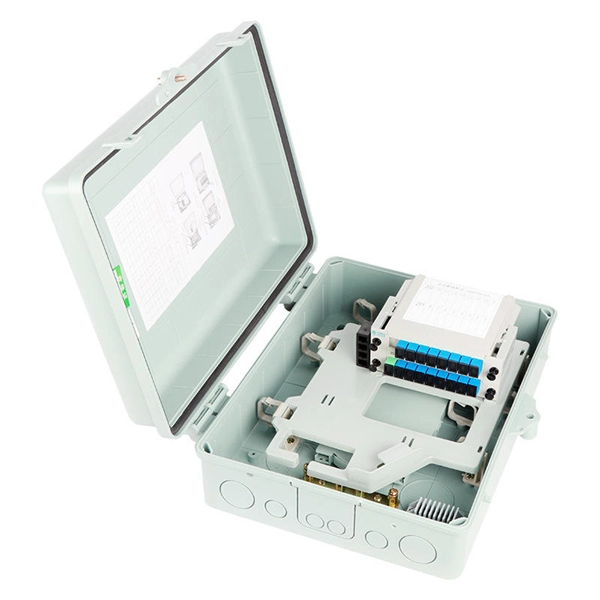
Fiber Optic Patch Panel & ODF | 1U/2U/4U Rack & Wall
Ready to upgrade your infrastructure? Browse our full range of Rack Mount and Wall Mount Patch Panels or contact our engineering team for a
Fiber Patch Panel vs ODF (2026 Guide) – Differences
Learn differences between fiber patch panels and ODF. Covers topology placement, splicing, MPO/MTP, OS2/OM4, density, best practices, and FAQ for networks.
Optical Distribution Frames/Patch Panel
An optical Distribution Frame (ODF) or patch panel is the starting point for optical cables, most commonly found in rack cabinets in Head End (HE)/Central Office (CO)/Point of Presence
Optical Distribution Frame (ODF): The Complete Guide for Fiber
Comprehensive guide to Optical Distribution Frames (ODF) for data centers. Learn ODF types, installation best practices, fiber management, patch panels, MPO/MTP solutions, and high
ODF vs. Fiber Patch Panel: Key Differences Explained
Discover the key differences between ODF and fiber patch panels to build efficient, scalable, and well-managed fiber optic networks.
How to install an optical distribution frame step by step?
You''ll need an ODF rack, some installation tools such as a Wrench, sleeve, and screwdriver, fiber optic cleaning supplies such as alcohol wipes and non-woven fabrics, patch cord
Installation of ODF || Optical Fiber patch panel
In this video, we take you through the step-by-step installation of Optical Distribution Frames (ODF) and Optical Fiber Patch Panels—key components in setting up a robust fiber...
Fiber Patch Panel vs ODF – Key Differences & Guide
Compare Fiber Patch Panel and ODF for smarter fiber network design. Learn functions, capacity, and when to choose each for optimal
How to Install Fiber Optic Patch Panel
Only by taking the proper steps can achieve a reliable network. This blog will introduce how to Install Fiber Optic Patch Panel.
Fiber Patch Panel vs ODF : What''s the Differences
When setting up a fiber optic network, two critical pieces of equipment come into consideration: the fiber patch panel and the optical distribution frame (ODF). While these
Fiber Optic Patch Panels for Flexible and Scalable
Discover high-quality fiber optic patch panels from Foss – designed for flexibility, scalability, and easy installation in data centers and communication networks.
What is an Optical Distribution Frame?
Learn everything about Optical Distribution Frames (ODF), including their structure, types, features, installation, and differences from patch panels.
Fiber Optic Patch Panel – How to Choose and How to Install
Wall Mount Fiber Optic Patch Panel Fiber patch panels can accommodate fiber adapter panels (also called connector panels), associated trunk cables, connectors, patch cords, and usually include
Fiber Patch Panels: A Beginner''s Guide | RLH Industries, Inc.
Fiber optic patch panels are enclosures that act as a distribution hub for fiber cable. A bulk (multi-strand) fiber cable enters the patch panel and then each fiber strand is separated into individual strands or
What is a fiber optic patch panel?
19″ fiber optic patch panel, also called as optical distribution frame (ODF), is made for Splicing and distribution of fiber optic cables, using fiber optic adapters. The box body is made of
How to install a 12 Port Rack Mount Fiber Optic Patch Panel | ODF
#odf #patchpanel #opticalframe #fiber #opticalfiber Hello Friend you all know fiber optic patch panel cabling solution is good for easy cable management.An o...
Optical Distribution Frame (ODF) in Telecom: Types & Uses
Enter the Optical Distribution Frame (ODF)—a foundational component that serves as the “nerve center” for fiber optic management, enabling seamless connectivity, efficient maintenance,
What Are the Best Practices for Fiber Patch Panel Installation?
Cable ties can deform the cable jacket and degrade signal strength. Secure fiber cables to provide strain relief. Label each fiber cable with to/from destination for ease of future service and troubleshooting.
Related Video Reference
This video was associated with the source search result. Verify technical details against current product documentation and project requirements.