
Technical notes
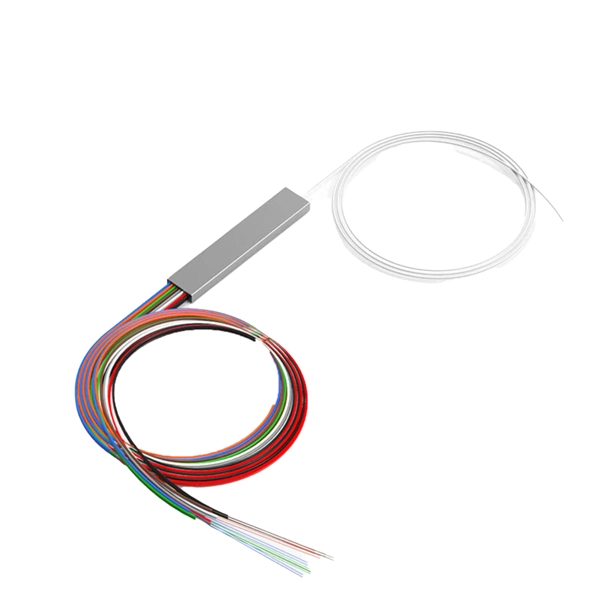
Fiber Optic Pigtail: The Complete Guide to Types,
Confused about fiber optic pigtails—which connector type, which polish, fusion or mechanical splice? Our guide covers LC vs SC, APC vs UPC,
Fiber Optic Pigtails: Uses & Differences from Patch Cords
Understand fiber optic pigtails — definition, types, and how they differ from patch cords. Learn why pigtails ensure reliable, low-loss fiber terminations.
How to Splice Fiber Optic Pigtails: A Step-by-Step Guide
Master the art of fiber termination. Learn how to splice fiber optic pigtails using fusion splicing, follow the color code, and ensure low insertion loss.
Fiber Optic Pigtail: Types, Splicing Guide, Specs & Price
Fiber optic pigtail guide : SC/APC & LC/UPC connectors, 0.9/2.0/3.0 mm buffers, single-mode and multimode types, fusion splicing steps, price ranges, specifications, and how to
What Is a Fiber Optic Pigtail? Full Guide to Pigtail Fiber
Comprehensive guide to fiber optic pigtails: Explore types, pigtail connectors, fiber counts, and applications for FTTH, data centers, industrial
Fiber cable termination
Fiber Optic cable termination is the addition of connectors to each optical fiber in a cable. The fibers need to have connectors fitted before they can attach to other equipment. Two common solutions for
The Complete Guide to Pigtail Fibers: Simplifying
IntroductionIn the world of fiber optics, where speed and precision reign supreme, pigtail fibers are the unsung heroes bridging the gap between
Comprehensive Guide to Fiber Optic Pigtails | Gezhi Photonics
Dive into the world of fiber optic pigtails, their types, applications, and splicing methods. Enhance your network''s performance with Gezhi Photonics. Keywords: Fiber Optic Pigtails, Fiber
Fiber Optic Pigtail: What Is It and How to Classify It?
In fiber optic cable installation, how cables are attached to the system is vital to the success of network. If done properly, optical signals would pass through the link with low attenuation
Understanding Fiber Pigtail Connectors: Types, Installation, Advantages
Unlike traditional copper cables, fiber optic connections facilitated by fiber pigtail connectors experience minimal signal loss, resulting in superior data transmission capabilities. This
Fiber Optic Pigtail: What Is It and How to Splice It?
Fiber optic pigtails are essential components in fiber optic installations, used to connect fiber optic cables to devices or equipment. They provide a
Fiber Optic Pigtail: The Backbone of Your Network
The Fiber Optic Pigtail is a foundational component in modern telecommunications, serving as the critical link for terminating fiber optic cables.
What Is A Fiber Optic Pigtail
Whether you''re terminating a 288-fiber feeder cable in a manhole, connecting splitters in an MDU riser, or building out a hyperscale data center
Understanding Fiber Optic Pigtails: Types and Classifications Simplified
Fiber Optic Pigtails are favored for their low insertion loss, high return loss, good interchangeability, and repeatability, making them very convenient to use. In general, multimode
How to choose fiber optic pigtails?
Splicing of pigtails to each fiber in the trunk "breaks out" the multi-fiber cable into its component fibers for connection to the end equipment. High quality fiber pigtails combined with correct fusion splicing
What is Fiber Pigtail? A Complete Guide for Beginners
A fiber pigtail is typically a fiber optic cable with one end factory pre-terminated fiber connector and the other exposed fiber. It is usually suitable for
Fiber Optic Cable vs Patch Cord vs Pigtail – Complete
Understand the differences between fiber optic cables, patch cords, and pigtails. Learn standards, applications, and how to choose the right fiber
Fiber Optic Pigtail: What Is It and How to Splice It?
They provide a reliable and efficient way to terminate optical fibers and enable seamless connectivity. In this article, we will explore what fiber optic
Related Video Reference
This video was associated with the source search result. Verify technical details against current product documentation and project requirements.