
Technical notes
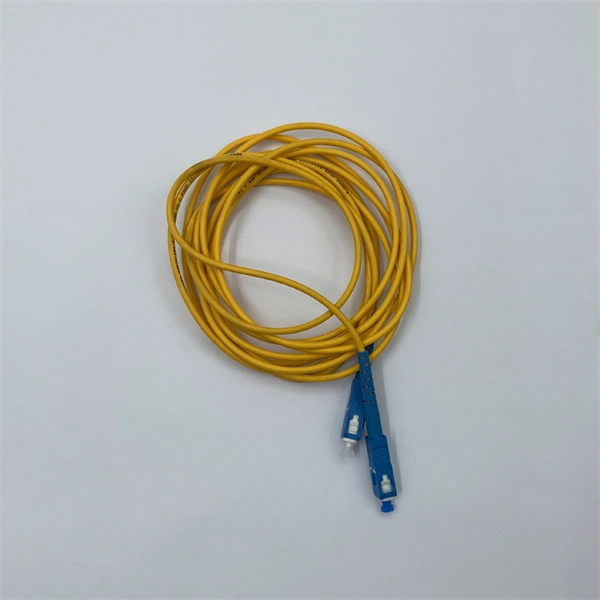
Fiber Optic Pigtail: The Complete Guide to Types,
Confused about fiber optic pigtails—which connector type, which polish, fusion or mechanical splice? Our guide covers LC vs SC, APC vs UPC,
Fiber Optic Pigtail: Types, Splicing Guide, Specs & Price
BWNFiber manufactures and ships fiber optic cable assemblies — including pigtails, patch cords, pre-terminated assemblies, and splitter products — to telecom operators, data centers,
Fiber Patch Cord & Pigtail: Types, Specifications & Selection | Opelink
Introduction This article is a selection guide for Fiber patch cords and pigtails, which systematically introduces the definitions and differences between the two, different application
Understanding Fiber Optic Pigtails: Types and
Optical modules must match the Fiber Optic Pigtails; short-wavelength modules should connect to multimode pigtails, and long-wavelength
Fiber Optic Cable vs Patch Cord vs Pigtail – Complete
Understand the differences between fiber optic cables, patch cords, and pigtails. Learn standards, applications, and how to choose the right fiber
Fiber Optic Pigtails: Uses & Differences from Patch Cords
In this guide, we will break down what fiber optic pigtails are, how they differ from patch cords, what types exist, and how to select the right one for your project.
Fiber Optic Pigtails: What Are They and How Are They Classified?
Optical modules must match the Fiber Optic Pigtails; short-wavelength modules should connect to multimode pigtails, and long-wavelength modules should connect to single-mode patch
Fiber Optic Patch Cords & Pigtails Selection Guide
Learn how to pick the right fiber optic patch cord or pigtail. Avoid installation errors. Based on 12+ years of field experience. Step-by-step guide
Fiber Optic Pigtails: Types, Uses & How to Splice Them
Learn fiber optic pigtails types and uses in plain English. Compare LC, SC, MPO connectors, single-mode vs multimode, and follow our step-by-step splicing guide.
Fiber Optic Pigtails in FTTH & ODN: Selection Guide
Master FTTH & ODN network deployment with our guide on fiber optic pigtails. Learn types, splicing workflows, and why they lower TCO over patch cords.
Comprehensive Guide to Fiber Optic Pigtails | Gezhi Photonics
Dive into the world of fiber optic pigtails, their types, applications, and splicing methods. Enhance your network''s performance with Gezhi Photonics. Keywords: Fiber Optic Pigtails, Fiber
Fiber Optic Pigtails Models and Selection Guide
The choice of these models directly affects the transmission efficiency, stability and reliability of the fiber optic network. Understanding the
How to choose fiber optic pigtails?
Splicing of pigtails to each fiber in the trunk "breaks out" the multi-fiber cable into its component fibers for connection to the end equipment. High quality fiber pigtails
The FOA Reference For Fiber Optics
Fiber optic joints or terminations - where cables are terminated - are made two ways: 1) connectors that mate two fibers to create a temporary joint and/or connect the fiber to a piece of network gear (left) or
What is Fiber Pigtail? A Complete Guide for Beginners
Fiber optic pigtails are mainly for fast fusion splicing applications, while patch cords are for connectivity between optical transceivers, patch panels,
Pigtail Fiber: Essential Component in Modern Fiber Optic Connectivity
Introduction In the rapidly evolving landscape of fiber optic networks, precision and reliability are non-negotiable. Among the critical components enabling seamless optical connectivity,
The Complete Guide to Pigtail Fibers: Simplifying
IntroductionIn the world of fiber optics, where speed and precision reign supreme, pigtail fibers are the unsung heroes bridging the gap between
Modules and panel accessories include patch and splice | AFL Global
Modules and panel accessories include patch and splice modules, adapter plates, pigtail assemblies and fiber management optical cassettes.
Related Video Reference
This video was associated with the source search result. Verify technical details against current product documentation and project requirements.