
Fiber Optic Receiver Types And Their Applications
Search optical fiber, connectivity, cable management and network infrastructure references.
- Fiber
- Optic
- Receiver
Articles and technical references
9 on this page-
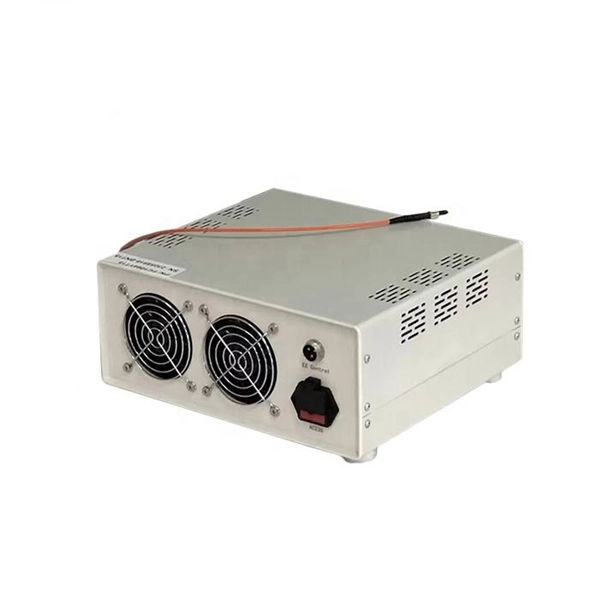
How to connect a fiber optic receiver to a switch
Most modern fiber-enabled network switches require an SFP transceiver module featuring a duplex (two strand) multimode OM3 or duplex single mode OS2 connection with LC connectors. Direct attach cables with pre-terminated SFP connections may also be used. Fiber optic...
[PDF Version]
-
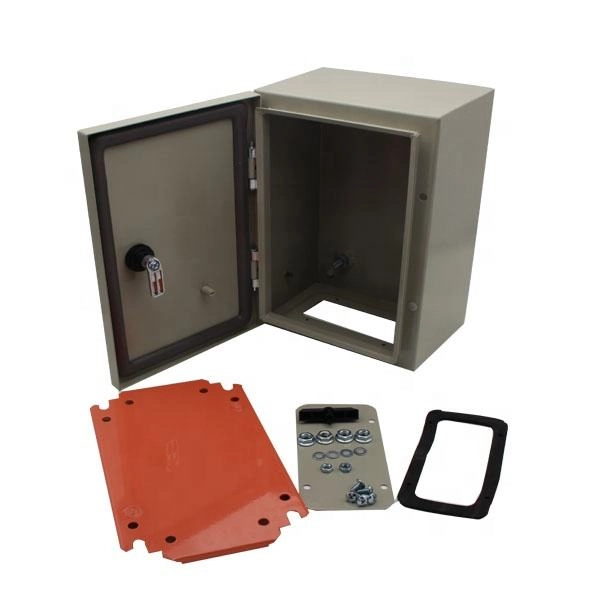
Types of Fiber Optic Flow Sensors
There are several types of fiber optic sensors. Detection methods include thrubeam, reflective, retro-reflective, and definite-reflective. Fiber optic current sensors are revolutionizing the way electrical currents are measured, providing high sensitivity, immunity to...
-
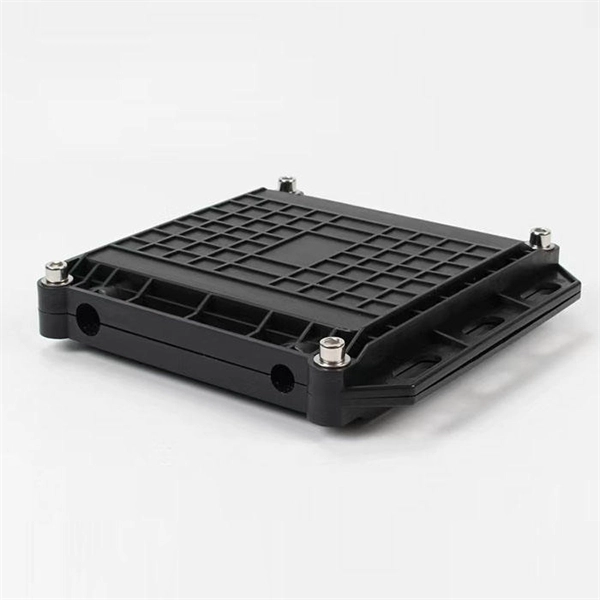
Common types of fiber optic connectors include
Of the more than a dozen types of fibre-optic connectors available, the four most commonly used today are LC, SC, FC, and ST. The fiber connector types, sometimes referred to as terminations, link fiber optic cables together through terminals, switches, adapters, and patch...
[PDF Version]
-
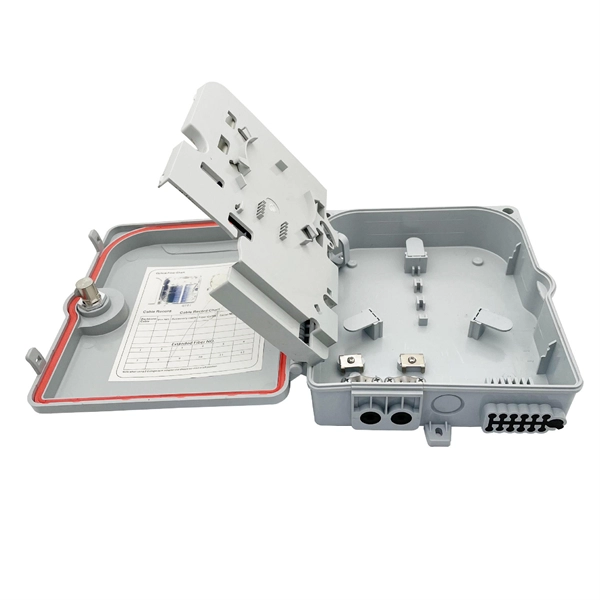
Malawi stable fiber optic patch cord types
The most common types are: Small Form Factor (SFF), push-pull mechanism. Highly popular in data centers for high-density installations. It is composed of fiber optic cable and fiber connector that fixed at both ends of optical cable, has been widely used in various fields...
[PDF Version]
-
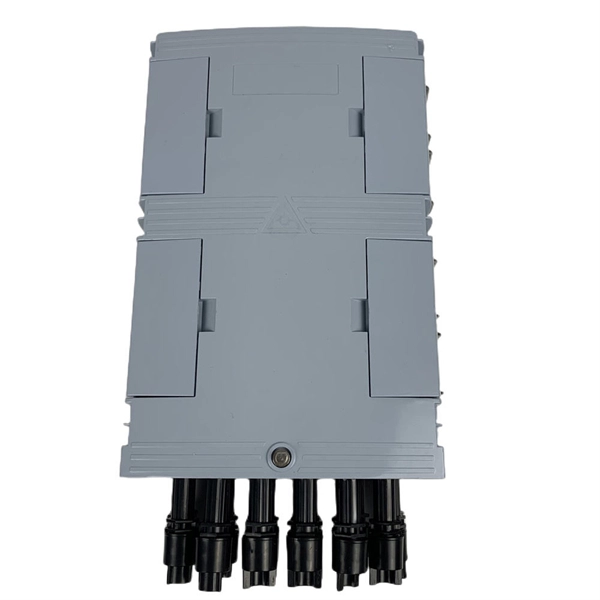
Is a fiber optic transceiver the same as an optical receiver
These are a small device that uses fibre optic technology to transmit and receive data. It takes electrical signals from a computer, switch, or router and turns them into light signals. Then the light travels through the fiber to a receiver at the other end, which changes the...
-

Fiber optic patch panel interface types
Fiber patch panel types are categorized by their installation location. It acts as a hub for organizing splices and patch cords, streamlining fiber management and preserving signal integrity. Generally used on the ODF side (the most used on the patch panel). (2) ST connector...
[PDF Version]
-
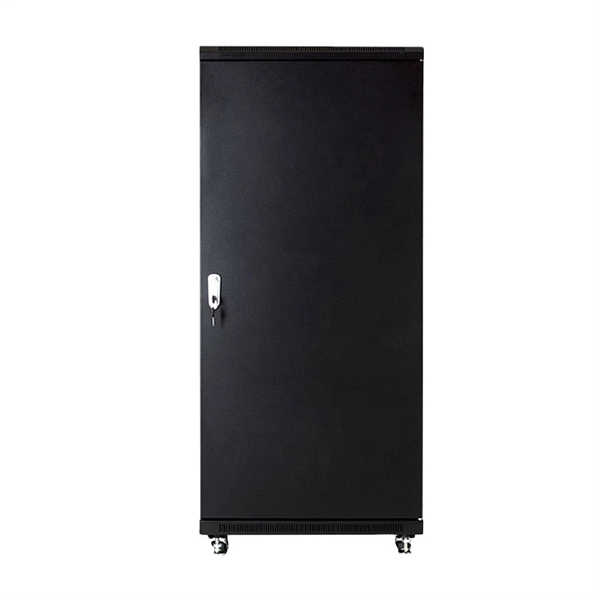
Optical Receiver Module Fiber Optic Array
Fiber-Coupled Optical Receiver Modules are ideal for use in biomedical optical sensor systems or for industrial and telecommunication sensing applications. 1 While each RXM Series model is designed and intended for operation over the specified wavelength range shown by the...
[PDF Version]
-
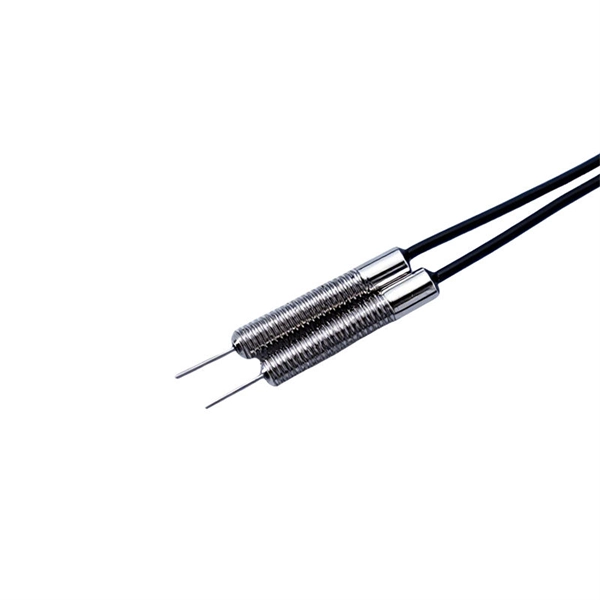
Types of 3m fiber optic cable splice closures
Fiber splice closures protect fiber optic cables from damage and ensure stable network performance in various environments. Designed for easy installation and multi need to carry inventory of diferent evolving fiber optic networks with modular solutions. This guide explains...
-
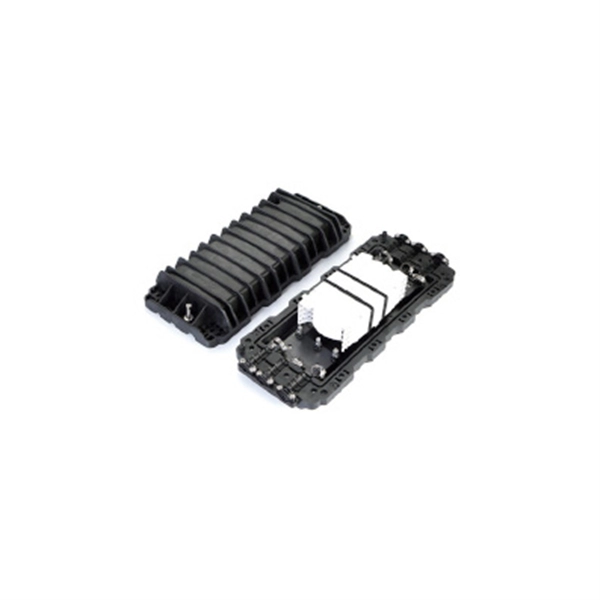
Types of Fiber Optic Terminal Cold Connectors
Of the more than a dozen types of fibre-optic connectors available, the four most commonly used today are LC, SC, FC, and ST. Unlike fiber splicing, which is permanent, connectors allow for easy connection and disconnection of cables, making them ideal for maintenance and...
[PDF Version]