
Fiber Optic Sensors
Search optical fiber, connectivity, cable management and network infrastructure references.
- Fiber
- Optic
- Sensors
Articles and technical references
9 on this page-
The Role of Scattering-Type Fiber Optic Sensors
Raman scattering, linked to molecular vibrations, forms the backbone of temperature-sensing systems and in-line amplification. Both phenomena are essential in applications ranging from structural health monitoring to high-capacity optical networks. By upscaling the dimension...
-
Applications of Fiber Optic Sensors in Automation
Fiber optic sensors play a key role in developing the communication system to sense & measure the change within phase, data transmission rate, wavelength, intensity, noise, uneven environmental conditions, extreme heat, high vibration, etc. This article explores the different...
[PDF Version]
-
Principle of Polarization Modulation in Fiber Optic Sensors
Polarization Modulation is a crucial technique in the realm of optical sensors, enhancing their accuracy and sensitivity. Polarization scramblers are devices which are widely used to reduce or eliminate the degree of polarization of a light beam — that is, to convert...
[PDF Version]
-
What are mechanical fiber optic sensors
Fiber-optic sensors (also called optical fiber sensors) are fiber -based optical sensors for some quantity, typically temperature or mechanical strain, but sometimes also displacements, vibrations, pressure, acceleration, rotations (measured with optical gyroscopes...
[PDF Version]
-
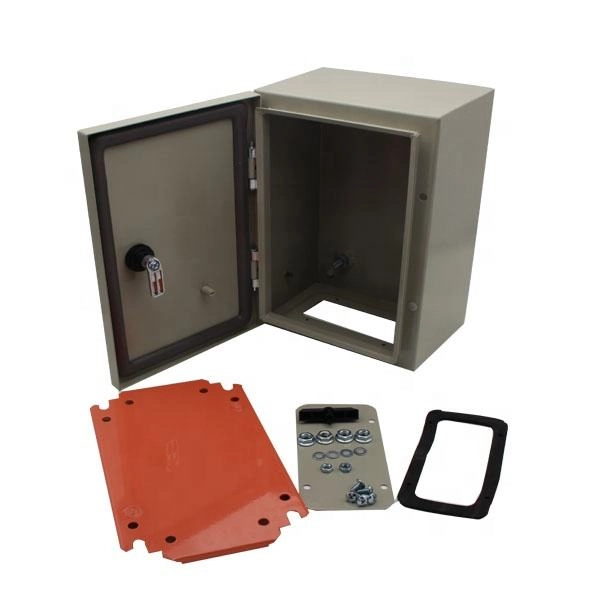
Types of Fiber Optic Flow Sensors
There are several types of fiber optic sensors. Detection methods include thrubeam, reflective, retro-reflective, and definite-reflective. Fiber optic current sensors are revolutionizing the way electrical currents are measured, providing high sensitivity, immunity to...
-
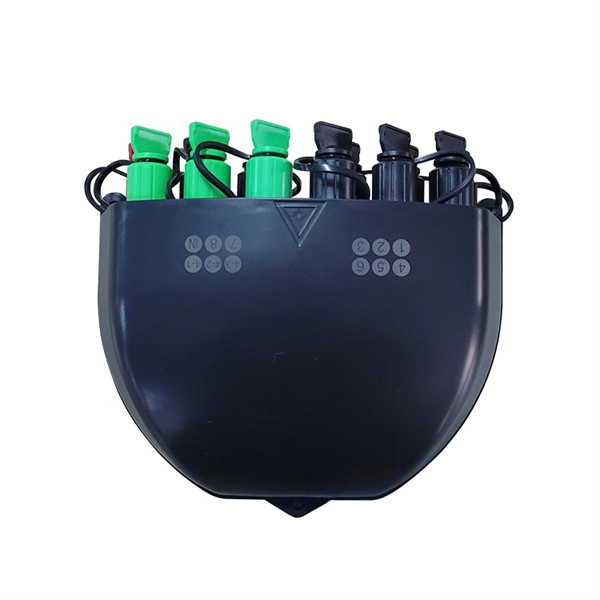
The Role of Liquid Fiber Optic Sensors
Fiber optic liquid level sensor s have revolutionized various industries by offering high-speed and accurate measurements, especially in challenging environments. These sensors rely on the principles of light reflection and refraction to detect changes in the liquid level...
-
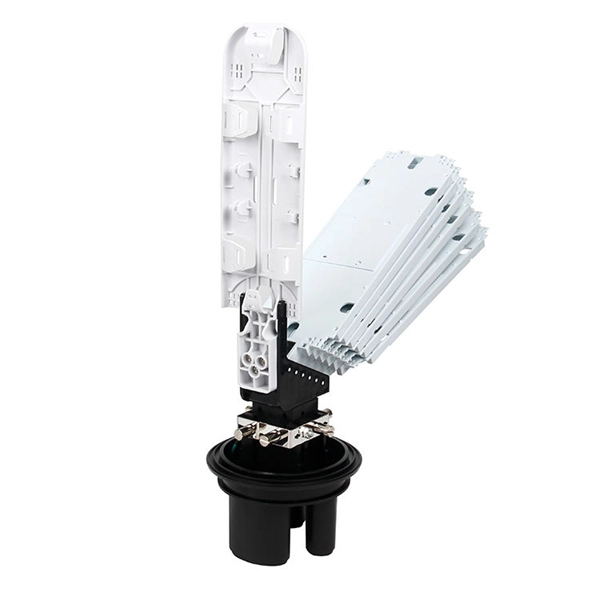
Fiber optic sensors utilize the refraction of light
Optical fibers are thin glass rods that use the properties of light reflection and refraction to transmit data over long distances. They actively shuttle data encoded in pulsing light across vast distances using only subtle differences in materials. Detection in Narrow...
[PDF Version]
-
Are threaded fiber optic sensors any good
These sensors have unique benefits like small size, high sensitivity, resistance to electromagnetic interference & radio frequency interference, robustness, lightweight, flexibility & the ability to provide distributed or multiplexed sensing. Easily integrated into a wide...
[PDF Version]
-
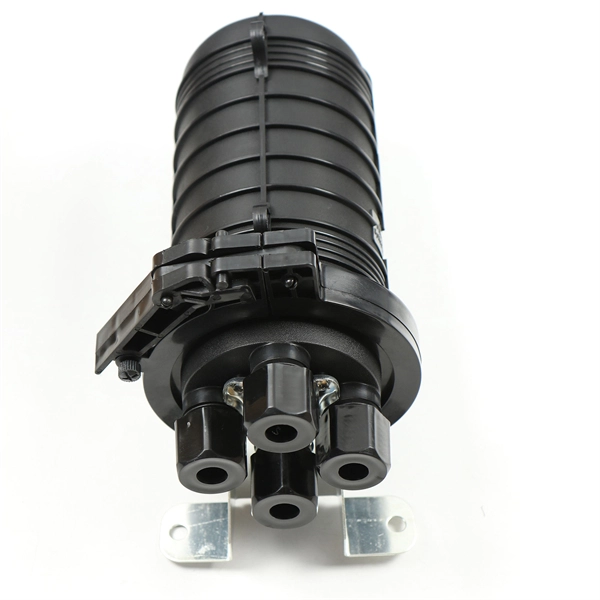
Light Sensors and Fiber Optic Sensors
Extrinsic fiber-optic sensors use an, normally a one, to transmit light from either a non-fiber optical sensor, or an electronic sensor connected to an optical transmitter. A major benefit of extrinsic sensors is their ability to reach places which are otherwise inaccessible...